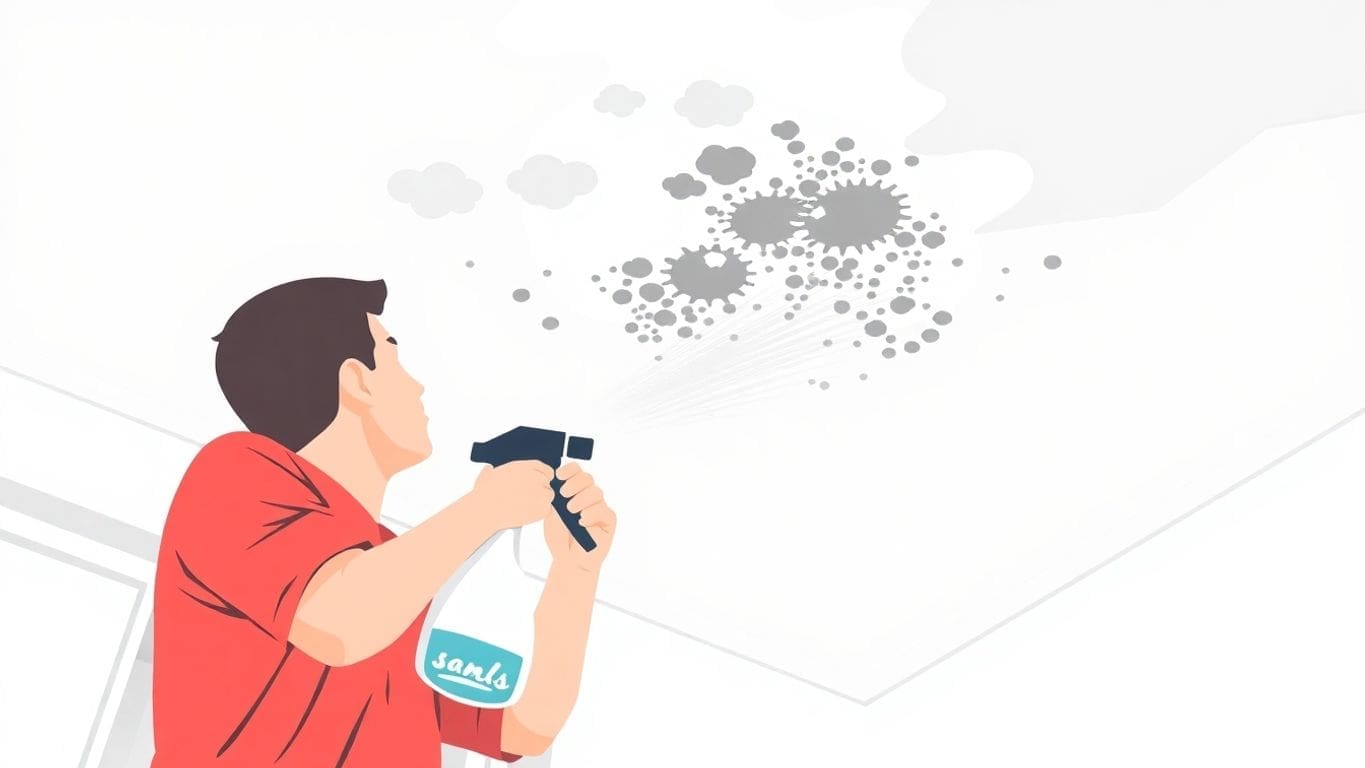
Effective Methods on How to Remove Mold from Drywall Ceiling Safely and Easily
Mold on your drywall ceiling can be a real headache. Not only does it look bad, but it can also…



Ever noticed those annoying bubbles on your walls and wondered how they got there? It’s not just a bad paint job. Water damage is often the sneaky culprit behind those unsightly bubbles. In this article, we’ll dig into how water damage causes paint to bubble and what you can do to prevent it. From leaky roofs to poor ventilation, we’ll cover the common causes and offer some practical solutions. Whether you’re dealing with a small patch or a whole wall, understanding the issue is the first step to fixing it.
Paint is not just a color on your walls. It’s made up of different ingredients like pigments, binders, and solvents. Pigments give paint its color. Binders help the paint stick to the wall. Solvents make the paint spread easily. When paint dries, the solvent evaporates, leaving a solid film. This film is what you see as the paint on your wall.
Water can sneak into the paint layers in a few ways. It might come from a leaky roof or a spill. When water gets under the paint, it can cause the paint to lift or bubble. This happens because the water breaks the bond between the paint and the wall. Think of it like peeling a sticker off a surface. The paint loses its grip and starts to bubble up.
Humidity is the amount of moisture in the air. When the air is humid, there’s more water around. This extra moisture can get into the paint. If your home is too humid, the paint might not dry properly. This can lead to bubbling. Here are some ways to control humidity:
If you notice bubbles in your paint, it might be a sign that there’s too much moisture in your home. Controlling humidity can help prevent this problem.
When your roof leaks, water can sneak into your home and mess up your walls. This water can make your paint bubble up, creating ugly spots. A leaky roof might not seem like a big deal at first, but over time, it can cause a lot of problems. You might notice stains on the ceiling before the paint starts to bubble. Keeping your roof in good shape is super important to stop this from happening.
Plumbing problems, like a burst pipe or a leaky faucet, can lead to water damage in your home. When water gets into the walls, it can cause the paint to bubble. Fixing plumbing issues quickly can save your paint from bubbling and your home from bigger problems. If you see any signs of water damage, like peeling paint or damp spots, it’s time to check your pipes.
Humidity can be a real problem for your paint. When there’s too much moisture in the air and not enough ventilation, your paint can start bubbling. Poor ventilation in places like bathrooms or kitchens can trap moisture, leading to bubbling paint. Using fans or opening windows can help keep the air moving and reduce the risk of bubbling.
Spotting the early signs of water damage can save you a lot of trouble down the road. Look for paint that appears to be lifting or forming blisters on the surface. These bubbles are often a clear sign that water has seeped behind the paint. You might also notice peeling or cracking, which can indicate moisture problems.
Sometimes, water damage isn’t visible right away. That’s where moisture meters come in handy. These tools measure the amount of moisture in your walls. If you suspect water damage but can’t see it, a moisture meter can help confirm your suspicions. They’re easy to use and can give you peace of mind.
Regular home inspections are key to catching water damage early. By checking your home regularly, you can spot issues before they become major problems. Inspect areas around windows, doors, and plumbing fixtures. A small leak can lead to big issues if not caught in time.
Regular checks for moisture, especially around plumbing and appliances, can prevent severe damage. Installing insulation and automatic shutoff valves can help mitigate risks. Mold growth poses health risks, making prompt detection and repair essential for maintaining a safe living environment.
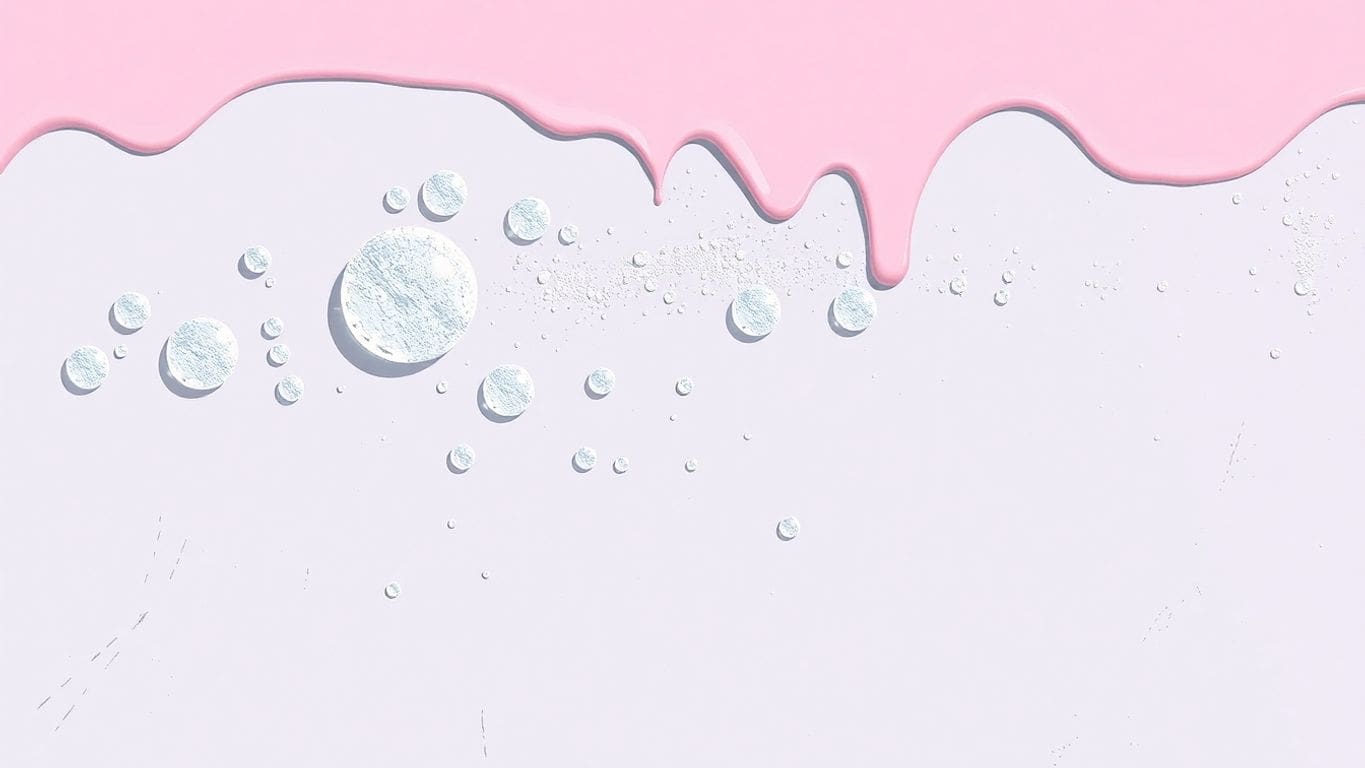
Water damage can make paint bubble, and it all starts with water sneaking through the paint layers. Imagine you have a wall with paint on it. If water finds a way in, maybe through a crack or a leaky spot, it gets trapped between the paint and the wall. This trapped water has nowhere to go, so it pushes against the paint, making it bubble up. Think of it like blowing a balloon under a blanket. The blanket rises because of the air, just like the paint bubbles because of the water.
Not all paints are the same when it comes to bubbling. Some paints are more likely to bubble when they get wet. This can happen if the paint is not meant for areas with a lot of moisture. For example, using regular paint in a bathroom can be a mistake. Bathrooms are humid, and humidity can make the paint bubble. Also, if the paint was applied in a hurry or on a dirty surface, it might not stick well. A paint that doesn’t stick well gives water an easy way to sneak in.
Water quality can also play a role in paint bubbling. Hard water, which has a lot of minerals, can leave behind a residue when it dries. This residue can weaken the paint, making it easier for water to get in and cause bubbling. On the other hand, soft water can sometimes make paint peel because it doesn’t rinse away soap well. So, the type of water that comes into contact with your paint matters.
Keeping an eye on water damage is key to preventing paint bubbling. Regular checks and using the right paint for the right area can save you a lot of trouble. Remember, a little attention now can prevent big headaches later.
Keeping your home dry is key to protecting your paint. Start by checking for leaks. Inspect roofs and gutters regularly. Seal any gaps you find. You might want to use waterproof paint in areas that get wet often, like bathrooms or kitchens. Also, think about using dehumidifiers. They can help keep the humidity below 60%, which is good for your paint.
Picking the right paint can make a big difference. Look for paints labeled as water-resistant or waterproof. These are made to handle moisture better. In areas like bathrooms or basements, these paints can help stop bubbling before it starts. You can also use a primer. This is a special undercoat that helps the paint stick better and last longer.
Taking care of your home can prevent a lot of problems. Here are a few tips:
Remember, a little maintenance now can save a lot of trouble later. Keeping your home dry and well-maintained not only protects your paint but also your whole house. Regular checks and quick fixes can make a huge difference in avoiding water damage.

Fixing bubbled paint might seem tough, but you can do it with the right steps. First, grab a scraper and gently remove the bubbled paint. Be careful not to damage the wall underneath. Next, sand the area until it’s smooth. This helps the new paint stick better. After that, clean the surface to remove dust and dirt. Then, apply a primer to seal the wall. Finally, paint over the area with a fresh coat. Make sure the paint matches the rest of the wall.
Here’s a quick list to follow:
Sometimes, it’s best to call in the experts. If the bubbling covers a large area or if you’re unsure about the cause, a professional can help. They have the tools and experience to fix it right. Plus, they can check for underlying issues like leaks or mold.
You don’t have to spend a lot to fix bubbled paint. Using quality paint and primer can save money in the long run. Also, check for water leaks regularly to prevent damage before it starts. Simple maintenance can make a big difference.
Regular checks and quick fixes can save you from bigger problems down the road. Keep an eye out for early signs of damage and tackle them promptly. This way, you can keep your home looking great without breaking the bank.
For more detailed strategies on handling water damage, explore our emergency water cleanup and restoration guide. It offers essential tips for assessing and repairing damage effectively.
When it comes to stopping paint from bubbling, the quality of the paint you use really matters. High-quality paints have special ingredients that help them stick to walls better. This means they won’t easily come off or bubble when they get wet. These paints are made to handle water better, so they last longer.
Not all paints are the same, especially when it comes to fighting water. Some brands make paints that are really good at keeping water out. When you’re picking paint, check the label for words like "water-resistant" or "moisture barrier." Here’s a simple list to help you choose:
Using a primer before you paint can be a game-changer. A primer helps the paint stick better and keeps water from getting to the wall. It’s like a shield that protects your paint job. A good primer can make your paint last longer and look better.
Remember, investing in good paint and using a primer can save you a lot of trouble later on. It’s like giving your walls a raincoat!
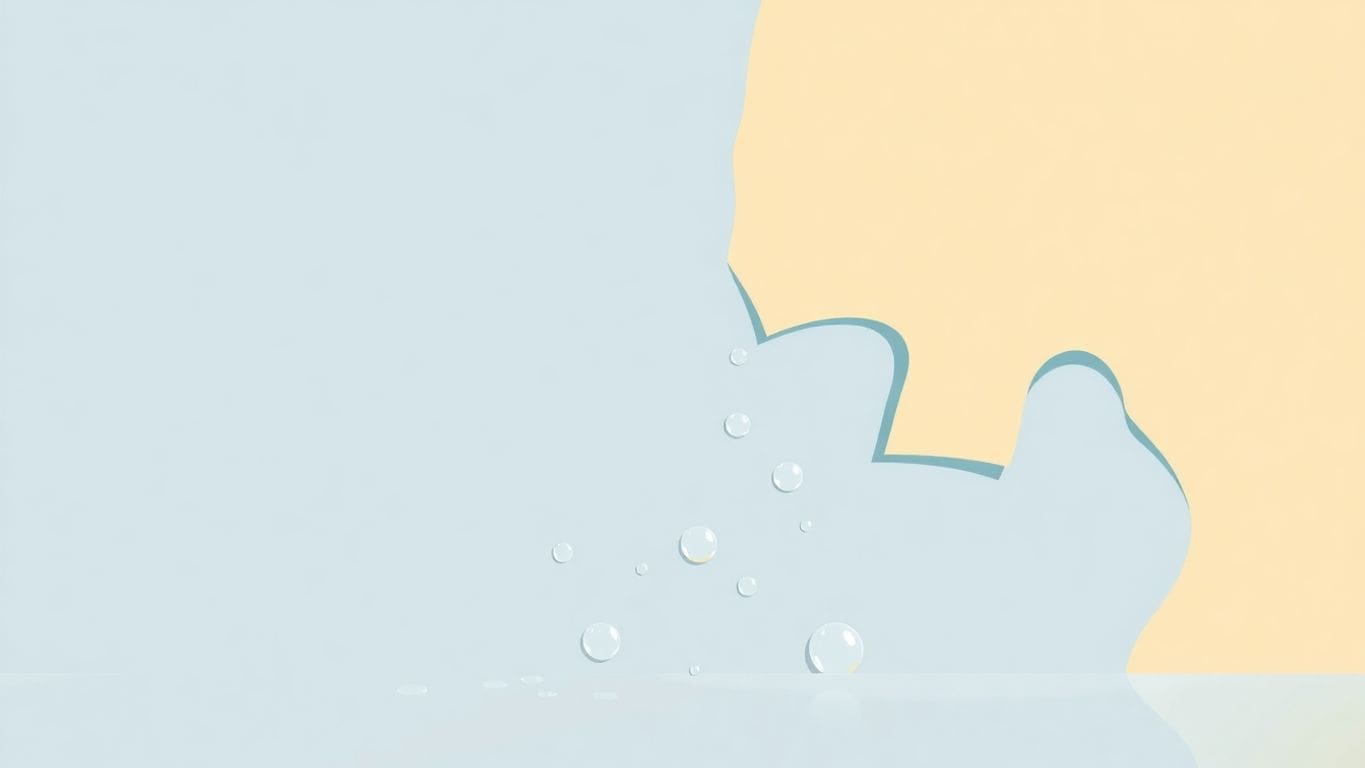
Living in a humid place can be tough on your walls. When there’s a lot of moisture in the air, it can sneak into your walls and cause the paint to bubble. Humidity makes paint soft and weak, so it doesn’t stick well. This is why you might see bubbles popping up during rainy seasons. It’s like the paint is trying to escape from the wall!
If you live where it’s super humid or very dry, you might need to change how you paint. Here’s what you can do:
Each season brings its own challenges. Here’s how you can keep your paint looking fresh:
Remember, the weather can really mess with your paint. By taking a few simple steps, you can keep your walls looking great all year round. It’s all about knowing your climate and planning ahead!
Imagine waking up one morning to find bubbles forming on your freshly painted walls. It’s a nightmare, right? Many homeowners have been through this, and they’ve got some stories to share. One key lesson is the importance of acting fast. As soon as you spot any signs of water damage, like small bubbles or discoloration, it’s time to take action. Waiting can lead to more extensive damage.
Here’s a quick list of what some homeowners learned:
Seeing is believing. Homeowners have shared amazing before and after pictures of their paint repairs. Initially, their walls looked like a disaster zone with bubbles and peeling paint. After addressing the water source and repainting, their walls looked brand new.
Here’s what they did:
Experts in home maintenance have weighed in on how to prevent paint bubbling from water damage. They suggest using high-quality paint and primer, especially in areas prone to moisture, like bathrooms and kitchens. Regular inspections of your home’s plumbing and roof can also help catch potential problems early.
"It’s always better to be proactive rather than reactive when it comes to home maintenance," says one expert. "A little effort now can save a lot of headaches later."
When choosing a company for water damage restoration, consider evaluating online reviews for response time and quality of work. This can help ensure you’re getting the best service possible and prevent future issues.
When it comes to paint bubbling, the type of wall material matters a lot. Some materials soak up water like a sponge, while others stay pretty dry. Brick and concrete walls, for example, can hold moisture, which might cause the paint to bubble up. On the other hand, metal or vinyl surfaces don’t let much water in, so the paint stays smooth.
Here’s a simple table to show how different materials react to water:
| Material | Water Absorption | Paint Reaction |
|---|---|---|
| Brick | High | Likely to Bubble |
| Concrete | Medium | Possible Bubbling |
| Wood | High | Likely to Bubble |
| Metal | Low | Stays Smooth |
| Vinyl | Low | Stays Smooth |
Insulation plays a big role in keeping your walls dry. If your home is well-insulated, it’s less likely that water will sneak in and mess up the paint. Poor insulation, however, can lead to water getting trapped in the walls. This trapped moisture can cause paint to bubble.
Consider these tips to keep your insulation in check:
Selecting the right materials for your home can help keep your paint looking fresh. If you’re building or renovating, think about using materials that don’t absorb much water.
Picking the right materials and keeping your insulation in good shape can save you a lot of trouble down the road. It might seem like extra work now, but it will help keep your home looking its best.
Water damage is like a sneaky enemy for your paint. When water seeps through, it can make the paint peel or bubble. Over time, this damage gets worse and can ruin your walls. It’s important to know that once water has touched your paint, its lifespan is shortened. You might notice discoloration or fading, which isn’t just ugly but also a sign that the paint is breaking down.
If water keeps getting to your paint, it can really mess things up. Imagine layers of paint like layers of a cake. When water gets in, it can make these layers separate or crack. This not only looks bad but can also lead to more serious issues, like mold. Repeated water exposure weakens the paint, making it more likely to bubble or peel.
To keep your paint looking fresh, you need to take action. Here are some tips to help:
By being proactive, you can avoid costly repairs and keep your paint looking great for longer. Remember, a little maintenance goes a long way in protecting your home from water damage.
For more ways to protect your home, consider creating a personalized prevention plan. This can help you identify and fix potential water damage issues before they become big problems.
Paint bubbles when it gets wet because water seeps through the paint layers, causing them to lift and form bubbles.
Common reasons include leaky roofs, plumbing issues, and poor ventilation, all of which can lead to water seeping into walls and affecting the paint.
To prevent bubbling, make sure your home is well-sealed against leaks, use waterproof paint, and keep humidity levels low.
If you spot bubbles, you should first fix any water leaks, then scrape off the bubbled paint and repaint the area after it dries.
You can fix small areas yourself, but for large or recurring problems, it’s best to hire a professional.
Yes, high-quality paints often have better water resistance and are less likely to bubble when exposed to moisture.
In humid climates, paint is more likely to bubble due to higher moisture levels in the air. Adapting your paint choice and technique can help.
Moisture meters can help find hidden water damage before it causes paint to bubble.

Business Owners: Join our insider newsletter for exclusive marketing strategies and growth opportunities for local services business.