Finding the Right Water Damage Companies: A Comprehensive Guide for Homeowners
Water damage can be a major headache for homeowners. It can happen due to various reasons like leaks, floods, or…



Water damage in homes can be a real headache, and it’s something a lot of folks end up dealing with at some point. It can sneak up on you, starting as a tiny leak and turning into a big problem if you don’t catch it early. From busted pipes to roof leaks, there are so many ways water can mess with your house. And let’s not even get started on the costs and hassle of fixing it all up. Knowing what causes water damage and how to stop it can save you a ton of stress and money. This article is all about digging into why water damage happens in homes and sharing some tips to keep your place safe and dry.
Leaky faucets and pipes might seem like a small problem, but they can lead to big issues over time. Dripping water can waste gallons and increase your water bill. Look for water stains or puddles under sinks and around pipes. Listen for the sound of dripping when everything is quiet. If you find a leak, fix it quickly to prevent further damage.
Your water heater can be a hidden source of water damage. If it’s old or not maintained, it might leak or even burst. Check for rust or puddles around the heater. Regularly inspect the pressure relief valve and flush the tank to remove sediment. If your heater is over ten years old, consider replacing it.
Burst pipes can cause a flood of problems in your home. They often happen in winter when water inside the pipes freezes and expands. To prevent this, insulate your pipes, especially those in unheated areas like basements or attics. Let faucets drip slightly during extreme cold to keep water moving. Know where your main water shut-off valve is so you can quickly stop the flow if a pipe bursts.
Keeping an eye on your plumbing can save you from costly repairs. Regular checks and maintenance go a long way in protecting your home from water damage.
By staying on top of these common plumbing issues, you can keep your home safe and dry. For more on creating a personalized prevention plan, consider assessing vulnerabilities and maintaining your plumbing systems regularly.
Your roof is your home’s first defense against rain and snow. Inspecting shingles and flashing regularly can help you catch problems early. Shingles can get damaged by wind or hail, and flashing, which seals joints around things like chimneys, can wear out or be installed wrong.
Here’s a simple checklist:
Keeping an eye on these can save you from bigger headaches later.
Attics can be sneaky places for moisture to hide. If you notice a musty smell or see damp spots, you might have a leak. Moisture in the attic can lead to mold, which is bad news for your health and your home.
To keep your attic dry:
When you spot damage, act fast. Small issues can turn into big ones if ignored. Whether it’s a few shingles or a section of flashing, getting it fixed quickly is key.
Steps to consider:
Regular maintenance checks, such as inspecting roofs and plumbing, are essential to prevent water damage. Installing water detection systems in vulnerable areas like basements and kitchens can provide early alerts. Proper drainage and gutter maintenance are crucial to avoid pooling water. In case of water damage, document the extent and source for insurance claims, and understand your policy’s coverage limits and deductibles. Taking these proactive steps can save homeowners from costly repairs and ensure swift restoration.
By staying on top of these tasks, you can keep your home safe and dry.
Basements are like magnets for water. They sit below ground level, making them prone to flooding. But don’t worry, there are ways to keep your basement dry and safe. Let’s dive into some key strategies to manage basement water intrusion.
Foundation cracks can let water seep into your basement, especially during heavy rains. It’s crucial to seal these cracks promptly to prevent water from sneaking in. You can use special sealants to fill these cracks. It’s like putting a band-aid on a cut, but for your home!
A sump pump is like a trusty friend that helps keep water out of your basement. It pumps water away from your home, preventing it from flooding your basement. Consider installing a backup sump pump, just in case the power goes out. You don’t want to be caught off guard during a storm.
Proper drainage is key to keeping your basement dry. Make sure the ground around your home slopes away from the foundation. This helps direct water away from your house. You can also install drainage channels to guide water away. Think of it as giving water a path to follow, so it doesn’t wander into your basement.
Keeping your basement dry isn’t just about comfort, it’s about protecting your home’s foundation. A dry basement means a strong home, free from water damage worries.
By following these steps, you can prevent water damage in basements and keep your home safe and sound. Remember, a little prevention goes a long way in keeping water at bay.
Your washing machine and dishwasher work hard, but they need some love too. Keep an eye on their hoses and seals, because these can wear out over time. Rubber hoses can crack or burst, so swapping them for stainless steel braided hoses is a smart move. It’s also a good idea to check for leaks around the seals and replace them if needed.
Refrigerators with water dispensers or ice makers can be sneaky culprits of water damage. Make sure to inspect the water lines and connections for any signs of wear or leaks. Tighten any loose connections and replace any damaged parts. Regular checks can prevent a minor issue from turning into a big mess.
Old hoses are trouble waiting to happen. They can burst and cause flooding, especially if they’re old and worn out. It’s a good rule to replace them every five to seven years. Regular maintenance helps keep your home safe from unexpected water disasters.
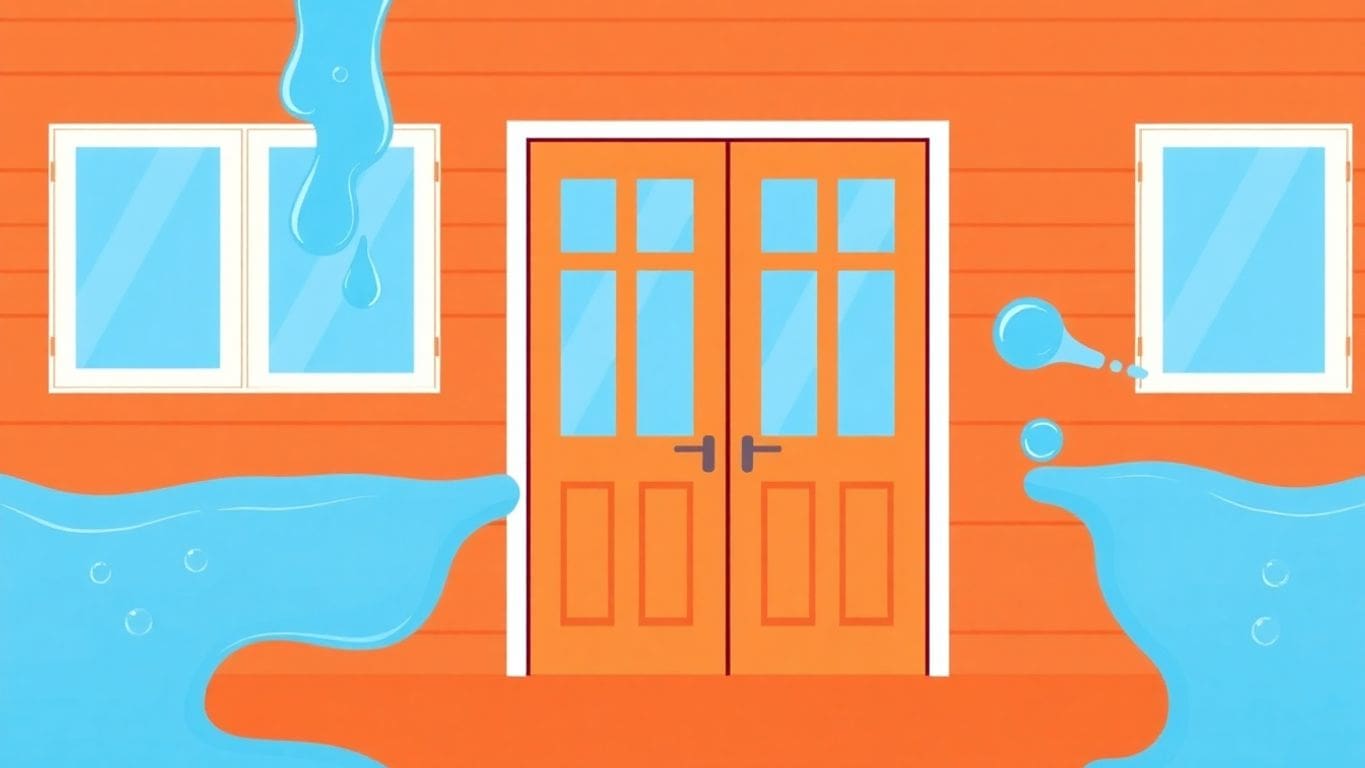
Water can sneak into your home through tiny gaps around windows and doors. These gaps often form when seals wear out. To stop this, you should check the seals regularly. If you spot any cracks or gaps, replace them. It’s amazing how a small crack can let in so much water! New seals can keep your home dry and cozy.
Weather stripping is like a raincoat for your windows and doors. It helps keep rain and wind outside where they belong. You can find weather stripping at most hardware stores. It’s easy to put on and can make a big difference. Just measure, cut, and stick it where needed. This simple step can prevent water from sneaking in during storms.
Sometimes, the way windows and doors are put in can cause problems. If they aren’t installed right, water can find its way inside. Make sure they fit snugly and there are no gaps. If you’re not sure, it might be a good idea to ask a professional to check. Proper installation can save you from a lot of trouble later.
Water damage can be sneaky, often starting small and growing into a big problem. Regular checks and fixes around windows and doors can help keep your home safe and dry.
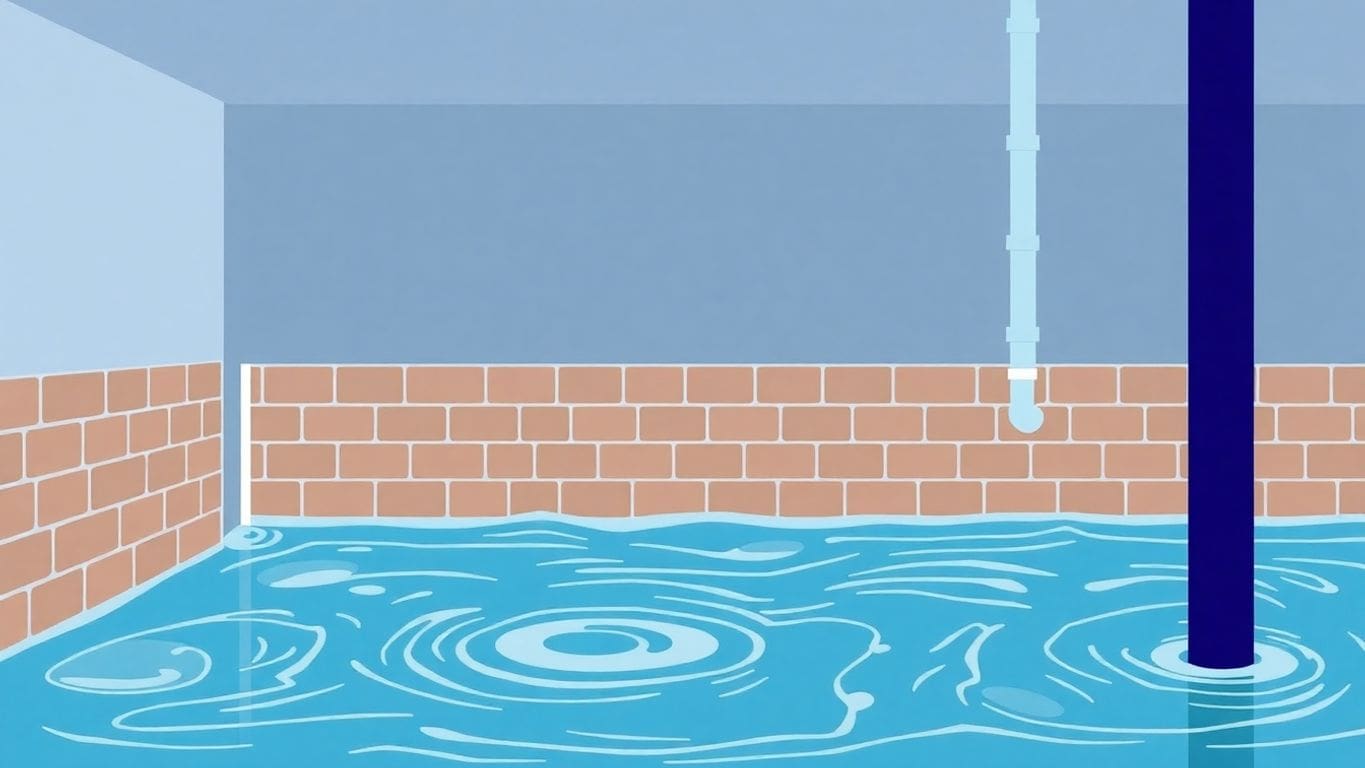
Tree roots love water, and they’ll go after it even if it means sneaking into your sewer pipes. These roots can crack or block the pipes, leading to a messy backup. To keep roots out, have your sewer lines checked regularly. If you notice slow drains or strange gurgling noises, it might be time to call a plumber.
Clogs in your sewer line can be a real hassle. Grease, wipes, and even "flushable" products can cause a blockage. To avoid this, only flush toilet paper and dispose of other items in the trash. Regular cleaning and inspections can also help keep things flowing smoothly.
A backwater valve is a device that helps prevent sewage from backing up into your home. It’s a smart investment, especially if you live in an area prone to heavy rain. These valves allow sewage to flow out but stop it from coming back in. Consider getting one installed by a professional to protect your home from unwanted messes.
Tip: Sewer backups are not just unpleasant; they can pose health risks. Keeping your sewer lines clear and well-maintained is crucial to avoiding these problems.
Your HVAC system is a key part of keeping your home comfortable, but it can also be a source of water damage. Regular maintenance is essential to prevent leaks and other issues. Here’s how you can keep everything running smoothly.
Condensate lines help remove water from your air conditioning system. If these lines get clogged, water can back up and cause damage. To keep them clear:
Your HVAC unit can leak if the drain pan gets full or cracked. Inspect the unit regularly:
Air filters keep your HVAC system running efficiently. Dirty filters can cause the system to work harder, leading to potential leaks. Keep these tips in mind:
Taking care of your HVAC system not only prevents water damage but also helps it run more efficiently. This can save you money on energy bills and extend the life of your system.
Remember, while DIY repairs can be tempting, professional maintenance ensures everything is done right and can be covered by insurance. Regular check-ups and cleaning can prevent unexpected problems and costly repairs.
Home insurance is like a safety net for your house. It helps cover costs if something goes wrong, like water damage. Most policies cover things like burst pipes or rain damage. But, not all water issues are included. For example, if water comes from the ground up, like from a flood, you might need extra coverage.
Sometimes, water can back up from the sewer into your home. This can cause a big mess and lots of damage. Regular home insurance might not cover this. That’s where a sewer backup rider comes in. It’s an extra add-on to your policy that protects against these kinds of problems. Think of it as a special shield for your home.
Floods are different from other water problems. They happen when water rises from the ground and enters your home. Regular insurance usually doesn’t cover floods. You might need to buy flood insurance separately. This is especially important if you live in a flood-prone area. It’s like having an umbrella just in case it rains too hard.
Water damage can happen fast. Having the right insurance is like having a superhero ready to help. Make sure you understand what your policy covers and consider extra protection if needed.
Water leaks can happen without warning, causing major problems. Installing leak detection systems is a smart move. These systems can sense leaks early and can even shut off the water supply automatically. This can save you from big headaches later on.
Keeping an eye on your home is key. Do regular checks on your plumbing, roof, and foundation. Look for any signs of trouble, like cracks or leaks. Catching these issues early can prevent bigger problems down the line.
It’s vital to have a plan for emergencies. Know where your main water shutoff valve is located. This can stop water quickly if there’s a leak. Also, keep the contact info of a professional water damage restoration service handy. If water damage happens, acting fast can prevent mold growth and reduce damage.
Being prepared with prevention tips can save you time, stress, and money. It’s all about being proactive and not waiting for a disaster to strike.
Your home’s foundation is like its backbone. Keeping it strong is key to avoiding big problems. Regular checks can help you spot issues early. Look for cracks in walls or floors. If doors or windows stick, it might mean there’s a shift in the foundation. These signs can tell you something needs fixing.
Cracks in your foundation aren’t just ugly—they can let in water. Small cracks might seem harmless, but they can grow. Use a sealant to patch them up. For bigger cracks, you might need a pro. Fixing these cracks helps keep your home dry and safe.
Water should flow away from your house, not toward it. If your yard slopes toward your home, water can pool around the foundation. This can lead to leaks or even flooding. Make sure your gutters and downspouts are clear and direct water away from the house. You might need to adjust the landscape to keep water moving in the right direction.
Keeping your foundation in check can save you a lot of trouble. A strong foundation means a safe, dry home. Regular inspections and quick repairs can help avoid costly damage later.
To prevent future water damage, remember to address these structural issues. You might even consider choosing the right water damage restoration company to help with these tasks. They can provide insights and help you take proactive steps to protect your home.
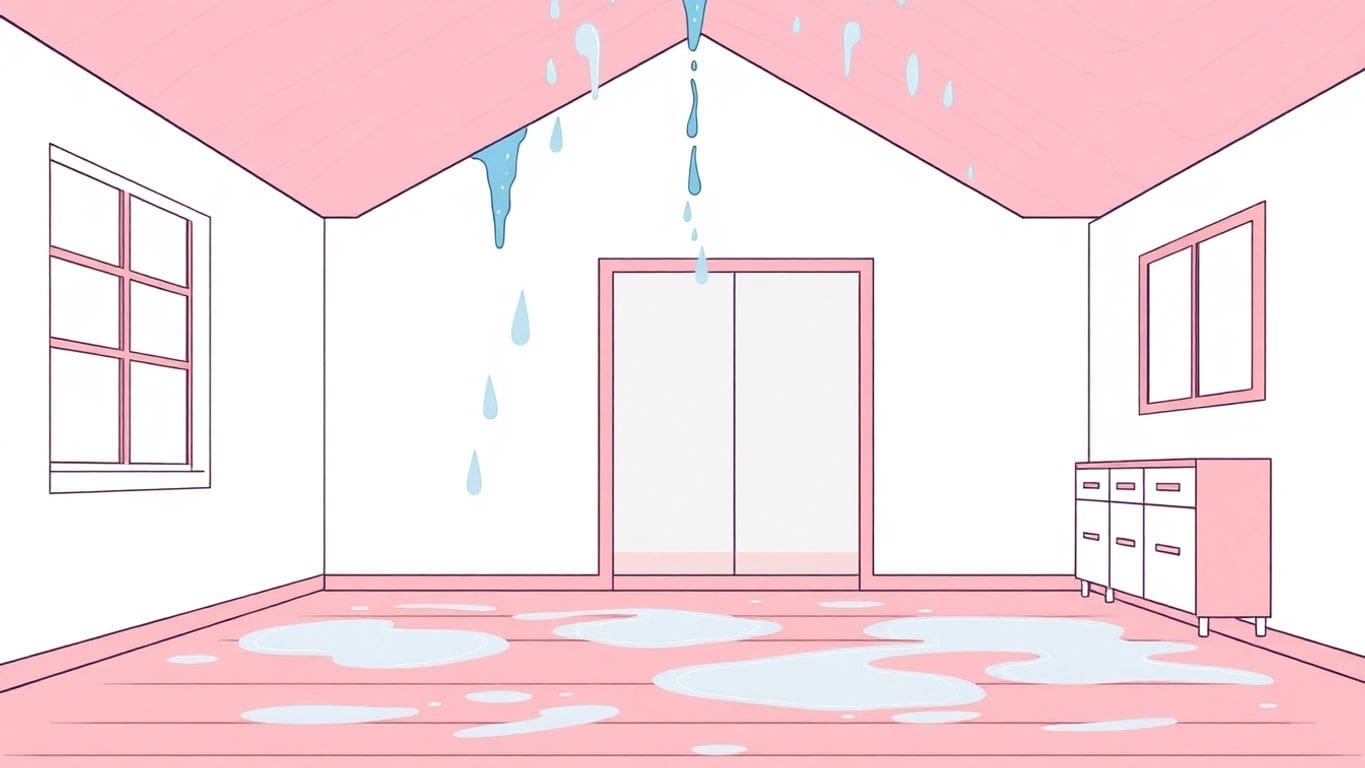
In an unexpected water emergency, the first step is to turn off the water. Knowing where the main water shutoff valve is located in your home is crucial. Typically, you can find it in the basement, garage, or near the water meter. Make sure every family member knows its location and how to operate it. This simple action can prevent further damage and save you from costly repairs.
Once the water is off, it’s time to call in the experts. Water damage can lead to serious issues like mold growth if not addressed quickly. Professional restoration services have the right tools and knowledge to safely clean up and restore your home. They can handle everything from water extraction to drying and mold prevention. Remember, quick action is key to minimizing damage.
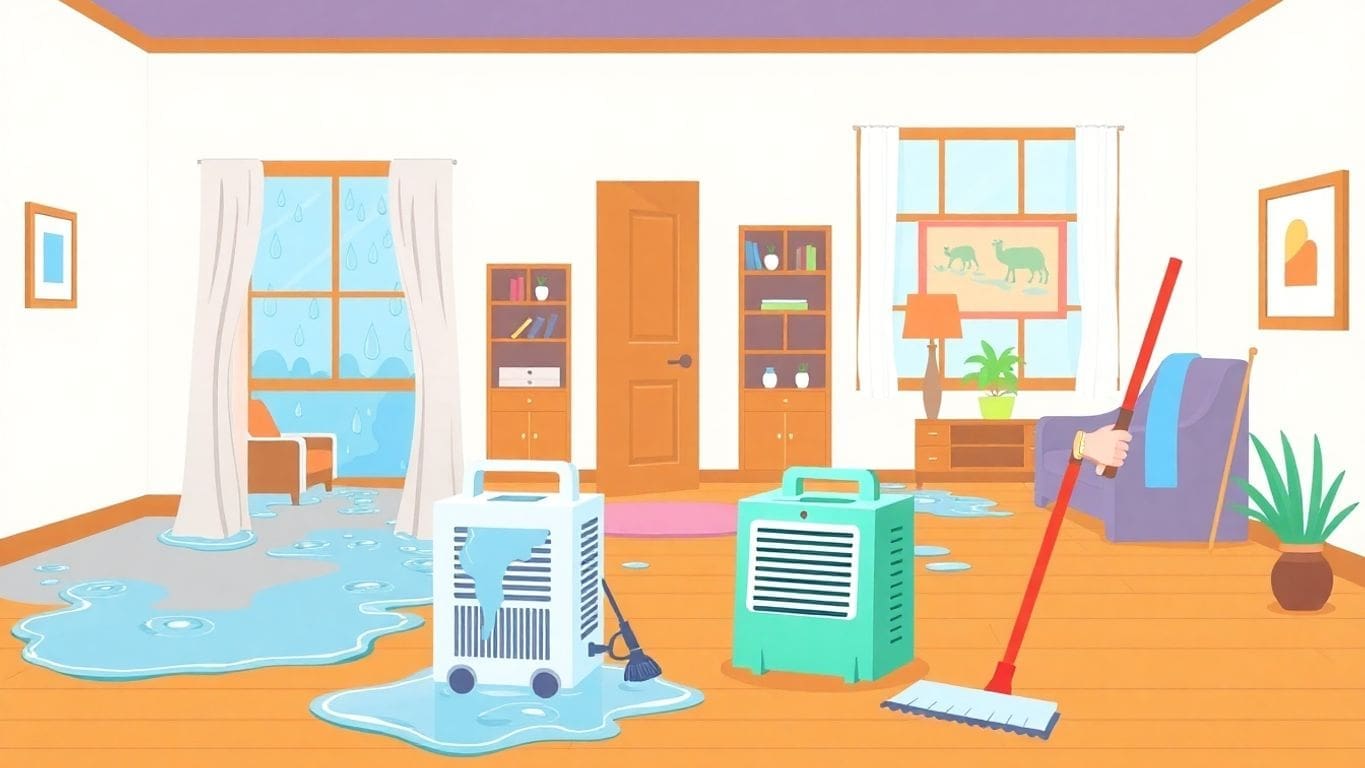
After water damage, mold can start growing in as little as 24 to 48 hours. To prevent this, you need to dry out the affected areas as soon as possible. Use fans, dehumidifiers, and open windows to improve air circulation. Pay special attention to damp areas like carpets and walls. If mold does appear, it’s best to let professionals handle the cleanup to ensure it’s done safely and thoroughly.
Water emergencies can be stressful, but being prepared makes all the difference. Knowing what to do and acting fast can help keep your home safe and reduce damage.
Water damage often happens because of leaky pipes, broken appliances, roof leaks, and poor drainage. These problems let water get into places it shouldn’t be, causing damage.
You might have a roof leak if you notice water spots on your ceiling, missing shingles, or see water dripping inside when it rains.
If your basement floods, first make sure it’s safe to enter. Then, remove the water using a pump or wet/dry vacuum, and dry out the area as soon as possible to prevent mold.
To stop pipes from bursting, insulate them, keep your home warm, and let faucets drip during freezing weather. This helps prevent the water inside from freezing.
Not all policies cover water damage. Many cover sudden issues like burst pipes but might not cover problems from poor maintenance. It’s important to check with your insurance provider.
Mold can grow quickly after water damage and cause health problems. It can also damage your home further if not cleaned up promptly.
Washing machines, dishwashers, and refrigerators are common culprits. They can leak if hoses or seals break, leading to water damage.
To keep water out, check seals and caulking around windows and doors regularly. Replace them if they are worn out, and use weather stripping to improve the seal.

Business Owners: Join our insider newsletter for exclusive marketing strategies and growth opportunities for local services business.