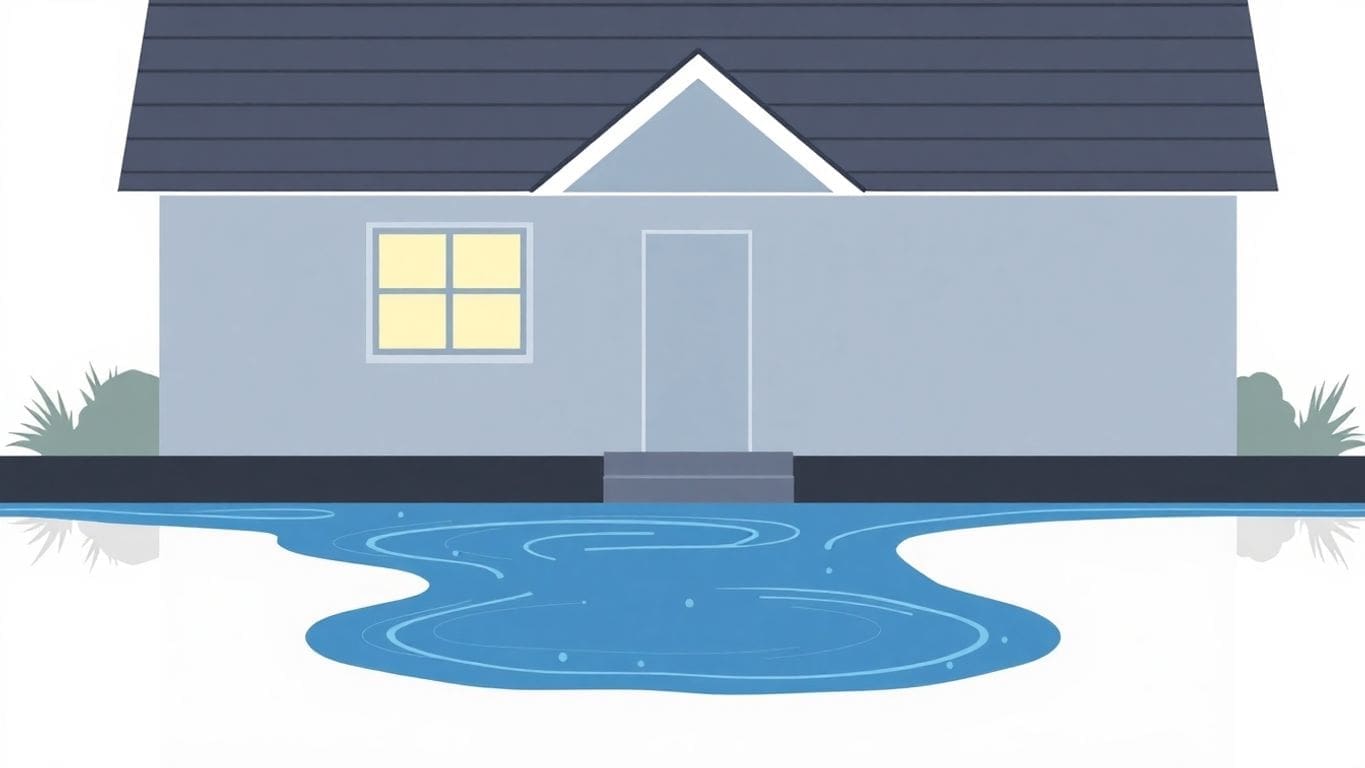
Understanding the Health Risks of Water Damage: Protecting Your Home and Health
Water damage is more than just a pesky problem—it’s a serious threat to both your home and your health. From…



Water damage in your basement can lead to costly repairs and a lot of headaches. Whether it’s due to heavy rains, plumbing issues, or poor drainage, taking steps to prevent water from seeping into your basement is essential. In this article, we’ll cover some practical tips on how to prevent water damage in your basement, so you can keep your home safe and dry.
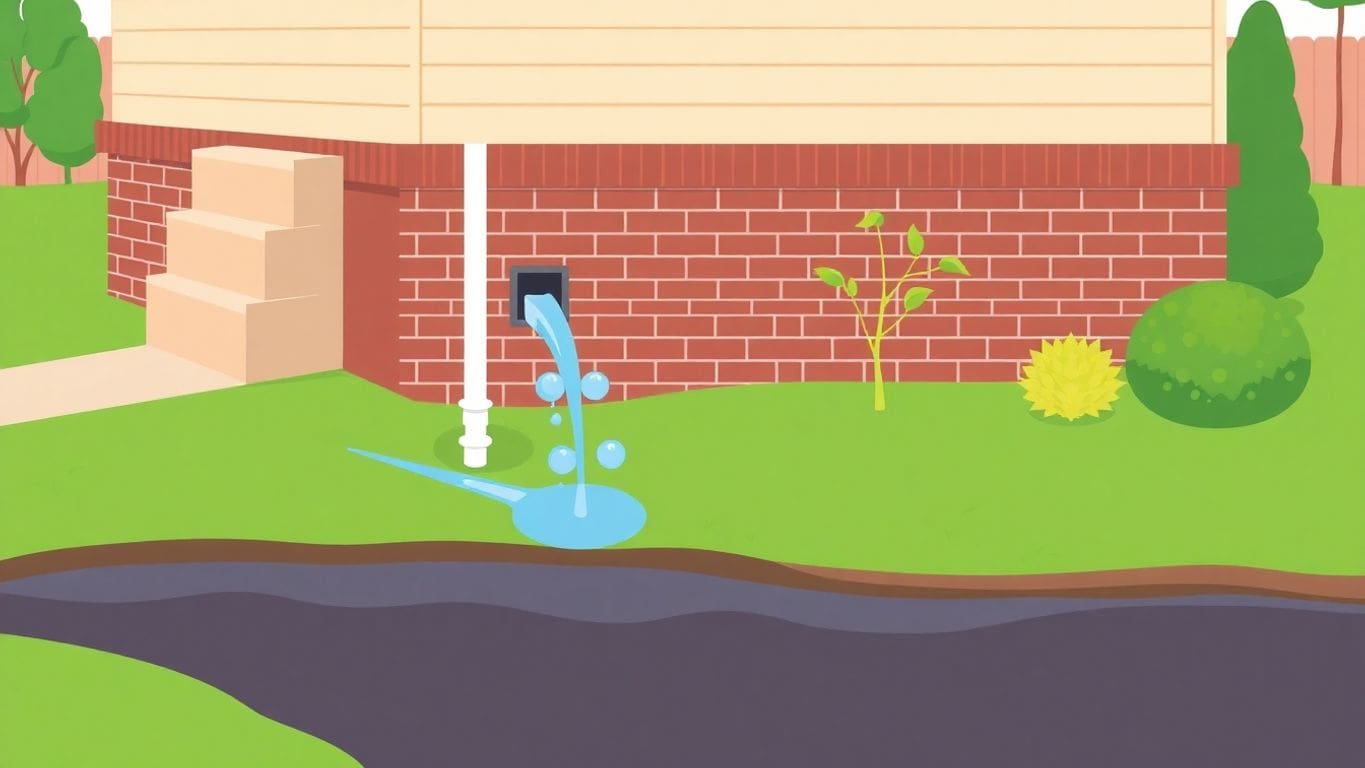
Your home’s drainage system is super important for keeping water away from your foundation. If water hangs around your foundation, it can seep into your basement and cause problems. Let’s look at some ways to make sure your drainage is working well.
Gutters catch rainwater from your roof. If they’re full of leaves and junk, the water can’t flow away properly. This can cause water to overflow and pool around your foundation. Clean your gutters at least twice a year, in the spring and fall. If you have lots of trees around, you might need to clean them more often. Make sure the water can flow freely to prevent basement flooding.
Downspouts carry water from the gutters to the ground. If the downspouts are too short, the water will just sit right next to your foundation. Extend your downspouts so they drain at least 4-6 feet away from your house. You can buy downspout extensions at most hardware stores. This helps move water away from your home’s base.
The soil around your house should slope away from the foundation. This means the ground should be higher near your house and gradually slope downward as you move away. If the soil slopes toward your house, rainwater will flow toward your foundation instead of away from it. You can add soil to change the slope. Aim for a slope of about six inches for every ten feet. Proper lawn grading is key to keeping your basement dry.
Making sure your yard slopes away from your house is a simple way to prevent water from getting into your basement. It’s like creating a natural path for the water to follow, leading it away from your home’s foundation.
Your home’s foundation is like its backbone. If it has cracks, water can get in and cause big problems. Sealing these cracks is super important to keep your basement dry. It’s one of the best ways to prevent water damage.
First, you need to find the cracks. Walk around your basement and look closely at the walls and floor. Some cracks are easy to see, but others might be small and hidden. Look for thin lines or areas where the concrete looks uneven. Pay special attention to corners and where the walls meet the floor. These are common spots for cracks to form. You might even find signs of moisture near the cracks, which is a sure sign that water is getting in.
Once you’ve found the cracks, you can fix them with hydraulic cement. This stuff is great because it expands as it dries, creating a tight seal. Here’s how to use it:
Hydraulic cement is a good option for cracks that are actively leaking water because it sets quickly even in wet conditions. It’s a pretty easy DIY fix that can save you a lot of money and trouble in the long run.
Sealing cracks is not a one-time thing. You need to check your foundation regularly for new cracks. Soil shifts, temperature changes, and other factors can cause new cracks to form over time. Make it a habit to inspect your basement walls and floors at least twice a year. Early detection can prevent basement flooding and save you from bigger problems later on. If you find new cracks, seal them right away to keep your basement dry.
Sump pumps are a great way to keep your basement dry. They pump water out of your basement and away from your home’s foundation. This helps prevent flooding and water damage. Think of it as your basement’s personal drain, always ready to kick into action.
There are two main types of sump pumps: submersible and pedestal. Submersible pumps sit in the water and are quieter. Pedestal pumps are above the water and are usually cheaper. Consider the size of your basement and how much water you usually get to pick the best sump pumps for your needs.
Make sure your sump pump is working right. Pour water into the sump pit to see if the pump turns on and pumps the water out. Do this a few times a year to make sure it’s ready when you need it. Regular testing can save you from a flooded basement later.
What happens when the power goes out? A battery backup system will keep your sump pump running even if the electricity is off. This is super important during storms when you need the pump the most. It’s like having a basement waterproofing safety net for your sump pump.
A battery backup for your sump pump is a smart idea. Power outages often happen during heavy rains, exactly when you need your sump pump to work. A backup ensures your basement stays dry, even without electricity.
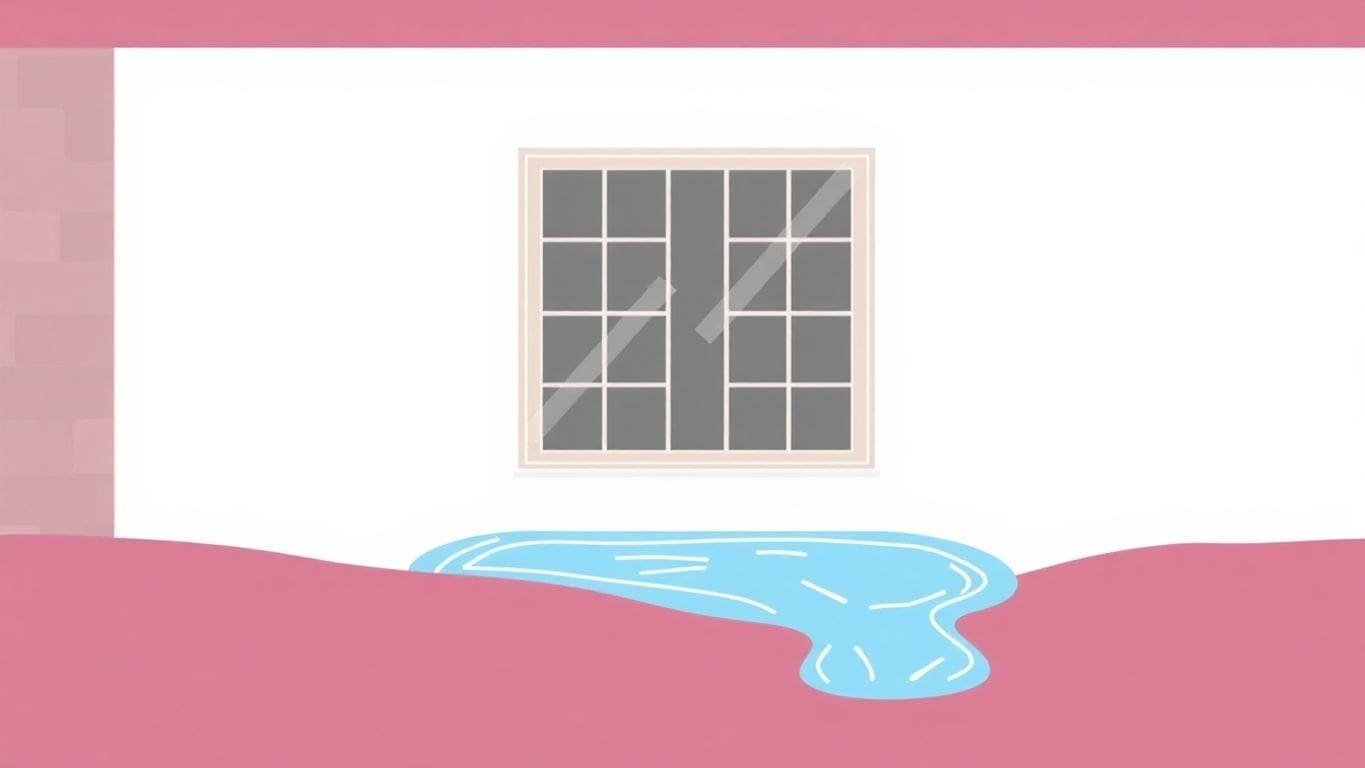
Window wells are those little areas around your basement windows that sit below ground level. They’re meant to let light in, but they can also let water in if you’re not careful. Think of them as little buckets just waiting to fill up during a rainstorm. You can prevent heavy rainfall from seeping through your basement windows by using window well covers.
When picking out window well covers, you want something that will last. Acrylic covers are a good choice because they’re strong and clear. You want to let light in, right? Cheaper plastic covers can crack or turn yellow over time, which isn’t ideal. Look for covers that are designed to handle snow and ice without breaking. A good cover will keep water out and still let sunlight into your basement.
Getting the right cover is only half the battle; you also need to install it correctly. Make sure the cover fits snugly over the window well. You don’t want any gaps where water can sneak in. Some covers snap on, while others might need to be screwed in. Follow the instructions that come with the cover. If you’re not comfortable doing it yourself, ask a handyman to help. A properly installed cover will make a big difference.
Even with covers, window wells can still collect debris. Leaves, dirt, and even small animals can find their way in. Make it a habit to clean out your window wells a few times a year. This will prevent clogs that can cause water to back up and leak into your basement. It’s a simple task, but it can save you a lot of trouble. Just remove the cover and scoop out any debris. While you’re at it, check the cover for any cracks or damage and replace it if needed.
Window well covers are a simple and effective way to keep water out of your basement. They’re not a one-time fix, though. You need to maintain them to make sure they’re doing their job. Regular cleaning and inspection will help prevent water damage and keep your basement dry.
Your home’s plumbing is super important for preventing water damage in your basement. A small leak can turn into a big problem fast. By keeping up with your plumbing, you can save yourself a lot of trouble and money.
Make it a habit to check all the pipes you can see. Look under sinks, around toilets, and in the basement. Even a tiny drip can cause big problems over time. If you spot a leak, fix it right away. You might be able to tighten a connection yourself, or you might need to call a plumber. Ignoring leaks is like leaving the door open for water damage to come in.
Water heaters don’t last forever. Over time, they can rust and leak, causing a flood in your basement. If your water heater is getting old (more than 10 years), think about replacing it. It’s better to replace it before it fails and causes a mess. Replacing it early can save you from a big headache.
Washing machine hoses are another common source of leaks. These hoses can crack or burst, sending water everywhere. Check your washing machine hoses regularly for any signs of wear and tear. Replace them every few years, even if they look okay. It’s a cheap way to prevent a potentially expensive flood. Here are some things to look for:
Keeping your plumbing in good shape is a key part of keeping your basement dry. Regular checks and quick fixes can stop small problems from turning into big disasters. Don’t wait until you see water to take action. Be proactive and protect your home.
Also, remember to take care of recurring plumbing repair service as soon as problems show up.
Your yard can play a big role in keeping your basement dry. The way your yard is set up can either help water drain away from your home or cause it to pool around your foundation. Let’s look at some things you can do with your landscaping to prevent water damage.
Think about where you plant trees and shrubs. Planting them in the right spots can help soak up extra water in the ground. Trees and shrubs act like natural sponges. They can reduce the amount of water that reaches your foundation. This is especially helpful in areas that get a lot of rain. Also, consider the mature size of plants to ensure they won’t interfere with underground utilities or the foundation itself. You might want to consider foundation repair if you notice any issues.
Roots can cause problems. They can grow into your foundation and cause cracks. It’s best to keep plants with big, aggressive roots away from your home’s base. Give your foundation some space. This helps prevent damage and keeps water from getting trapped near your basement walls. Here’s a quick list of plants to avoid:
Hardscaping includes things like patios, walkways, and retaining walls. You can use these features to guide water away from your house. Make sure these are sloped correctly so water flows away and doesn’t collect near your foundation. Think of it as creating a path for the water to follow, leading it safely away from your home.
Proper grading is key. The ground around your home should slope away from the foundation. This helps water drain away instead of towards your basement. A gentle slope is all you need to make a big difference.
Sometimes, the best way to fight water is from the inside. Interior drainage systems can help manage water that gets into your basement. These systems work to collect water and move it away from your home. Let’s look at some options.
French drains are not just for outside! An interior French drain is a trench dug around the inside perimeter of your basement. It has a perforated pipe covered with gravel. This pipe collects water and directs it to a sump pump. If the emergency water clean up is too much, this can be a great solution.
There are special drainage systems made for basements. These systems are installed along the walls and collect water before it spreads across the floor. They are designed to work with your home’s structure and can be hidden for a cleaner look.
Any interior drainage system needs a way to get rid of the water it collects. This is where a sump pump comes in. The drainage system directs water to the sump pump, which then pumps it away from your house. Make sure your sump pump is powerful enough to handle the amount of water your drainage system collects.
Having an interior drainage system can really save the day. It’s like having a safety net for your basement. It catches water before it causes big problems, keeping your basement dry and your home safe.
Here are some benefits of interior drainage systems:
Sewer backups can cause nasty messes and serious water damage in your basement. It’s important to keep an eye out for potential problems and take steps to prevent them. You don’t want sewage ending up in your home!
A backwater valve is like a one-way door for your sewer line. It lets wastewater flow out of your house but stops it from flowing back in. This is super important because during heavy rains or sewer system issues, water can back up and flood your basement. A backwater valve can save you from a lot of trouble.
Keep an eye on your sewer lines. Look for these signs:
If you notice any of these, it’s time to call a plumber to check things out. Regular sewer repair can prevent bigger problems down the road.
Being aware can help you act fast and minimize damage. Here’s what to watch for:
If you see any of these signs, stop using water immediately and call a professional plumber. Quick action can prevent a major mess and costly repairs. You might also want to check if your basement waterproofing system is working correctly.
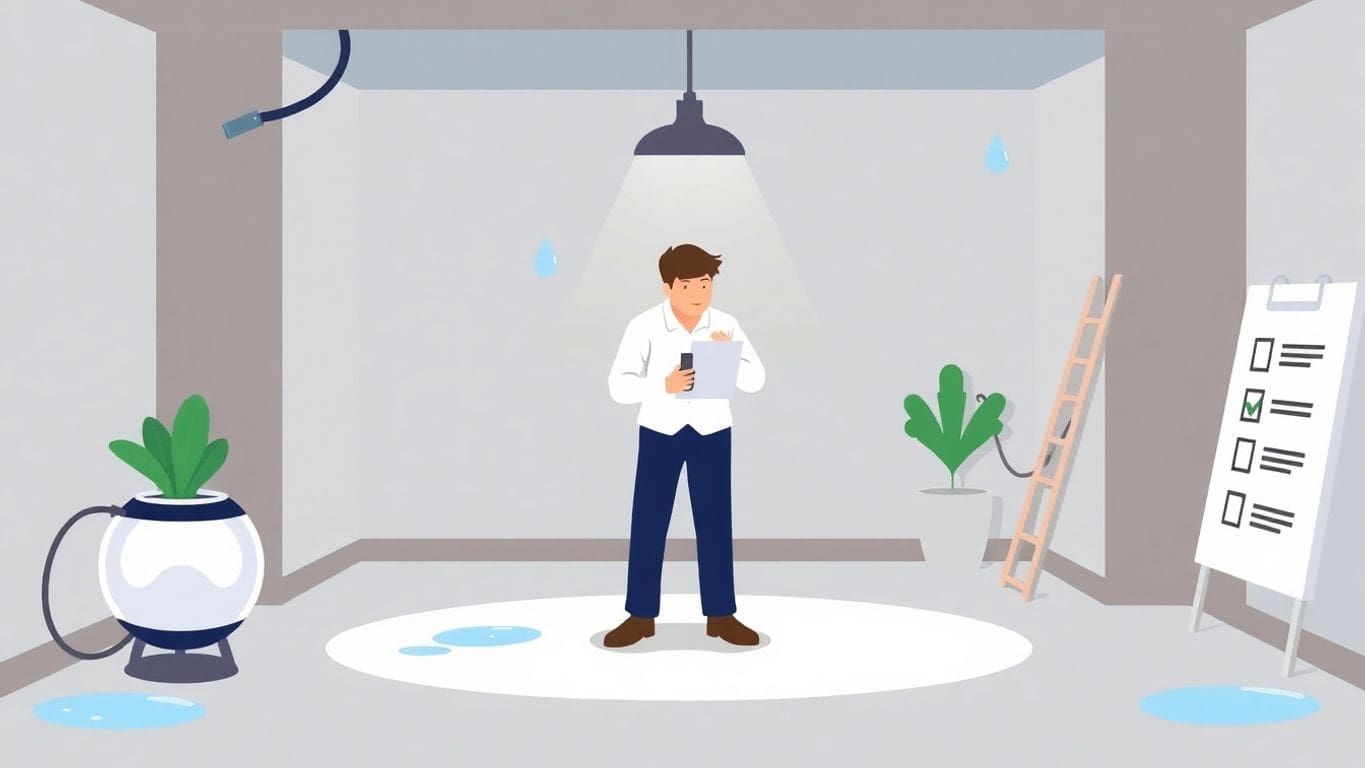
Your home is a big investment, so it’s smart to check it often. Regular inspections can help you find small problems before they turn into big, expensive disasters. Catching issues early can save you a lot of money and stress.
Take a look at your roof every few months. Look for missing or damaged shingles. If you see any, get them fixed right away. A damaged roof can let water into your attic and then down into your basement. It’s also a good idea to check your roof after big storms.
Go down to your basement and really look around. Check the walls and floors for any cracks or wet spots. Even small cracks can let water in. If you see any problems, fix them as soon as you can. Look for:
Keep an eye out for any signs of moisture in your basement. This could be anything from a damp smell to actual puddles of water. If you see moisture, try to figure out where it’s coming from. It could be a leaky pipe, a crack in the foundation, or something else. Once you know the source, you can fix it.
Doing regular checks around your house is a good way to keep your basement dry. It helps you find and fix small problems before they cause big water damage. This can save you money and keep your home in good shape.
Water leak detectors are like having a super-sensitive nose for water problems. They can catch small leaks before they turn into big, expensive messes. I remember when my friend Sarah ignored a tiny drip in her basement for months. By the time she realized it was a problem, she had to replace half the drywall! Don’t be like Sarah.
Think about where leaks are most likely to happen. Under sinks, near the water heater, and around the washing machine are good places to start. I put one behind my toilet after a minor scare last year. You can buy individual sensors or systems that cover your whole house. It’s a good idea to protect your home from water damage.
Most water leak detectors connect to your phone or tablet. When they sense water, they send you a notification. Make sure you set up these alerts and that you’ll actually hear them. My neighbor’s detector went off while he was on vacation, and he didn’t know until he got back. It kind of defeated the purpose.
Don’t just install the detectors and forget about them. Test them every few months to make sure they’re working. You can do this by simply putting a wet cloth near the sensor. If it doesn’t go off, you might need to replace the batteries or the detector itself. It’s a small step that can save you a lot of trouble.
Water leak detectors are a cheap way to protect your home. They can give you peace of mind, knowing that you’ll be alerted to leaks before they cause major damage. Plus, they’re easy to install and use. It’s a no-brainer, really.
Sometimes, no matter how much you do yourself, you might need to call in the pros. Basement waterproofing can be tricky, and if you’re dealing with serious water issues, it’s often best to get help from people who know what they’re doing. It might cost more upfront, but it can save you a lot of headaches and money in the long run.
Start by looking for waterproofing companies in your area. Check online reviews and ask friends or neighbors for recommendations. You want to find a company with a good reputation and plenty of experience. Make sure they’re licensed and insured, too. This protects you if something goes wrong during the job. A good way to start is by searching for basement waterproofing contractor near you.
Don’t just go with the first company you find. Get quotes from at least three different contractors. This lets you compare prices and services. When you get a quote, make sure it includes everything: the cost of materials, labor, and any extra work that might be needed. Ask the contractors to explain exactly what they’ll do and why. This helps you understand what you’re paying for.
Before you hire someone, make sure you understand what they’re going to do to waterproof your basement. Ask them about the methods they use, like interior drainage systems or exterior sealing. Find out how long the job will take and what kind of warranty they offer. A good contractor will be happy to answer all your questions and explain the process in detail.
Hiring a professional waterproofing service can give you peace of mind. They have the tools and knowledge to fix the problem right the first time. Plus, they can often offer warranties that cover their work, so you’re protected if something goes wrong later on.
Here are some things to consider when choosing a waterproofing service:
You can keep your gutters clean, extend your downspouts away from your foundation, and make sure the soil slopes away from your home.
Look for cracks in your walls and floors. You can use hydraulic cement to seal them and check for new cracks regularly.
A sump pump helps remove water from your basement, preventing flooding. It’s important to test it regularly to make sure it works.
Window well covers keep rainwater from entering your basement through the windows. Clear acrylic covers let in light while keeping water out.
Check for leaks in your pipes, replace old water heaters, and inspect washing machine hoses for any signs of wear.
Plant vegetation away from your foundation and consider hardscaping options to help redirect water away from your home.
An interior drainage system, like a French drain, helps collect water inside your basement and directs it to a sump pump.
You can install backwater valves and regularly inspect your sewer lines to catch any issues before they cause backups.


Business Owners: Join our insider newsletter for exclusive marketing strategies and growth opportunities for local services business.