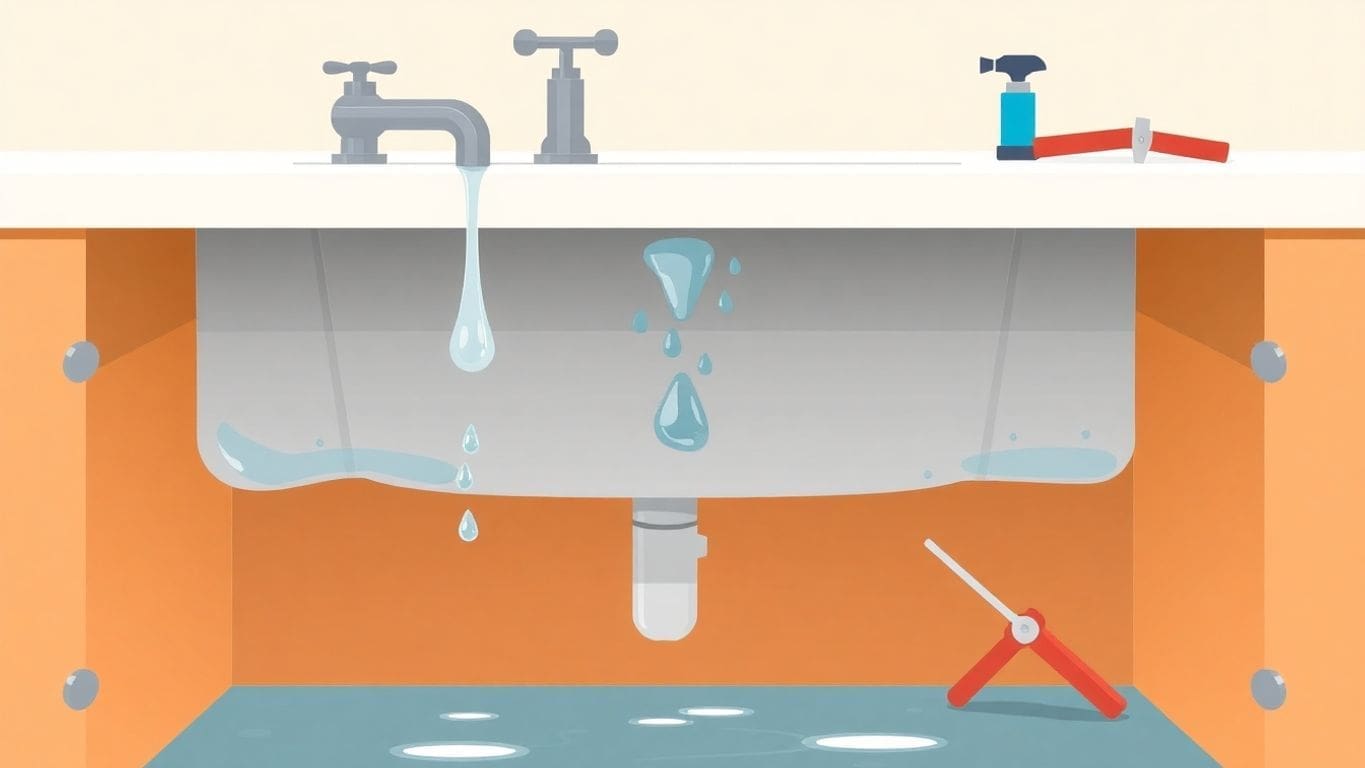
How to Fix Water Damage Under Sink: Step-by-Step Solutions for a Dry Home
Water damage under your sink can be a real headache. It sneaks up on you, often caused by leaks or…



Water damage can sneak up on you, often hiding in places that are hard to see. If left unchecked, it can lead to serious issues in your home, from structural damage to health risks like mold growth. Knowing the top signs your home has water damage can help you catch problems early. In this article, we’ll go through some common indicators to watch for so you can protect your home effectively.
Okay, so you’re walking around your house, just chilling, and you spot something weird on your wall or ceiling. Maybe it’s a yellowish or brownish spot that wasn’t there before. Or maybe it looks like a water ring. That could be a sign of water damage. These stains are often the first thing you’ll notice. They show that water is seeping through the drywall or plaster.
What should you look for?
Ignoring these stains isn’t a good idea. They can weaken the walls and ceilings. This can lead to bigger problems and cost more money to fix later. It’s better to check it out now rather than later. You might need to call a professional to check for signs of water damage and fix the problem.
Think of it like this: if you see a small stain, it’s like seeing the tip of an iceberg. There could be a lot more damage hiding behind the wall. So, don’t just paint over it and forget about it. Find out what’s causing the stain and fix it. Early detection is key!
A musty smell in your house can mean there’s hidden water damage. This smell usually comes from mold and mildew growing where there’s too much water. It’s like when you leave wet clothes in a pile – that same kind of icky smell.
Finding the source of the smell is super important. Ignoring it can lead to more mold, which isn’t good for your health.
Some common places to check for musty smells are:
If you smell something weird, don’t just ignore it. Try to find where it’s coming from. It could save you from bigger problems later. If you’re having trouble finding the source, it might be time to call in a professional. They can help find the leak and choose the right water damage restoration company to fix it.
Sometimes, water damage is easy to spot. You don’t need special tools to see it. It’s right there in front of you. But sometimes we ignore it, or think it’s just a small problem. Don’t do that! Visible water damage can be a sign of a bigger issue.
Ignoring these signs can lead to more damage and cost you more money in the long run. It’s better to check it out now.
Think about it like this: you see a small puddle on the floor. You wipe it up and forget about it. But what if that puddle keeps coming back? That’s a sign of a leak somewhere. You need to find the source of the water to fix the problem. Don’t just ignore the puddle!
Visible water damage can show up in different ways:
If you see any of these things, it’s time to take action. Don’t wait until the problem gets worse. Call a professional to check it out and fix the leak. It’s better to be safe than sorry!
Have you seen your water bill go up lately? It might not just be the rates going up. Water damage, even from small leaks, can really make your bill jump. It’s like paying for water you’re not even using!
A sudden spike in your water bill is a big clue that something’s wrong.
Think about it: a leaky faucet might not seem like much, but over a month, it can waste a lot of water. And if it’s a hidden leak, like in a pipe behind a wall, you won’t even know it’s happening until you get that shocking bill.
Here are some things to consider:
Ignoring a high water bill can lead to bigger problems. Not only are you wasting water and money, but the leak could be damaging your home’s structure. It’s best to investigate right away.
It’s a good idea to check your water meter regularly. If it’s running even when all your faucets and appliances are off, you’ve probably got a leak somewhere. Time to call a plumber!

If you see mold or mildew, it’s a big sign you have water damage. Mold and mildew love wet places. They can grow on walls, ceilings, and floors. It’s not just ugly; it can also make you sick. Finding mold means you need to fix the water problem right away.
Mold and mildew like to grow in places that are often damp. Think about your bathroom, kitchen, and basement. These spots usually have higher moisture levels. Check these areas often for any signs of mold. A musty smell can also mean mold is hiding somewhere. Regular routine checks can help you catch mold early.
Mold can cause health problems, especially if you have allergies or asthma. It’s important to get rid of mold and fix the water leak that’s causing it.
Here are some common places to check:
If you find mold, don’t ignore it. Clean it up and find the source of the water. This will help keep your home healthy and safe. You can also implement moisture prevention strategies to keep mold away.
Wood can really show when there’s water damage. You might see it change shape or color. This can happen to windowsills, door frames, and even your wood floors. It’s not just about how it looks; the wood can actually get weak and start to rot if the water problem isn’t fixed. If you see discoloration on carpets, it’s time to take action.
If you see warped or stained wood, it’s important to find the source of the water and fix it fast. This will help stop more damage and keep your home safe.
Fixing the water problem is key to saving your wood.
Have you ever noticed the paint in your home starting to peel or bubble? It might seem like a small thing, but it could be a sign of water damage. When water gets behind the paint, it can cause it to lose its grip on the wall. This often leads to unsightly peeling or bubbling.
Peeling paint isn’t just ugly; it’s a clue that something’s wrong. Here’s what you should know:
If you see peeling or bubbling paint, don’t just ignore it. Find the source of the water and fix it. Otherwise, the problem will keep getting worse, and you might end up with a much bigger repair bill later on. It’s always better to catch these things early!
Ever hear water running when no one’s using a sink, shower, or toilet? It can be super annoying, but more importantly, it could mean you have a leak. Ignoring these sounds can lead to bigger problems and higher water bills.
Think of it like this: a small drip can turn into a big flood if you don’t catch it early. So, what should you do if you keep hearing water when everything’s off?
It’s better to be safe than sorry. A plumber can find and fix the leak before it causes major damage to your home. Plus, you’ll save money on your water bill in the long run!
It might seem like a small thing, but those persistent sounds of running water are worth checking out. You’ll be glad you did!
Finding damp or wet spots on your floors is a big clue that you have a water problem. It could be a small leak or a bigger issue. Either way, you need to check it out.
If you see water, don’t ignore it.
Damp spots can lead to mold and damage to your floors. It’s better to find the problem early before it gets worse. Ignoring it can cause more damage and cost you more money in the long run.
If you have carpets, check for wet spots or discoloration. Carpets hold water, so they can stay wet for a while. If you have hard floors, look for puddles or dark spots. These are signs that water is sitting on your floor. If you see any of these signs, try to find where the water is coming from. It could be a leaky pipe, a spill, or water coming in from outside. Once you find the source, you can fix it and dry the area to prevent more damage.
Your home’s foundation is super important. It keeps everything stable. If you see cracks, it could mean there’s water damage. Water can weaken the foundation over time. This is a big deal, so pay attention!
Vertical or horizontal cracks in the foundation walls are a sign. Also, look for cracks around door frames or windows. These cracks can show that the foundation is shifting because of water. Ignoring these cracks can lead to major problems later on.
A damaged foundation can be very expensive to fix. It’s better to catch the problem early. Check your foundation regularly, especially after heavy rain.
Here are some things to keep in mind:
If you see cracks, don’t panic. But don’t ignore them either. Get them checked out by a professional. It’s better to be safe than sorry!
Finding water in your basement is a big red flag. It means water is getting in somehow, and that can cause a lot of problems. Basements are naturally prone to dampness because they’re underground. But standing water is never a good sign.
Water in your basement can lead to mold, damage to your stuff, and even problems with your home’s structure. It’s important to find the source of the water and fix it fast.
If you see water, try to figure out where it’s coming from. It could be a leaky pipe, basement water damage from outside, or even condensation. Once you know the source, you can take steps to fix it and keep your basement dry. Ignoring the problem will only make it worse over time.
Seeing rust on your pipes or fixtures is a sign they’ve been around moisture. Rust happens when metal reacts with water and air. This can weaken your pipes and cause leaks. Leaks can lead to water damage in your home. It’s important to check for rust regularly.
If you see rust, it’s a good idea to take action quickly. Ignoring it can lead to bigger problems later on. Sometimes, the rust is just on the surface. Other times, it means the pipe is rusting from the inside out. High humidity or small leaks nearby can cause pipes to rust. Make sure to check all your pipes, especially in basements and under sinks.
Keeping an eye on your pipes can save you money and trouble in the long run. Catching rust early means you can fix small problems before they turn into big, expensive repairs.
Here are some things to look for:
Ever notice your windows getting all foggy? That’s condensation, and while it might seem harmless, it can be a sign of bigger problems. It means there’s too much moisture in your house. Let’s look at why this happens and what you can do about it.
Think of it like this:
If you see condensation all the time, it’s time to figure out why. Ignoring it can lead to water damage and other issues.
Condensation on windows is a sign of high humidity. High humidity can cause mold and damage to your home. It’s important to find the source of the moisture and fix it.
Here’s what to do:
Keeping your home dry is key to preventing problems.
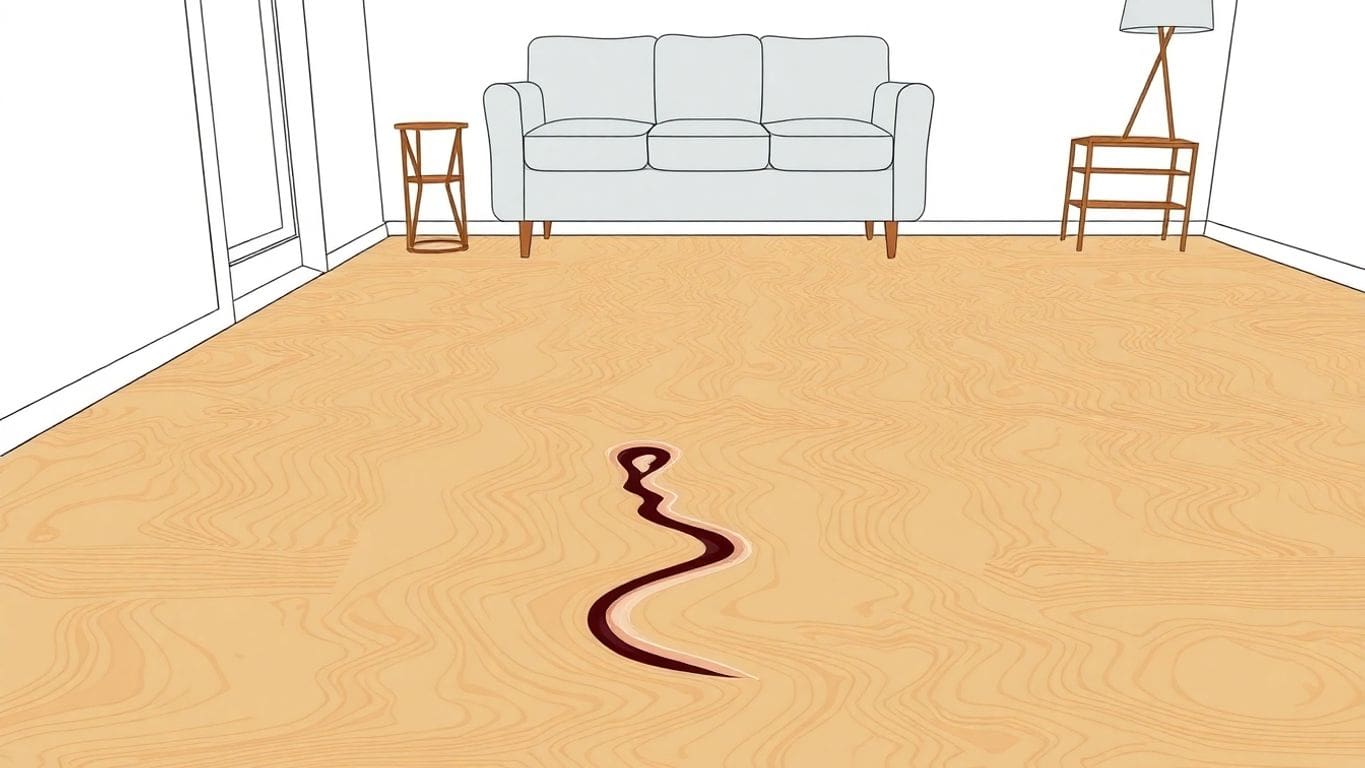
Have you noticed that your floors aren’t quite as smooth as they used to be? Maybe they feel a little bouncy when you walk on them? This could be a sign of water damage. When water gets into your flooring, it can cause the materials to swell, warp, or even buckle. This is especially true for wood and laminate floors.
Here’s what to look for:
If you see any of these signs, it’s important to take action quickly. Water damage can spread and cause more problems if it’s not addressed. Ignoring it could lead to costly repairs down the road.
If you see signs of water damage, it’s time to call a professional to check it out. They can find the source of the water and fix the problem before it gets worse.
Have you noticed more bugs in your house lately? It might be a sign of water damage. Insects like termites, ants, and cockroaches love damp places. Water damage can make your home a perfect spot for them to live and grow.
If you see a lot of bugs, it’s a good idea to check for water damage.
Here’s why:
Ignoring a bug problem could mean you’re also ignoring a water problem. Fix both to keep your home safe and sound.
Look for these signs:
Have you been feeling under the weather lately, but can’t figure out why? Sometimes, hidden water damage can be the sneaky culprit behind unexplained health problems. It’s easy to dismiss a persistent cough or itchy eyes, but these could be signs of something more serious going on in your home.
Water damage can lead to mold growth, and mold can really mess with your health. If you’re suddenly experiencing allergy-like symptoms or other health issues, it’s worth checking for hidden water damage.
Here’s what to look out for:
If you’re experiencing any of these symptoms, it’s important to see a doctor to rule out other causes. But don’t forget to check your home for water damage, too. It could be the key to solving your health mystery.
Have you noticed any weird spots on your carpets or rugs? It could be a sign of water damage. Carpets and rugs love to soak up water, so they can show problems fast. Damp spots mean water is getting into your home from somewhere.
These spots might not seem like a big deal at first, but ignoring them can cause issues. Moisture gets trapped, and that’s perfect for mold to grow. Mold isn’t just gross; it can make you sick and ruin your floors. So, keep an eye on your carpets and rugs. If you see anything strange, check it out quickly!
If you see your drywall flaking or crumbling, it’s a sign that something is wrong. Drywall is meant to be solid, so when it starts to break down, it’s often because of moisture. It might be a small leak or a bigger problem, but either way, you need to check it out.
Here’s what to look for:
Ignoring flaking or crumbling drywall can lead to bigger problems. The damage can spread, and you might end up with mold or structural issues. It’s best to fix it early before it gets too bad.
If you catch it early, you might be able to fix it yourself. But if it’s a big area or you’re not sure what’s causing it, call a professional. They can find the source of the water and make sure it doesn’t happen again.
Have you ever noticed a weird smell coming from your vents when your AC or heater turns on? It might not just be dust! Unpleasant smells from your HVAC system can be a sign of water damage somewhere in your home. Your HVAC system can spread these odors throughout your house, making the problem worse.
Mold and mildew love to grow in damp places, and your HVAC system can be one of them. If water gets into the system, it can create the perfect environment for these things to grow. Then, when you turn on your AC or heat, you’re basically blowing those smells (and mold spores!) all over your house.
If you notice any strange smells, it’s important to check your HVAC system and the areas around it for signs of water damage. Ignoring these smells could lead to bigger problems, like mold growth and health issues.
Here are some common smells and what they might mean:
It’s always a good idea to have your HVAC system checked regularly to make sure it’s running well and to catch any problems early. Regular HVAC maintenance can help prevent water damage and keep your air clean and fresh.
Have you ever walked into your home and felt like you were stepping into a sauna? That sticky, uncomfortable feeling could be a sign of increased humidity levels, which often points to hidden water damage. It’s more than just a comfort issue; high humidity can be a breeding ground for mold and other problems.
If your home feels unusually damp, it’s time to investigate.
Think about it: where is all that extra moisture coming from? It could be a leaky pipe, a poorly ventilated bathroom, or even a foundation issue. Ignoring it won’t make it go away; it’ll just give the water damage time to get worse. You might need to shut off the water source to prevent further damage.
Here are some things to consider:
High humidity can also lead to warped wood, peeling paint, and other structural issues. It’s like a slow-motion disaster happening right under your nose. Addressing the problem early can save you a lot of money and headaches down the road.
Don’t just ignore that muggy feeling. Take action, find the source, and get it fixed. Your home (and your health) will thank you for it.
Have you ever noticed that parts of your yard are always soggy, even when it hasn’t rained recently? This could be a sign of water damage. Water-logged landscaping happens when the ground is so full of water that it can’t absorb any more. This can be caused by a number of things, like a broken sprinkler, poor drainage, or even a leak in your home’s foundation. It’s important to figure out what’s causing the problem so you can fix it before it causes more damage.
Here are some things to look for:
If you see these signs, it’s a good idea to check your sprinklers and drainage. You might also want to call a professional to check for leaks in your foundation or plumbing. Ignoring water-logged landscaping can lead to bigger problems, like foundation damage and mold growth inside your home. Plus, it’s just not fun to walk through a soggy yard!
Also, excessive moisture near your home’s foundation can cause serious structural issues over time.
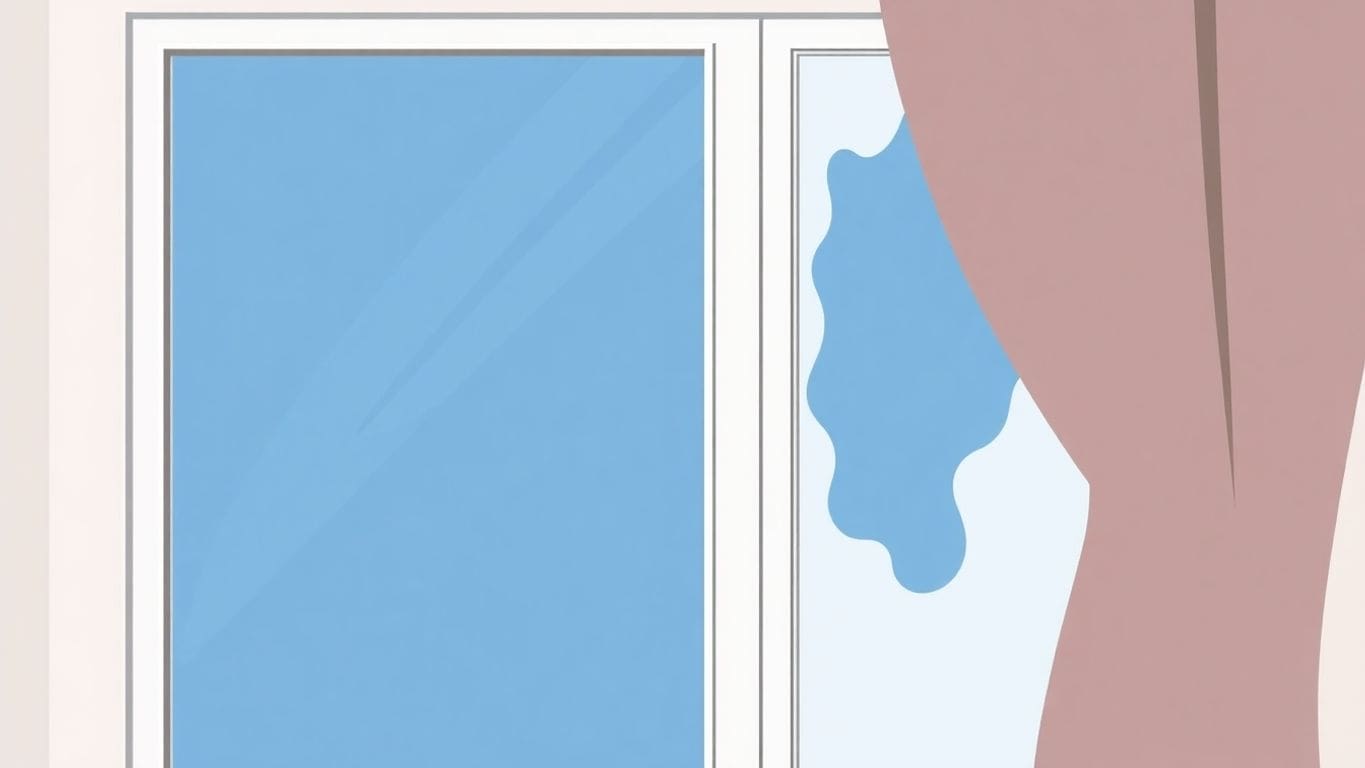
Have you ever noticed stains or discoloration around your windows? It’s not just dirt; it could be a sign of water damage. Water can seep in through cracks or gaps, leading to problems you might not see right away. Keep an eye out for these changes, as they can save you from bigger headaches later on.
Ignoring discoloration around windows can lead to bigger problems like wood rot, mold growth, and structural damage. Addressing it early can prevent costly repairs and maintain your home’s value.
Here’s what to look for:
Take a look around your sinks, tubs, showers, and windows. Do you see any gaps in the caulking or seals? If so, water can get in behind these areas. This can lead to big problems over time. It’s a good idea to check these spots often and fix any gaps you find.
Caulking and seals keep water from going where it shouldn’t. When they fail, it’s like leaving the door open for water damage.
Here’s what to do:
Gaps in caulking or seals are a common way for water to sneak into your home.
Have you ever noticed something odd growing on the outside of your house? It could be a sign of water damage. Moisture can create a perfect home for things like algae or moss. It’s not just about looks; this growth can actually hurt your home.
Ignoring unusual growth can lead to bigger problems. Water can seep into your walls, causing rot and attracting pests. It’s best to check it out sooner rather than later.
Here’s what to look for:
If you see any of these, it’s a good idea to check for leaks or other water problems. Keeping your exterior walls clean and dry can help prevent this kind of growth.
Cracked tiles or grout can be a sign of water damage. It might not seem like a big deal, but these small cracks can let water seep through. This can cause bigger problems down the road. Keep an eye out for these issues in your bathrooms, kitchens, and any other tiled areas.
Tiles and grout protect the surfaces underneath from water. When they crack, they lose their ability to do their job. This can lead to water damage that’s hard to see.
Here are some things to look for:
If you see any of these signs, it’s a good idea to check for water damage. You might need to repair or replace the tiles and grout to prevent further problems.
It’s a good idea to check these areas regularly. This can help you catch problems early and prevent bigger, more expensive repairs.
The first signs of water damage often include stains or discoloration on walls and ceilings, musty odors, and visible water stains.
If your water bills suddenly increase without a change in usage, it could indicate a hidden leak in your home.
If you find mold, it’s important to address the source of moisture and clean the affected area. You may need to call a professional for help.
Yes, water damage can lead to mold growth, which can cause health issues like allergies and respiratory problems.
To prevent water damage, regularly check for leaks, maintain your roof and gutters, and ensure proper drainage around your home.
Living in a house with water damage can be unsafe due to potential mold growth and structural issues. It’s best to address the problem quickly.
If you suspect hidden water damage, inspect your home for signs like musty smells or stains and consider hiring a professional to assess the situation.
The cost to repair water damage can vary widely depending on the extent of the damage, but it can range from a few hundred to several thousand dollars.

Business Owners: Join our insider newsletter for exclusive marketing strategies and growth opportunities for local services business.