Effective Strategies for Mitigating Water Damage in Your Home
Water damage can be a serious issue for homeowners, leading to costly repairs and potential health risks. Understanding how to…



If you’re a homeowner, dealing with water damage can be a nightmare. Not only can it ruin your belongings, but it can also lead to costly repairs. One question that often comes up is whether a home warranty will cover water damage. Understanding the ins and outs of your home warranty coverage is essential before you file a claim. This article breaks down what you need to know about home warranties and water damage, helping you navigate the process more effectively.
Home warranties can be a big help for homeowners. They can pay for repairs or replacements of important home stuff. But, it’s important to know what these plans cover and what they don’t. Let’s take a closer look.
Home warranties usually cover big home systems and appliances. This means things like your HVAC systems, electrical systems, and plumbing could be covered. It’s really important to read the fine print. This way, you know exactly what’s covered and what’s not.
Things that aren’t covered often include problems that were there before you got the warranty, damage from not taking care of things, or damage from outside sources. These limits can change if your claim gets approved. A warranty can help a lot, but it might not cover all types of water damage or every part of your house.
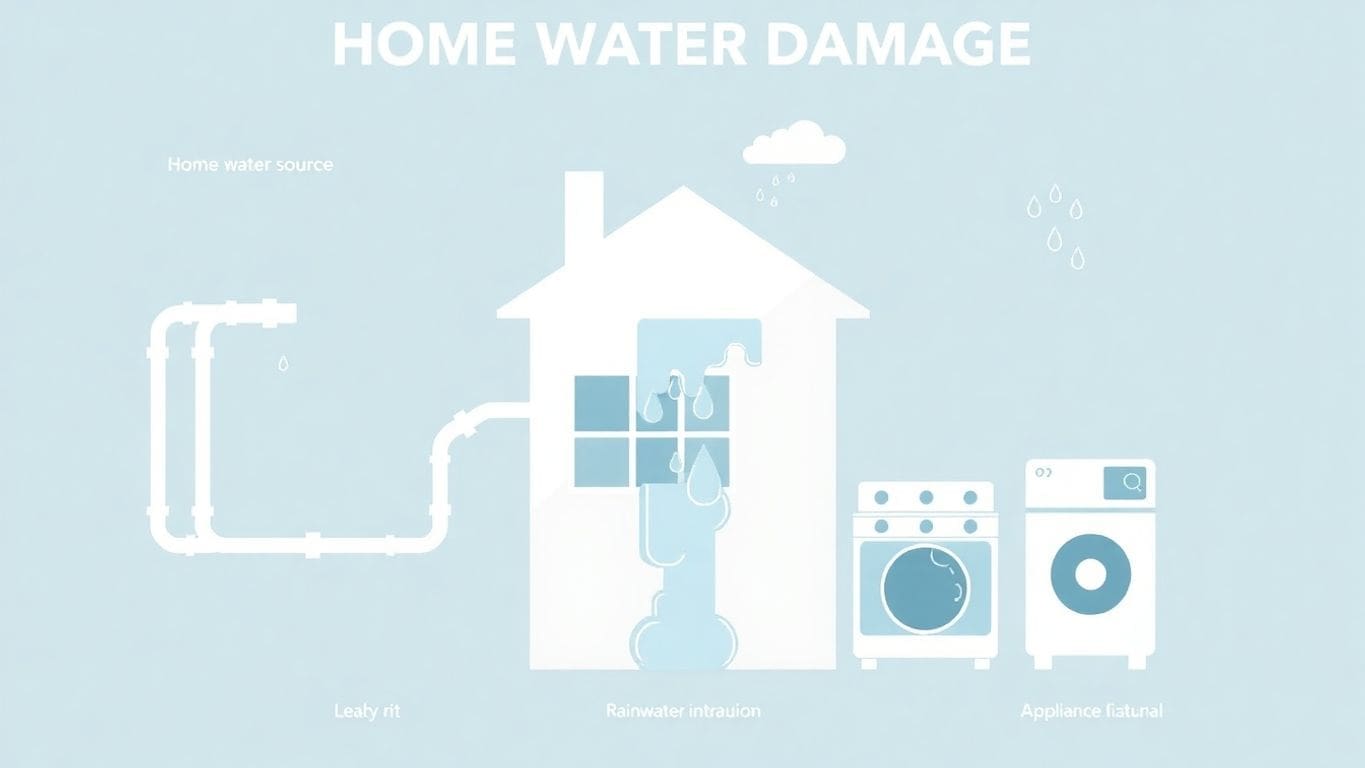
Home warranties usually look at where the water is coming from. Here’s how it usually works:
It’s important to know that once the source of the leak is fixed, the warranty usually won’t pay for the damage the water caused. This is a key thing to remember when you’re dealing with water damage.
Some people think their home warranty will cover all water damage, but that’s not always true. Here are some common misunderstandings:
Water damage can be a real headache. It’s important to know what your home warranty covers when it comes to water issues. Let’s break down the common causes, what’s usually covered, and what you, as a homeowner, are responsible for.
Water damage can come from different places. Sometimes it’s from plumbing problems like burst pipes or a leaky water heater. If these things break down, your home warranty might help pay for repairs or even replacements. Appliances, like your fridge, can also cause water damage if they malfunction. If your fridge starts leaking because something went wrong inside, your warranty could cover fixing it.
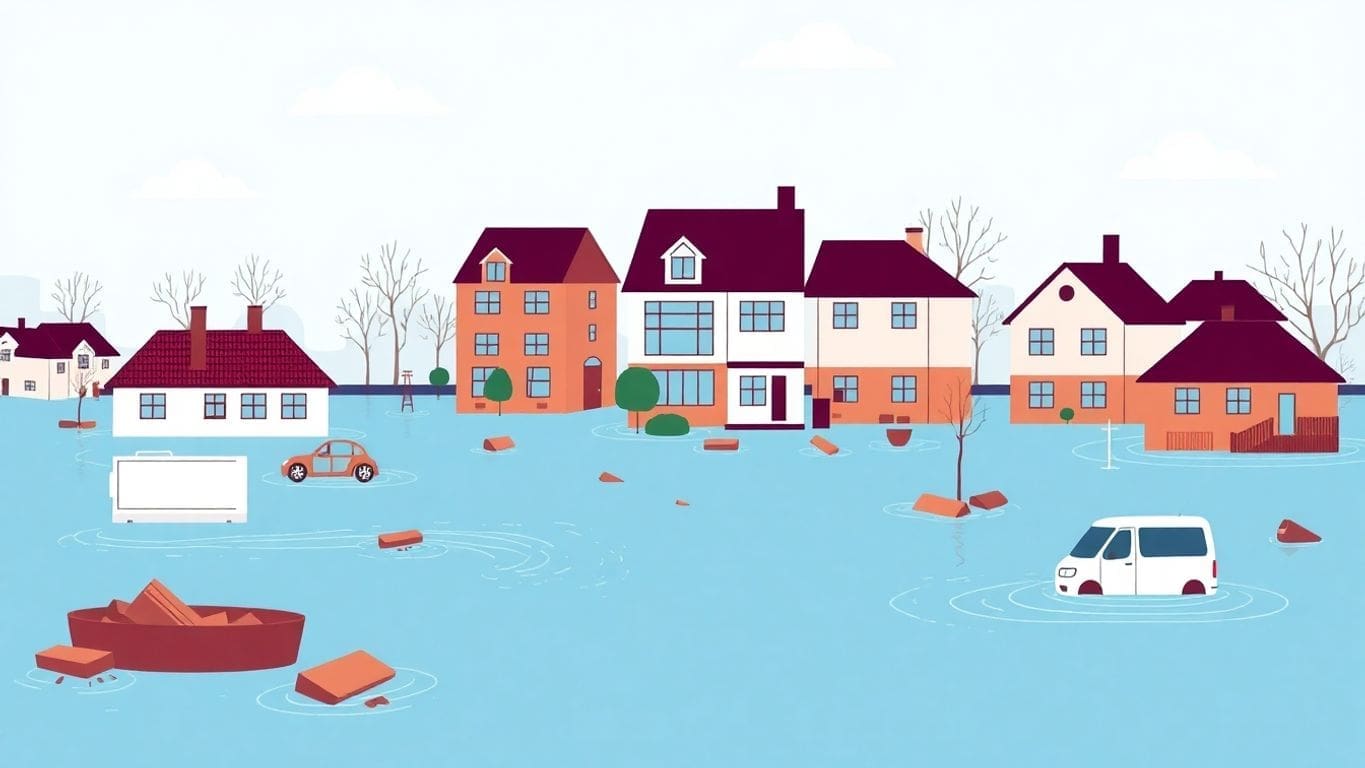
However, keep in mind that weather-related water damage, like flooding, is usually not covered. It’s a good idea to know what your warranty includes so you’re ready for anything.
There are some situations where your home warranty won’t cover water damage. If the damage is because you didn’t take care of your home, like ignoring a leaky faucet for months, you might be out of luck. Homeowners need to do regular maintenance, like checking the water heater and making sure the plumbing is in good shape. If you don’t, and something breaks, the warranty might not cover it.
It’s important to read your warranty carefully so you know what’s expected of you. This helps keep your warranty valid and protects your home.
It’s important to know the difference between water damage and water leaks when it comes to your home warranty.
It’s important to know what to expect when you file a claim for water damage. Understanding the process and the costs involved can help you be prepared. Let’s break down what you need to know.
When you spot water damage, the first thing to do is contact your home warranty company. You’ll need to give them all the details about the damage. Many home warranty plans do cover water damage, but it depends on the cause.
After you file, they’ll send a technician to check things out. You’ll usually have to pay a service fee for this visit. The amount can change depending on your plan. Think of it as a small cost compared to what big repairs might cost you. The technician will figure out if your warranty covers the damage and give you an estimate for the repair.
Just like with car insurance, some home warranties have a deductible. This is the amount you pay out of pocket before the warranty kicks in. Let’s say your deductible is $100. If the repair costs $500, you pay $100, and the warranty covers the other $400.
Make sure you know what your deductible is before you need to file a claim. It can help you budget and avoid surprises. Some plans might have higher deductibles for certain types of repairs, so read the fine print.
Water damage repairs can add up fast. A small leak might just need a quick fix, but major damage from a burst pipe can be super expensive. Costs can include:
Your home warranty can help cover some of these costs, but it’s good to have an idea of what things might cost. This helps you understand the financial benefits of your warranty and plan accordingly.
Home warranties are great for fixing broken appliances or systems. But they usually don’t pay for the damage caused by those broken things. That’s where your homeowners insurance comes in. Let’s look at how it can help.
Homeowners insurance can cover water damage if it’s from a sudden and accidental event. For example, if a pipe suddenly bursts and ruins your floor, your insurance might pay to fix the floor. Homeowners insurance often fills the gap that home warranties don’t cover.
Insurance policies aren’t all the same. You need to read yours carefully. Pay attention to your deductible (the amount you pay before insurance kicks in). Also, check the coverage limits (the maximum amount the insurance will pay). Some policies have exclusions, meaning they don’t cover certain types of water damage. For example, they might not cover flood damage or damage from a leak that happened slowly over time. It’s important to understand the protection your plan offers.
Think of your home warranty and homeowners insurance as a team. The home warranty fixes the broken appliance or system. The homeowners insurance pays for the damage the broken thing caused. For example, say your washing machine floods your laundry room. The home warranty might pay to fix the washing machine. The homeowners insurance might pay to replace the damaged drywall and flooring. It’s a good idea to keep both your warranty and insurance policies up to date.
Taking steps to prevent water damage can save you a lot of money and stress. Regular checks and quick fixes can stop small problems from becoming big disasters. Let’s look at some ways to keep your home safe and dry.
Keeping up with regular maintenance is key. It’s like going to the doctor for a check-up, but for your house. Here are some things you should do:
Spotting water damage early can make a big difference. The sooner you find a problem, the easier and cheaper it will be to fix. Here’s what to look for:
It’s a good idea to walk around your house every few months and look for these signs. Pay attention to areas that are prone to moisture, like bathrooms and basements. If you see something that doesn’t look right, don’t ignore it.
Fixing problems quickly is super important. A small leak can turn into a major flood if you don’t take care of it. Here’s why timely repairs matter:
If you find a leak or any other sign of water damage, call a professional right away. Don’t wait until it gets worse. You can also contact us to talk through your options.
Sometimes, the basic home warranty plan might not cover everything you need. That’s where add-on coverage comes in. Think of it as extra protection for specific things that could go wrong in your home.
Some home warranty companies let you add extra coverage for water leaks. This can be helpful if you live in an area with older pipes or if you’re worried about specific appliances that could leak. This enhanced coverage might include things like leaks from roofs, windows, or even slow leaks that can cause damage over time. It’s a good idea to check what the add-on covers and what it doesn’t before you buy it.
It’s important to know that even with add-on coverage, there might still be limits. For example, some plans might only cover the cost of repairing the leak, but not the damage the water caused. Always read the fine print so you know exactly what’s covered and what’s not. This helps you avoid surprises later on when you file a claim. Knowing the limits can save you money and stress.
Before you get add-on coverage, think about what you really need. Do you live in an area with a lot of storms? Do you have older appliances that are more likely to break down? Consider your home’s age, location, and the condition of your systems and appliances. This will help you decide if the extra coverage is worth the cost. Also, compare the cost of the add-on to the potential cost of repairs. For example, if you have a history of plumbing problems, built-in systems coverage might be a smart choice.
Add-on coverage can give you extra peace of mind, but it’s not always necessary. Take the time to understand what your basic plan covers and what your risks are before you decide to buy more coverage.
It’s good to know what can cause water damage in your home. This way, you can be ready if something happens. Here are some common situations that lead to water problems.
Pipes can burst, especially in cold weather. When water freezes, it expands and can break pipes. Old or weak pipes can also fail. A burst pipe can release a lot of water quickly, causing major damage. Keep an eye on your plumbing. If you see any leaks or drips, fix them fast. This can prevent bigger problems later. Also, consider insulating your pipes if you live in a cold area. This helps keep them from freezing.
Appliances like washing machines, dishwashers, and refrigerators use water. If they break down, they can leak. For example, a washing machine hose might burst, or a dishwasher might overflow. Check your appliances regularly for leaks or strange noises. Make sure hoses are in good shape. Replace them if they look worn. Regular maintenance can help you avoid appliance-related water damage.
Heavy rain, snow, and storms can cause water damage. Rain can get into your home through a leaky roof or windows. Flooding can also happen, especially if you live in a low-lying area. Here are some things you can do:
Weather-related water damage can be hard to prevent, but taking these steps can help reduce the risk. Also, consider getting flood insurance if you live in an area prone to flooding.
Knowing these common water damage scenarios can help you protect your home. Regular checks and quick repairs can save you a lot of trouble and money. If you do experience water damage, remember to act fast to minimize the impact. Contact water damage restoration professionals if needed.
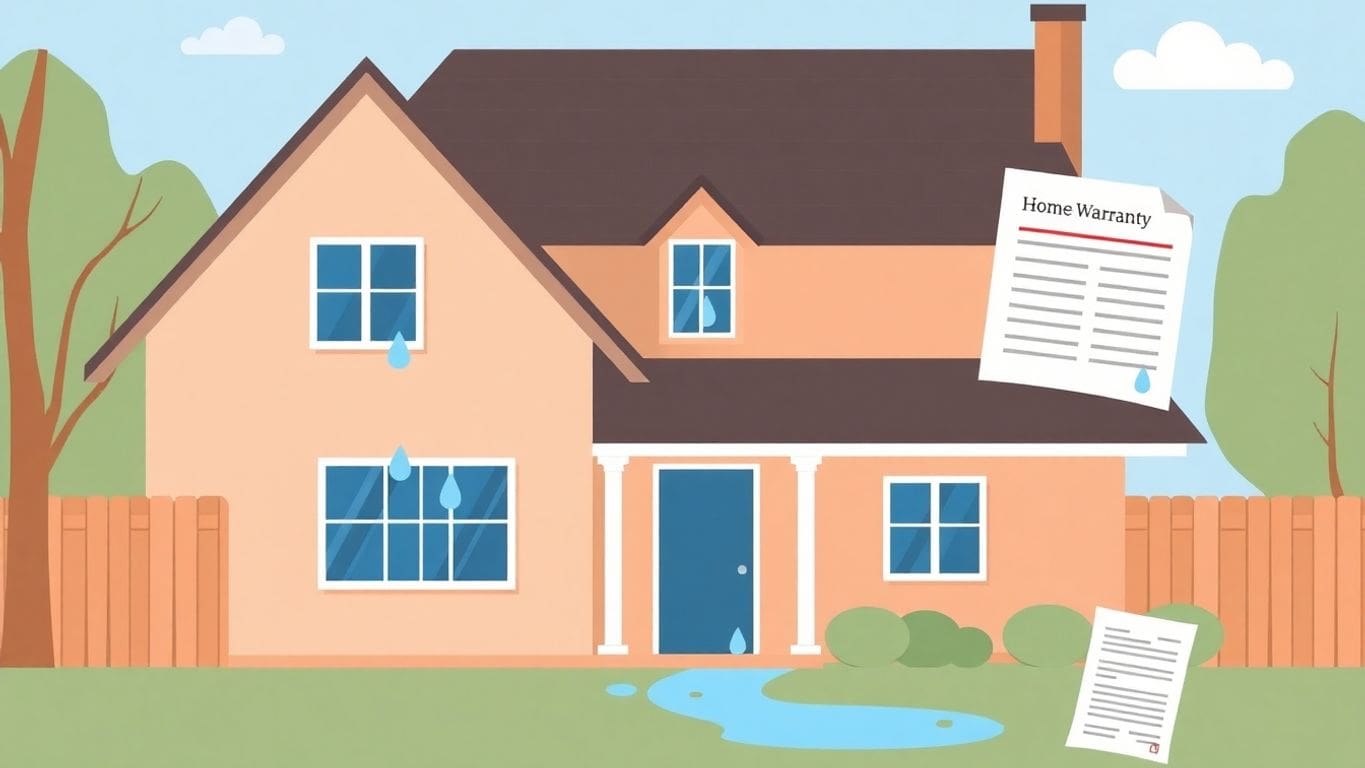
So, you’ve found water damage? Don’t panic! First, make sure everyone is safe. Then, stop the water source if you can. For example, turn off the water valve if a pipe burst. Next, it’s time to call your home warranty company. The sooner you report the damage, the better.
Here’s a quick list:
Remember, acting fast can prevent more damage and make the claims process smoother.
To file a claim, you’ll need to show the warranty company what happened. Take lots of pictures and videos of the water damage. Write down when you noticed the damage and what you think caused it. Also, gather any papers related to your emergency supplies or past repairs. The more info you have, the easier it will be for them to process your claim.
Here’s what you might need:
After you file a claim, the warranty company will send a service technician to check out the damage. Be ready to show them the problem and answer their questions. Ask them about what they find and what repairs they suggest. Make sure you understand what the warranty covers and what it doesn’t. Keep notes of all conversations and get everything in writing. This helps avoid confusion later on. Remember, the technician is there to help, so work with them to get your home back in shape. A good technician can help you understand your home warranty better.
It’s super important to know what your home warranty and homeowner’s insurance cover. Read both policies closely. Know what is covered and, just as important, what isn’t. This helps you avoid surprises later.
Keep good records of everything. This includes any water damage, repairs you’ve made, and any claims you’ve filed. Having all this information in one place makes things easier if you need to file a claim or deal with ongoing issues.
If you see a leak or any sign of water damage, act fast! The longer you wait, the worse the damage can get. Contact your warranty provider right away to start the claim process. Quick action can save you a lot of money and stress in the long run. Delaying repairs can lead to bigger problems and more expensive fixes.
Think of it like this: a small drip can turn into a flood if you don’t take care of it. Addressing problems early can prevent major headaches later on.
Most home warranties do not cover water damage. They mainly focus on fixing or replacing appliances and systems that break down due to normal wear and tear.
Home warranties often cover problems like leaking pipes or broken water heaters. If these systems fail, the warranty can help pay for repairs.
Yes, if water damage is caused by neglect or lack of maintenance, it typically won’t be covered. For example, ignoring a small leak can lead to bigger problems that won’t be paid for.
Contact your home warranty provider right away to report the damage. They will guide you on how to file a claim.
Yes, there is usually a service fee when you file a claim. This fee varies depending on your warranty plan.
Homeowners insurance often covers water damage, especially if it’s caused by sudden events like a burst pipe. It’s important to check your policy for details.
Some home warranty companies offer add-on coverage for specific water-related issues, but this may not cover all repairs or damages.
Regularly check your plumbing and appliances for leaks, and fix any issues quickly to avoid bigger problems later.

Business Owners: Join our insider newsletter for exclusive marketing strategies and growth opportunities for local services business.