Can You Deduct Home Water Damage on Taxes? Understanding Your Tax Benefits
If you’ve ever dealt with water damage in your home, you might be wondering about the financial implications. Specifically, can…



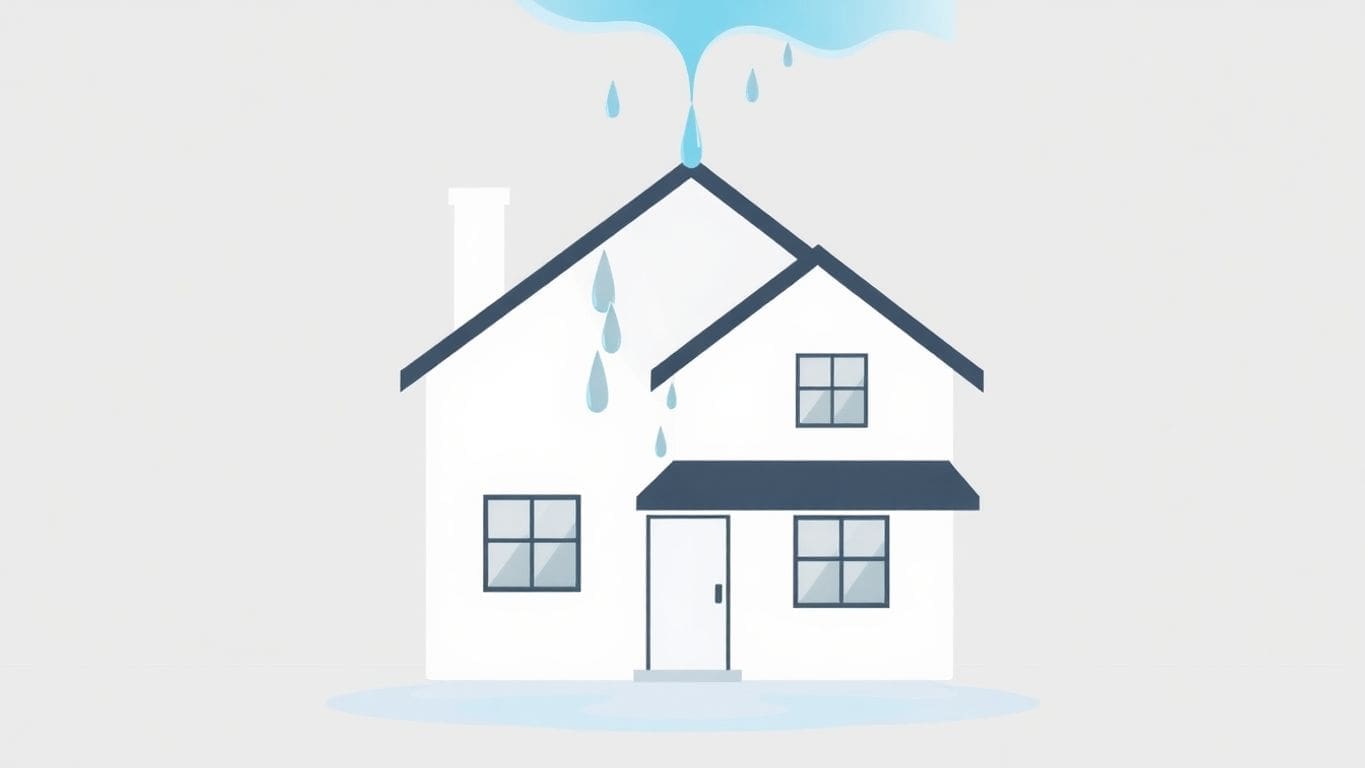
Water damage is more than just a pesky problem—it’s a serious threat to both your home and your health. From burst pipes to sneaky roof leaks, water can wreak havoc, often leading to mold, structural damage, and even health issues. Mold, in particular, loves damp spots and can cause allergies, asthma, and other respiratory troubles. In this article, we’ll break down the health risks of water damage and share tips on how to keep your home safe and sound.
Spotting water damage early can save you a lot of trouble. Here are some signs to watch out for:
Look around your home for any unusual stains or discoloration on walls, ceilings, or floors. These marks often appear yellowish or brown and can indicate water has seeped into your home. Don’t ignore these signs, as they might mean there’s a bigger problem hidden beneath the surface.
A musty smell is a common indicator of mold. Mold loves damp places, and if you catch a whiff of something musty, it’s time to investigate. Mold can be sneaky, growing behind walls or under carpets where you can’t see it easily. It’s not just about the smell; mold can be harmful to your health, causing allergies and breathing issues.
Check for any warping or buckling in floors, walls, or ceilings. Water can cause wood and other materials to swell and warp, leading to uneven surfaces. If you notice your floorboards are uneven or your walls are bulging, it’s a sign that water has made its way into your home.
Water damage can start small, but it doesn’t stay that way. Catching it early can prevent bigger problems down the road. Keep your eyes and nose open for these signs to protect your home and health.
If you’re noticing these signs, it might be time to consider the types of water damage that could be affecting your home. Understanding whether it’s clean, gray, or black water damage can help you know what steps to take next. Stay alert and proactive to keep your home safe.
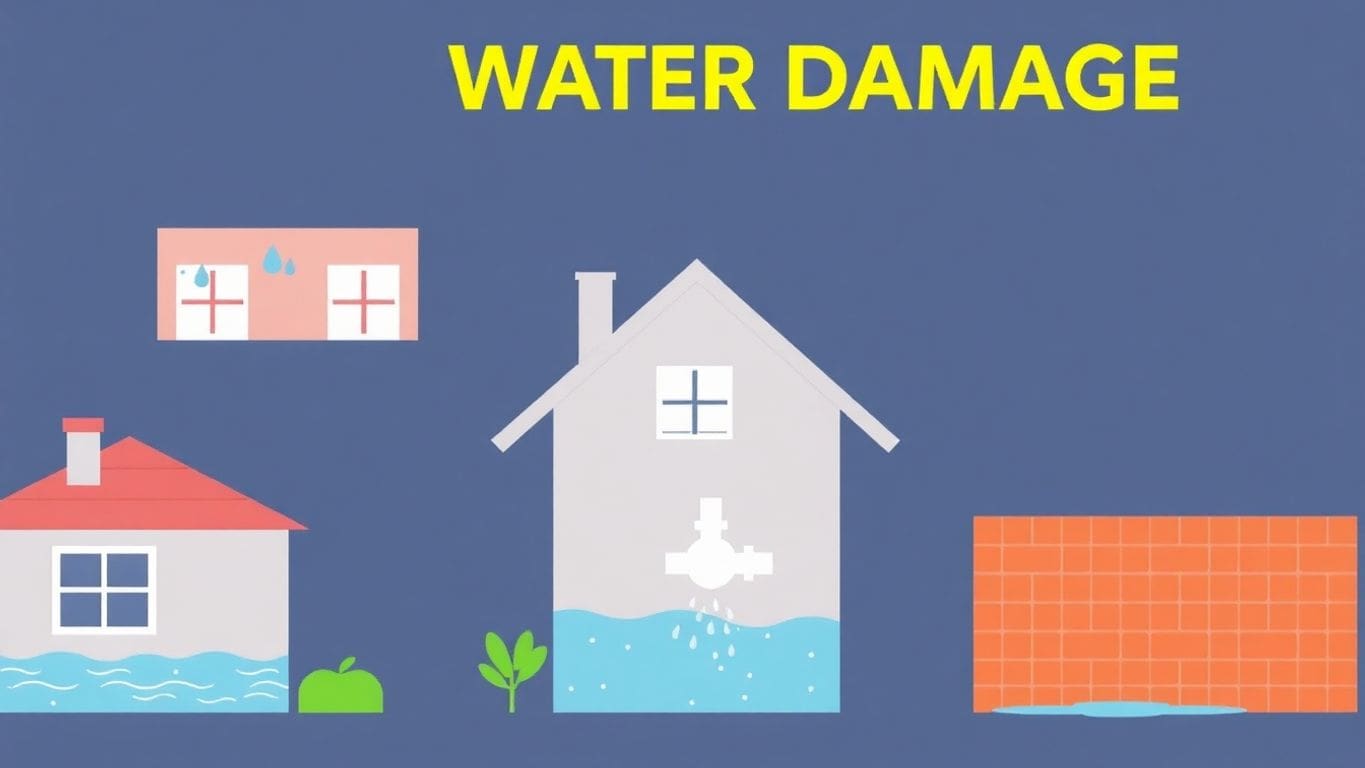
Ever had a pipe burst in the middle of the night? It’s a real pain. Burst pipes and plumbing leaks are major culprits of water damage. Cold weather can make pipes freeze and then burst. Even a small leak can lead to big problems if not fixed. So, keep an eye on your plumbing and fix leaks right away.
Your roof is supposed to keep water out, but sometimes it doesn’t. Heavy rain, snow, or wind can damage your roof. This can cause leaks. If you spot water stains on your ceiling, it might be a roof leak. It’s best to check your roof after a storm to catch any issues early.
Appliances like washing machines, dishwashers, and water heaters can cause water damage too. If they break or overflow, you could have a mess on your hands. Regular maintenance can help prevent these problems. Make sure hoses and connections are secure and replace them if they look worn out.
Water damage can happen in unexpected ways. It’s not just a plumbing issue. It can come from your roof or even your appliances. Stay alert and check things regularly to protect your home.
Mold can be a sneaky problem in your home, especially after water damage. It’s not just about the ugly spots on the wall. Mold can make you sick, too. Here’s what you need to know:
When mold grows, it releases tiny spores into the air. Breathing in these spores can trigger allergic reactions. You might start sneezing or get a runny nose. Mold can also make asthma worse. If you have asthma, mold can cause more frequent attacks. It’s important to address mold issues quickly to keep your air safe to breathe.
Mold doesn’t just cause short-term problems. If you live with mold for a long time, it can lead to chronic respiratory issues. This means you might have trouble breathing or develop a cough that just won’t go away. Even if you’re healthy, mold can still affect your lungs over time.
Some people are more at risk from mold than others. If you have a weak immune system, mold can lead to infections. This includes people with conditions like HIV, cancer, or those who have had organ transplants. Babies and older adults are also more vulnerable. Keeping your home mold-free is crucial for their health.
Living with mold isn’t just uncomfortable; it’s a health risk. By understanding the dangers, you can take steps to protect your family. Regular checks and quick cleanups can make a big difference.
When water sneaks into your home, it can bring more than just mold and mildew. It can also carry harmful chemicals. These chemicals come from everyday items like paints, cleaning products, and even building materials. Let’s explore how these chemicals can affect you and what you can do to stay safe.
When water damage happens, it can dissolve chemicals from various sources:
Breathing in or touching these chemicals can lead to health problems. You might experience:
Keeping your home safe from chemical contamination is important. Here’s how you can do it:
Remember, water damage isn’t just about mold. Chemicals can be just as dangerous, so take action to protect your health and your home.
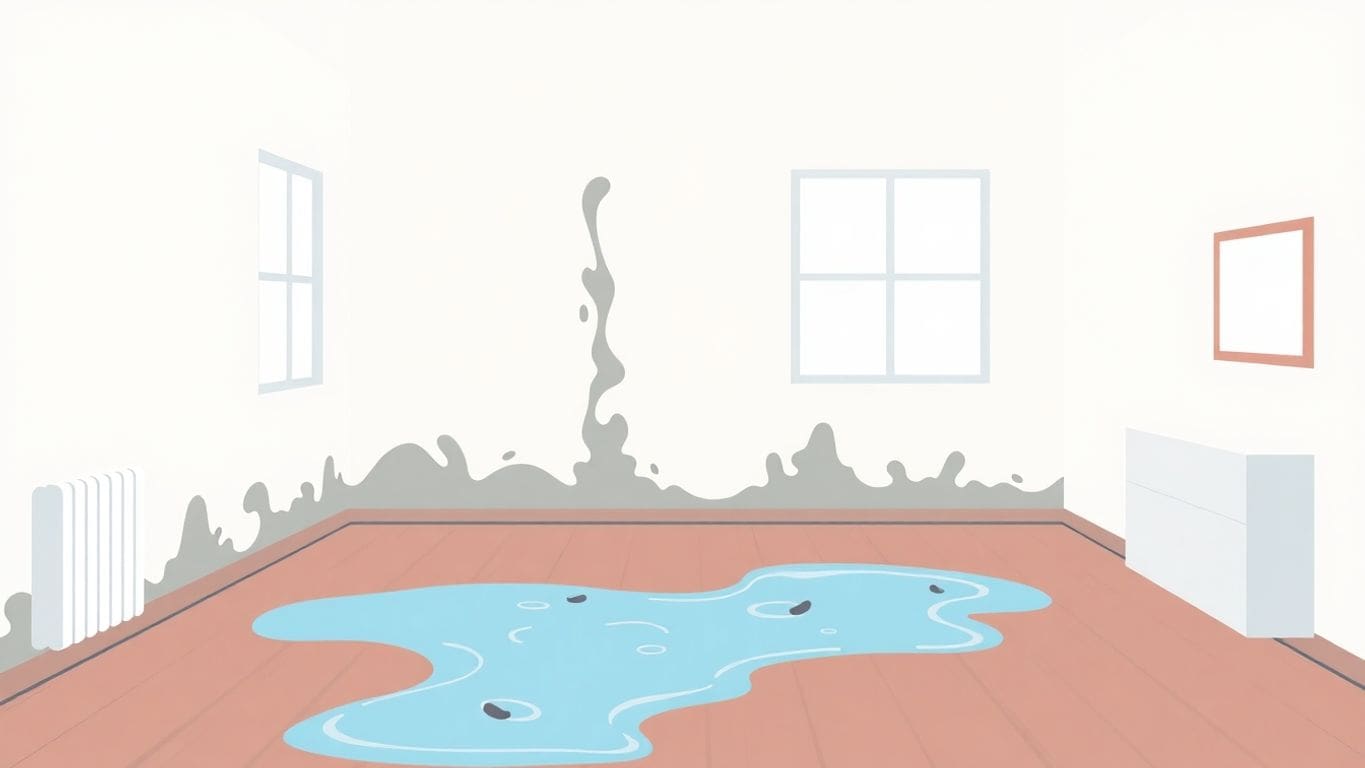
Water damage is more than just a problem for your home. It can also affect your health. When water sits in your home, it can become a breeding ground for bacteria and viruses. These tiny invaders can make you sick if you’re not careful.
When water seeps into your home, it can bring along bacteria and viruses. These germs thrive in damp places. If you touch or breathe in these germs, you could get sick. It’s like when you catch a cold from someone else, but this time, it’s from the water.
Infections can show up in different ways. You might get a rash or skin infection from touching contaminated water. Breathing in germs can lead to respiratory problems, like a cough or trouble breathing. It’s important to keep your skin dry and avoid breathing in damp, moldy air.
There are steps you can take to stay safe:
Taking these steps can help keep you and your family healthy. Remember, it’s not just about fixing your home, but also about protecting your health.
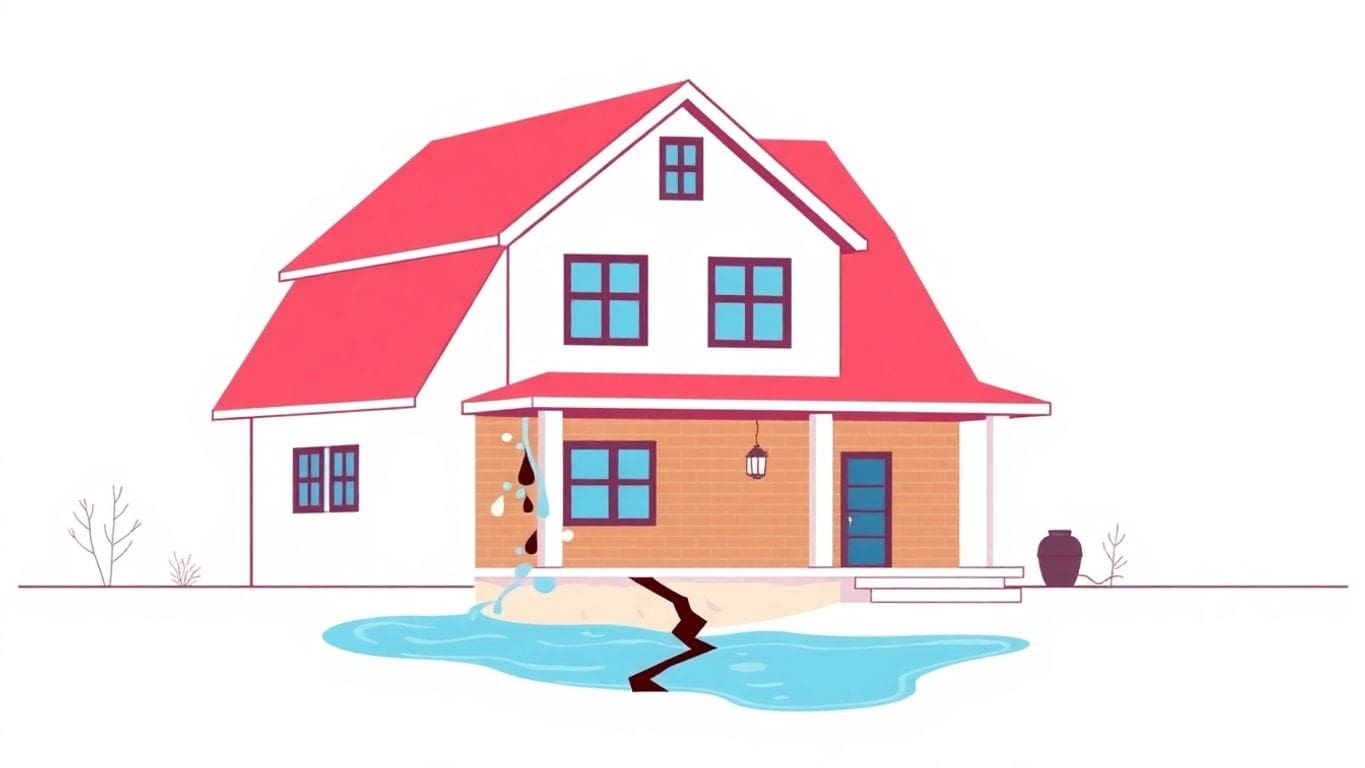
Water damage isn’t just about wet carpets or stained walls. It can lead to serious structural issues in your home, making it unsafe to live in. Here’s what you need to know about the dangers lurking behind water damage.
When water seeps into your walls or foundation, it can weaken these structures over time. You might notice cracks in the walls or even sagging ceilings. These signs mean your home’s structure is compromised. If not addressed, this can lead to more severe problems like collapsing walls or floors.
Water and electricity are a dangerous mix. If water reaches your electrical systems, it can cause short circuits or even fires. Be on the lookout for flickering lights or buzzing outlets, which could indicate water damage. It’s crucial to have a professional check your wiring if you suspect any issues.
To keep your home safe, regular inspections are key. Make it a habit to check for water stains, soft spots in the walls, or any signs of mold. Use tools like moisture meters to detect hidden dampness. If you find any issues, don’t hesitate to call in a professional. They can assess the damage and help you take steps to prevent further problems.
Always remember, acting quickly can save you a lot of trouble and expense in the long run. Don’t wait until it’s too late to address water damage in your home.
Leaving water damage unchecked can really hurt your home’s worth. When you go to sell, buyers might be scared off by water stains or mold. Even if you fix it later, the history of damage can still make them wary. You might have to lower your asking price or deal with tough negotiations.
If water damage isn’t fixed, it can lead to health problems. Mold loves damp places and can grow fast. Breathing in mold spores can cause allergies and make asthma worse. Some people might get headaches or skin rashes too. Ignoring the problem can be risky for your health.
The longer you wait, the worse the damage gets. Small leaks can turn into big problems. Water can rot wood, weaken walls, and even mess up your home’s foundation. Fixing these issues can be expensive. It might start with a simple repair, but untreated water damage can lead to major renovations.
Water damage is like a ticking time bomb. The longer it sits, the more it costs you. Addressing it quickly can save you a lot of money and trouble in the long run.
Water damage can be a major headache, but with the right steps, you can protect your home. Regular inspections are a key part of keeping your house safe. Check for leaks and signs of water damage often.
Taking these steps not only protects your home but also keeps your family healthy. Water damage can lead to mold and other issues, so it’s worth the effort to prevent it.
In case of water damage, act quickly. Shut off the water source, remove standing water, and disinfect affected areas. Effective strategies like these can make a big difference in keeping your home safe.
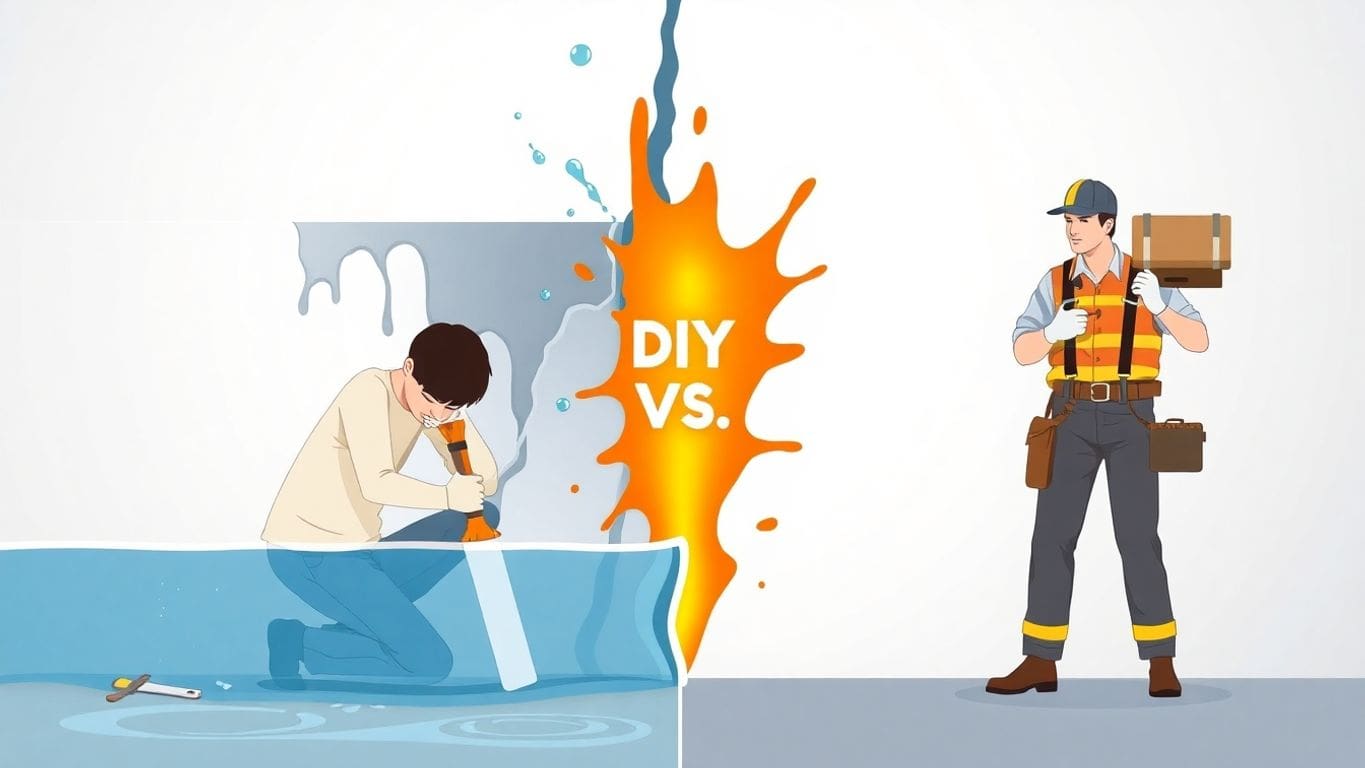
When water damage hits, it’s tempting to tackle the mess yourself. But hiring professionals can save you a lot of trouble. Experts have the right tools and know-how to handle everything from minor leaks to major floods. They can spot hidden problems like mold or structural damage that you might miss.
Professionals don’t just clean up the water. They assess the entire situation. They check for damage you can’t see, like behind walls or under floors. This thorough approach ensures that your home is truly safe and sound.
The recovery process involves more than just drying things out. It includes cleaning, repairing, and restoring your home to its original state. Sometimes, this means replacing drywall or flooring. Other times, it involves treating areas to prevent mold. The goal is to make your home as good as new.
Hiring a professional restoration service ensures your home is treated thoroughly and quickly, reducing the risk of further damage and health issues.
Choosing the right water damage restoration company is crucial. Look for companies with IICRC certification, trained personnel, and a solid track record. Quick response times are essential to prevent further damage and mold growth.
Water damage can be a big headache, and dealing with insurance makes it even trickier. Let’s break it down so you know what to expect.
Insurance policies can vary a lot. Some cover specific water damage like from burst pipes, while others might not cover flood damage at all. It’s really important to check your policy and know exactly what it includes. You might find terms like "water backup" or "sudden and accidental" in your policy. These words are key to understanding what situations are covered.
Filing a claim can seem like a mountain to climb, but with a few steps, it can be smoother:
An insurance adjuster will likely visit your home to assess the damage. Be honest and thorough in explaining what happened. They’re there to help, but they also work for the insurance company. Having your documentation ready can make this process easier.
Knowing your insurance coverage can save you a lot of stress when water damage occurs. Make sure you understand your policy and keep communication open with your insurer. It’s better to be prepared than caught off guard!
Water damage can be a real headache, but there are steps you can take to stop it before it starts. Prevention is better than cure, so let’s dive into some simple ways you can keep your home safe and dry.
Regularly check your home for signs of water leaks or damage. Look at your roof, walls, and foundation. Don’t forget about your pipes and appliances. Catching small problems early can save you from big troubles later on.
Sometimes, older homes need a little updating. Consider upgrading your plumbing or adding water-resistant materials. These changes can make a big difference in preventing water damage. You might also want to think about installing a sump pump if your area is prone to flooding.
Be ready for anything. Have a plan for what to do if your home starts to flood. Keep important documents in a safe place, and make sure everyone in your family knows the plan. A little preparation can go a long way in keeping your home safe.
"Water damage is not just about the immediate mess; it’s about preventing future issues. Taking simple steps now can save you a lot of trouble down the road."
Mold can start to grow within just a day or two after water damage happens.
Yes, water damage can lead to health problems, especially if mold grows. It can cause allergies, breathing problems, and other health issues.
Look for water stains, musty smells, peeling paint, warped floors, or mold spots.
Small water spills might be okay to handle yourself, but big problems or mold should be dealt with by professionals.
Untreated water damage can weaken your home’s structure, cause mold growth, and lower your home’s value.
It depends on your policy. Some insurance plans cover water damage, but others might not. Always check with your insurance provider.
Common causes include broken pipes, leaky roofs, overflowing appliances, and heavy rain.
Regularly check your home for leaks, keep gutters clean, and make sure your home is properly sealed against water.

Business Owners: Join our insider newsletter for exclusive marketing strategies and growth opportunities for local services business.