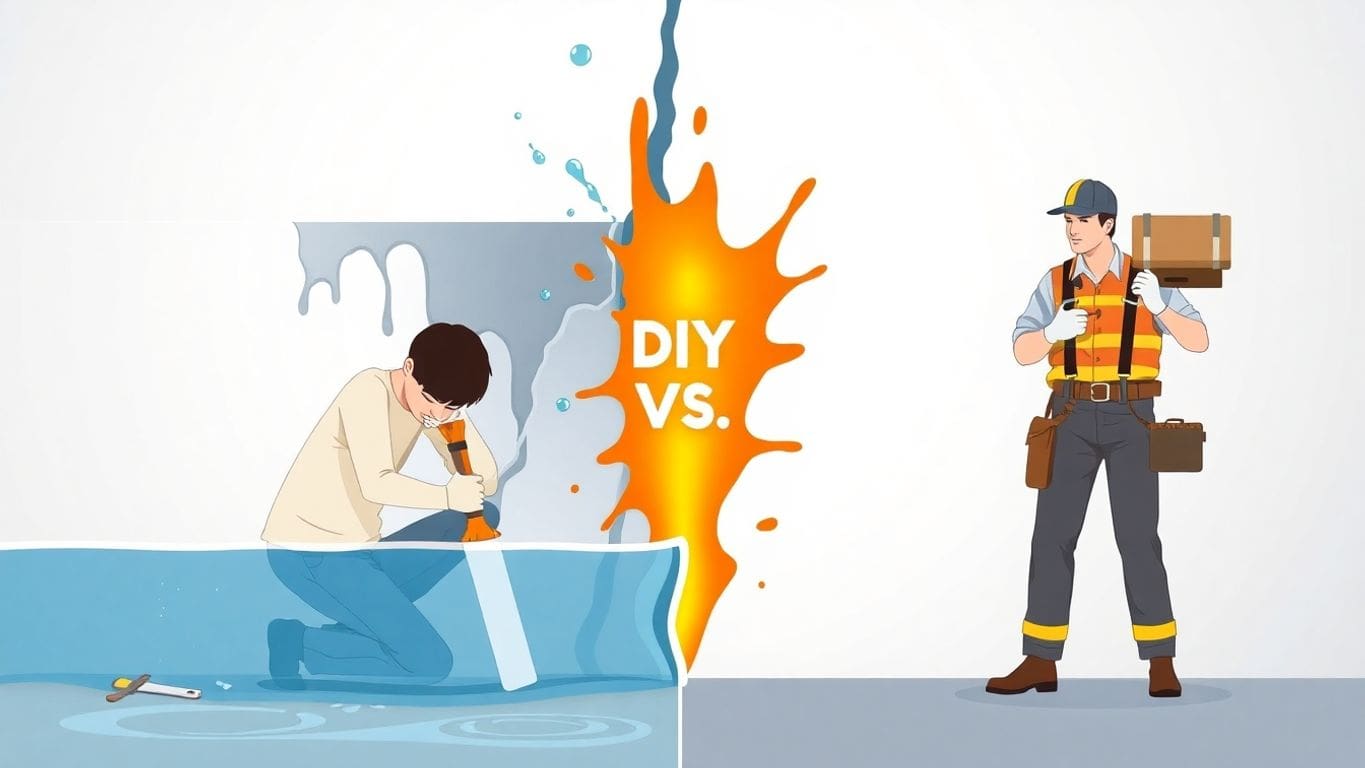
DIY Water Damage Repair vs. Hiring a Professional: Making the Right Choice for Your Home
Water damage can strike at any time, leaving homeowners in a tough spot. Whether it’s from a burst pipe, a…



Water damage is no joke. It can hit your wallet hard and turn your home life upside down. The good news? Most of it is preventable. By staying on top of maintenance and making a few smart choices, you can save yourself a lot of stress and money. This guide will walk you through the best ways on how to protect your home from water damage. Let’s get started.
Small leaks can cause big problems if ignored. Look under sinks, around toilets, and near appliances like dishwashers and washing machines. Even a slow drip can waste gallons of water over time. Check for rust, discoloration, or bulging on pipes—these are signs of corrosion. If you spot anything odd, fix it right away or call a professional.
Older pipes can fail unexpectedly, leading to water damage. Consider replacing pipes made of outdated materials like galvanized steel. Modern materials like PVC or PEX are more reliable. Also, update old fixtures that may leak or not seal properly. This can save you money on repairs and reduce water waste.
Water leak detectors are a smart investment. These small devices can alert you to leaks before they become major problems. Some even shut off the water automatically when they detect a leak. Place them near water heaters, washing machines, and sinks for extra peace of mind.
Your roof is your home’s first shield against water. A small problem, like a missing shingle, can lead to big issues like leaks or mold. Inspect your roof at least twice a year. Look for things like cracked tiles, sagging spots, or damaged flashing (the metal around vents and chimneys). Fixing small issues early can save you from costly repairs later.
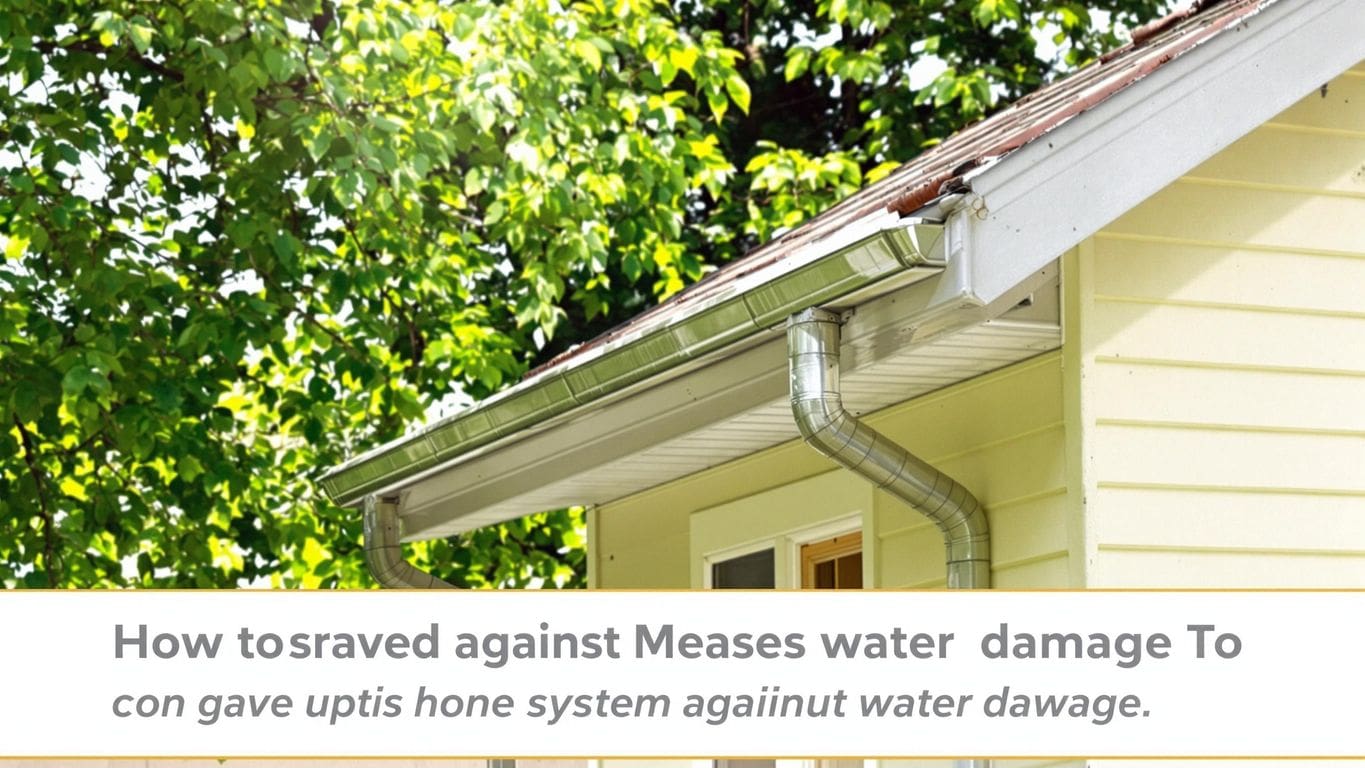
Gutters play a key role in moving rainwater away from your home. If they’re clogged with leaves, dirt, or even moss, water can overflow and damage your walls or foundation. Clean them out at least every season. You can also install gutter guards to keep debris out and reduce your workload.
Your gutters and downspouts should direct water at least 6 feet away from your foundation. If water pools near your home, it can seep into your basement or weaken your foundation. Check that your downspouts are clear and positioned correctly. Adding extensions or splash blocks can help keep water moving in the right direction.
A little effort to keep your roof and gutters in shape goes a long way. It’s one of the simplest ways to prevent water damage and protect your home.
Windows are often a weak spot when it comes to keeping water out. Over time, the seals around your windows can crack or wear down, letting moisture seep in. This can lead to water damage inside your walls, which is expensive to fix.
Doors are another common entry point for water, especially during heavy rain or storms. If the weatherstripping around your doors is damaged or missing, water can easily sneak in.
If you live in an area prone to harsh weather, storm windows can be a smart investment. They add an extra layer of protection against water and wind.
Taking the time to seal vulnerable entry points now can save you a lot of headaches and money in the long run. A little maintenance goes a long way in protecting your home from water damage.
Your basement and foundation are the backbone of your home. Over time, small cracks can form in the foundation, letting water seep inside. This can lead to big problems like mold and structural damage.
A sump pump can be a lifesaver during storms or heavy rains. It removes water that collects in your basement before it causes flooding.
A working sump pump can save you thousands of dollars in water damage repairs. Don’t skip this step if you live in a flood-prone area.
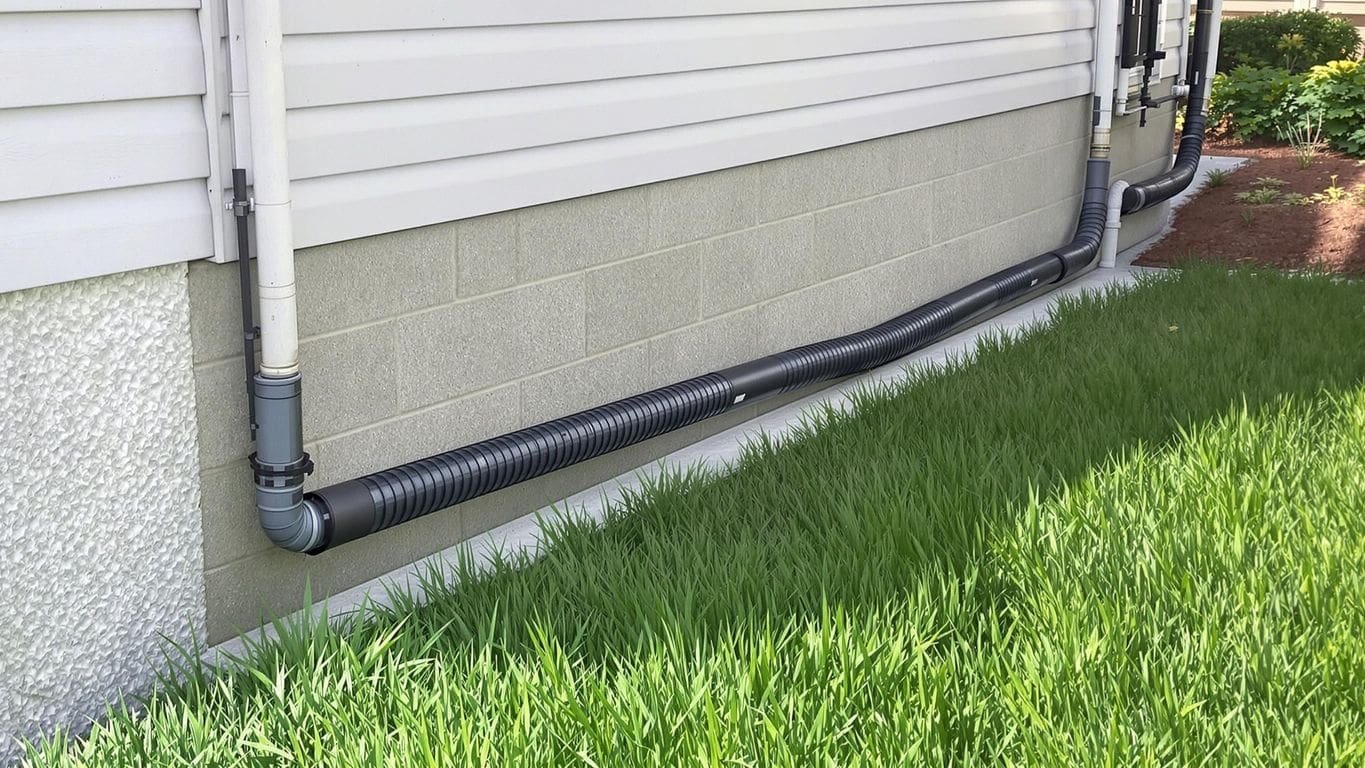
Water pooling around your home’s foundation can lead to seepage and damage over time. Proper grading helps direct water away.
Small steps like these can make a huge difference in keeping your basement dry and safe.
When severe weather strikes, being ready can save you a lot of stress. Plan ahead by creating a flood emergency plan for your family. Make sure everyone knows the safest evacuation routes from your home. Keep a list of emergency contacts handy, and decide on a meeting spot in case you get separated.
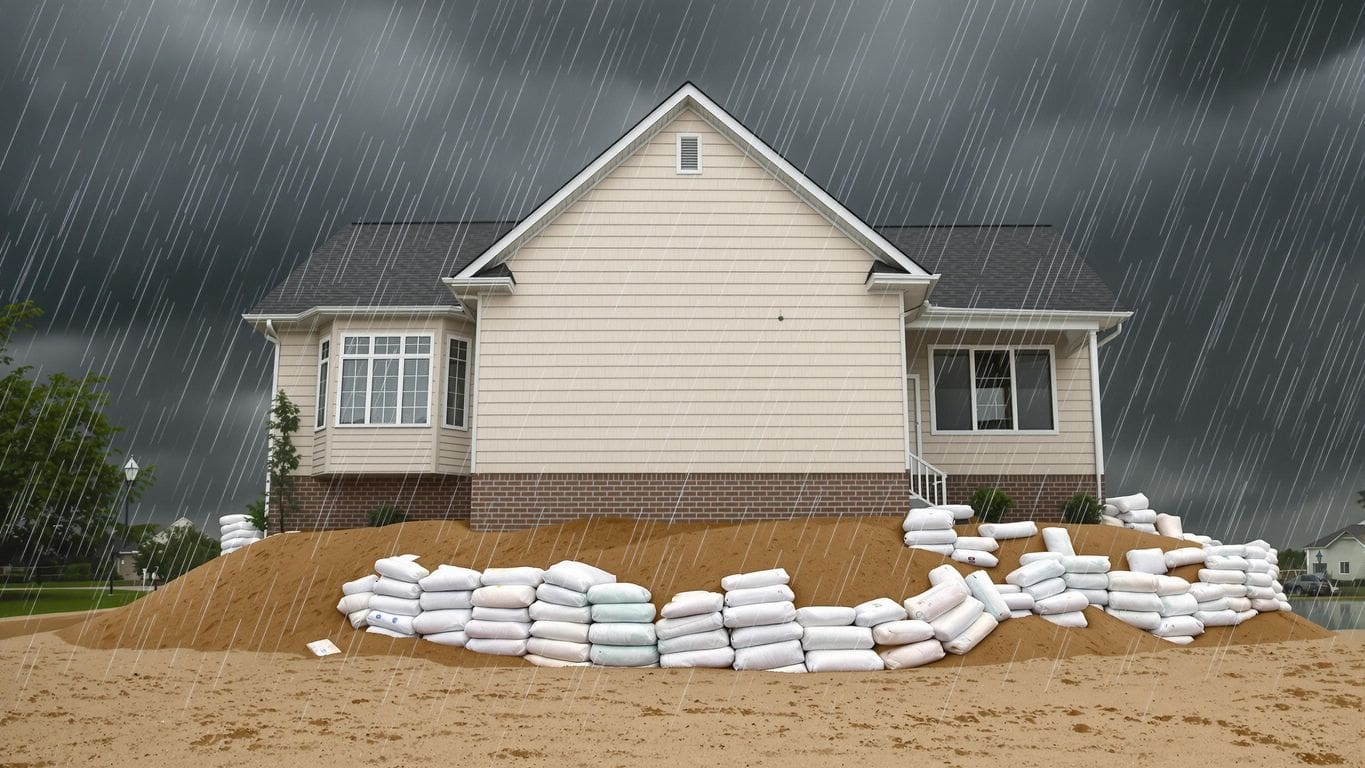
If you live in a flood-prone area, having flood barriers or sandbags ready is a smart move. These can help keep water out of your home during heavy rains. Place them around doorways, windows, or any low areas where water might enter. It’s a simple step that can make a big difference.
High winds and heavy rain can turn outdoor items into dangerous projectiles. Secure items like patio furniture, grills, and garden tools before a storm hits. If possible, bring them inside. This not only protects your belongings but also reduces the risk of damage to your home or your neighbors’ homes.
Taking small steps to prepare for extreme weather can save you from big headaches later. A little effort now can protect your home and give you peace of mind when storms roll in.
Start by reading your homeowners insurance policy carefully. Make sure you understand what it covers and what it doesn’t. Most policies don’t cover flood damage, so knowing this ahead of time can save you from unpleasant surprises. If you’re unsure about the details, call your insurance company and ask questions. They’re there to help.
If you live in an area prone to flooding, you might need separate flood insurance. Regular homeowners insurance typically doesn’t include this. Flood insurance can cover damage to your home and belongings caused by rising water. It’s an extra cost, but it could save you thousands in the long run.
Take the time to create an inventory of your belongings. Use your phone to snap pictures or record videos of each room. This makes it easier to file a claim if water damage occurs. Don’t forget to include valuable items like electronics, jewelry, or furniture. Keep this record in a safe place, like a waterproof box or cloud storage.
Having the right insurance coverage is like having a safety net. It won’t stop water damage, but it can make recovery a lot easier.
Choose sturdy, waterproof bins to store items that aren’t in daily use, like holiday decorations or seasonal clothing. These bins protect your belongings from water damage and even keep out pests. Make sure the lids seal tightly for the best protection.
Basements are often the first place to flood. Keep your belongings safe by placing them on shelves or pallets. Even a few inches off the ground can make a big difference during minor water leaks or seepage.
Don’t keep important items like family photos, legal documents, or electronics in places prone to water damage, such as basements or attics. If you must store them, use a waterproof and fireproof safe for extra security.
Taking these steps can save you from the heartbreak of losing cherished items to water damage. A little planning goes a long way in protecting your possessions.
Your siding acts as a shield against the elements, so keeping it in good shape is key. Look for cracks, gaps, or loose panels. These can let water seep into your walls, leading to mold or rot. If you spot any damage, repair it right away with caulk or replacement panels. Regular checks can save you from costly repairs later.
Overgrown trees and shrubs can cause trouble if they’re too close to your house. Branches can scratch your siding or even break windows during storms. Plus, leaves and debris can clog gutters, leading to water overflow. Trim them back to keep your home safe and your yard looking tidy.
Water pooling around your home’s foundation is a recipe for disaster. Make sure your gutters and downspouts are clear and direct water at least 5-10 feet away from your house. If needed, extend your downspouts or install drainage pipes. Proper drainage helps protect your basement and foundation from water damage.
Taking care of your home’s exterior isn’t just about looks—it’s about keeping water damage at bay. A little effort now can prevent big headaches later.
Inspect the hoses and connections on your washing machine, dishwasher, and refrigerator. Look for cracks, leaks, or other signs of wear. Replace any damaged hoses immediately. As a rule of thumb, replace all hoses every 5 to 7 years to avoid unexpected failures.
Never run water-related appliances like dishwashers or washing machines when you’re out of the house or asleep. Appliances can fail at any time, causing water to flood your home when you’re not around to stop it. Treat these appliances like you would a stove—don’t leave them running unattended.
Consider adding overflow protection devices to your appliances. These devices can detect leaks and stop the water flow automatically, preventing major damage. Some models even send alerts to your phone, keeping you informed in real time.
Regular maintenance of your home appliances can save you from costly water damage repairs. A little effort now goes a long way in protecting your home.
| Appliance | Recommended Maintenance Frequency |
|---|---|
| Washing Machine | Inspect hoses every 6 months |
| Dishwasher | Check connections yearly |
| Refrigerator | Replace water lines every 5 years |
By staying on top of these tasks, you can keep your appliances running smoothly and your home protected from water damage.
Smart water sensors can alert you to leaks before they cause major damage. These small devices are placed in areas prone to water issues, like under sinks or near washing machines. If they detect water, they’ll send an alert to your smartphone. This early warning can save you thousands in repairs. Some models are simple to install yourself, while others might need professional help.
Automatic shut-off valves take protection a step further. These devices work with water sensors to stop the water flow when a leak is detected. For example, if a pipe bursts while you’re away, the system will shut off your water supply to prevent flooding. It’s like having a safety net for your plumbing system.
Smart water meters let you track your water usage in real time. They can help you spot unusual spikes, which might indicate a hidden leak. Keeping an eye on your water usage not only prevents damage but can also save you money on your water bill.
It’s never too early to teach your kids about water safety. Show them how to recognize leaks or unusual water puddles in your home. Explain why leaving water running in sinks or tubs can be a problem. Make it a fun learning experience by turning it into a game—like a scavenger hunt for leaks.
Having a checklist helps everyone stay on the same page. Include tasks like checking under sinks for drips, inspecting hoses on appliances, and ensuring gutters are clear. Post the list somewhere visible, like on the fridge, so everyone can pitch in.
Here’s a simple example:
| Task | How Often |
|---|---|
| Check under sinks | Monthly |
| Inspect appliance hoses | Every 3 months |
| Clean gutters | Twice a year |
Make sure everyone in your home knows where the main water shut-off valve is located. Show them how to turn it off in case of a burst pipe or other emergency. Label the valve clearly so there’s no confusion during a stressful moment.
"Knowing how to shut off your water quickly can save thousands of dollars in damage."
By teaching your family these simple steps, you’ll not only protect your home but also give everyone the confidence to handle small water issues before they become big problems.
Water damage often comes from burst pipes, leaky roofs, clogged gutters, or faulty appliances. Natural disasters like floods can also cause significant damage.
Look for signs like water stains on walls or ceilings, mold growth, peeling paint, or musty odors. Damp or warped floors can also indicate water damage.
It’s a good idea to check your plumbing at least once a year. Look for leaks, corrosion, or any signs of wear and tear on pipes and fixtures.
Seal any cracks in your foundation, install a sump pump, and make sure the ground around your home slopes away to direct water away from your foundation.
Standard homeowners insurance typically doesn’t cover flood damage. If you live in a flood-prone area, consider purchasing separate flood insurance.
Regularly check hoses and connections on appliances like washing machines and dishwashers. Only run these appliances when you’re at home and awake.
Smart water sensors and automatic shut-off valves can detect leaks early and stop water flow. Smart meters can also help you monitor water usage.
Clogged gutters can cause water to overflow and pool around your home’s foundation, leading to leaks and structural damage. Regular cleaning is essential.


Business Owners: Join our insider newsletter for exclusive marketing strategies and growth opportunities for local services business.