What to Do If Water Gets in Your House: Essential Steps to Take Immediately
If you find yourself dealing with water in your house, it can feel pretty overwhelming. But don’t panic! There are…



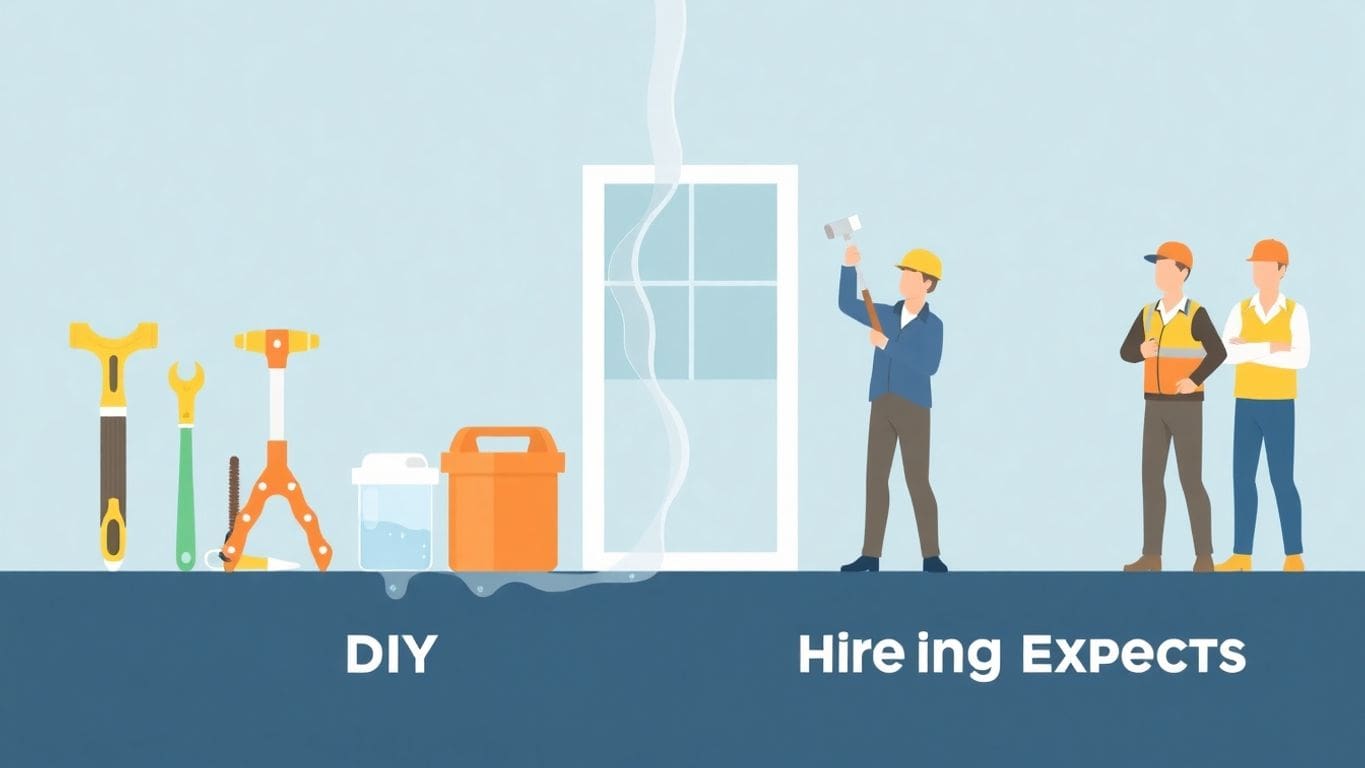
Water damage can strike at any time, leaving homeowners in a tough spot. Whether it’s from a burst pipe, a leaky roof, or flooding, the aftermath can be daunting. One of the first decisions you’ll face is whether to tackle the cleanup yourself or call in the experts. Understanding the pros and cons of DIY water damage repair vs. hiring a professional can help you make the best choice for your home.
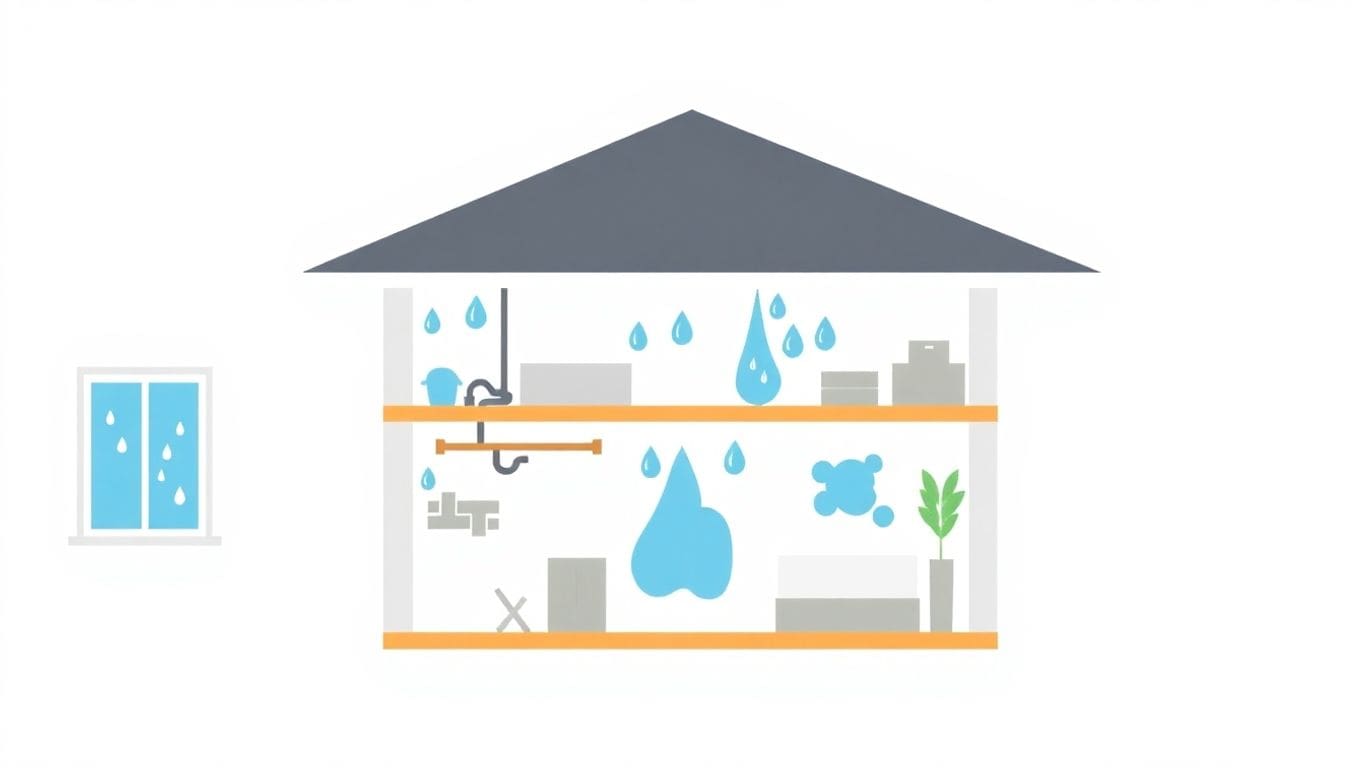
When water gets into your home, it’s not always the same kind of water. Knowing the type of water damage you’re dealing with is super important. It helps you figure out how to clean it up safely and effectively. There are three main types: clean water, gray water, and black water. Each one has different risks and needs a different approach to fix it. Let’s take a closer look at each type so you know what you’re up against.
Clean water is the least risky type of water damage. It comes from sources like a broken water supply line or rainwater. It doesn’t pose an immediate health risk, but don’t let that fool you. If clean water isn’t taken care of quickly, it can turn into gray or even black water, which are much more dangerous. For example, if clean water sits for more than 48 hours, it can start to grow mold and bacteria. This makes it unsafe. So, even though it starts clean, you need to act fast. You can often handle minor water damage from clean water yourself if you’re quick and careful.
Gray water is a bit more serious than clean water. It’s water that has some level of contamination. This type of water might come from things like dishwashers, washing machines, or showers. It can contain bacteria or viruses that could make you sick if you drink it or if it gets into cuts or sores on your skin. Gray water can cause discomfort or illness. You need to be careful when cleaning it up. Always wear gloves and protective clothing. Make sure to disinfect the area well after you’ve removed the water. If you have a lot of gray water damage, it might be best to call in a professional to make sure it’s handled safely.
Black water is the most dangerous type of water damage. It’s highly contaminated and can cause serious health problems. Black water often comes from sewage backups, floodwaters, or any standing water that has been sitting for a long time. It contains harmful bacteria, viruses, and other nasty stuff that can make you very sick. Never try to clean up black water yourself. Always call a professional restoration company. They have the right equipment and training to handle sewage backups safely and effectively. They’ll make sure your home is properly cleaned and disinfected to protect your health.
Dealing with water damage can be stressful, but understanding the different types can help you take the right steps to protect your home and your health. Remember, when in doubt, it’s always best to call a professional to ensure the job is done safely and correctly.
It’s super important to figure out how bad the water damage is before you start fixing things. You need to know if it’s a small problem or a big one. This will help you decide if you can handle it yourself or if you need to call in the pros. Let’s take a look at what you should be checking.
First, figure out if the damage is minor or major. A small leak under the sink that you catch quickly is minor. Major damage could be from a burst pipe or a flood. Here’s how to tell the difference:
If you’re dealing with major damage, it’s usually best to call a professional. They have the tools and skills to handle big problems.
Sometimes, water damage isn’t easy to see. It can hide behind walls or under floors. Here are some signs that there might be hidden damage:
If you see any of these signs, it’s a good idea to check further. You might need to remove some drywall or flooring to get a better look. If you’re not comfortable doing that, a professional can help.
Water damage can weaken the structure of your home. You need to check if the damage has affected the structural integrity of your house. Look for these things:
If you see any of these signs, the damage could be serious. It’s important to get a professional to check it out right away. Structural damage can be dangerous and needs to be fixed properly.
So, you’re thinking about tackling water damage yourself? It can be tempting! Let’s look at the good and bad sides of doing it yourself.
One of the biggest reasons people try DIY is to save money. You don’t have to pay for a professional company to come in and do the work. You can find lots of information online, from articles to videos, to help you figure things out. This can seem like a great way to keep costs down, especially if you’re on a tight budget.
When you do it yourself, you’re in charge. You decide when to start, how to do things, and what products to use. You have complete control over the whole process. This can be good if you like being in charge and want to make sure things are done exactly how you want them.
DIY water damage repair can take a lot of time and effort. It’s not always as easy as it looks. You might need to spend a whole weekend, or even longer, working on the problem. Plus, if you’ve never done it before, there’s a learning curve. You might make mistakes that end up costing you more money in the long run. It’s important to think about if you really have the time and energy to dedicate to water damage restoration.
Doing it yourself can be rewarding, but it’s important to be realistic about the time and effort involved. Make sure you have the right tools and are prepared to put in the work.
Trying to fix water damage yourself can seem like a good idea, especially to save money. But, there are some real risks you should know about before you start.
Your regular shop vacuum just can’t do what professional equipment does. Professionals have special tools that suck up way more water, especially from hidden spots. If you don’t get all the water out, you could end up with mold or damage to the structure of your house. Lingering moisture is a big problem.
Dealing with water that’s not clean can be dangerous. This is especially true if the water came from a sewage backup or a flood. You could get sick from bacteria, viruses, or other nasty stuff in the water. It’s important to protect yourself. If you don’t know what you’re doing, you could be putting your health at risk. If you have flood damage, it’s best to call a professional.
Sometimes, trying to fix things yourself can actually make the problem worse. You might not know the right way to dry things out, and that could lead to mold growth. Or, you might not fix a leak properly, and that could cause more water damage down the road. It’s easy to accidentally cause more damage than you started with. You might even cause structural issues if you don’t know what you’re doing.
DIY water damage repair can be tricky. Without the right knowledge, you might miss hidden problems or make mistakes that cost you more in the long run. It’s important to be honest about your skills and know when to call for help.
Here are some things that could go wrong:
When water damage strikes, you might think about handling it yourself. But there are some real advantages to calling in the pros. Let’s look at why hiring a professional water damage restoration service can be a smart move.
Professionals know what to look for. They can spot hidden water damage that you might miss. This thorough check helps them create a solid plan for fixing everything correctly. They don’t just look at what’s obvious; they investigate to find all the problems.
Professional companies use special tools that you probably don’t have. This equipment helps them remove water faster and dry things out more effectively. They have things like powerful pumps and dehumidifiers that do a much better job than a regular shop vac. Using specialized equipment means the job gets done right, preventing future issues.
Dealing with water damage can be risky, especially if the water is contaminated. Professionals know how to handle these situations safely. They wear protective gear and follow rules to keep everyone safe from harmful stuff like mold and bacteria. They make sure your home is not only dry but also healthy to live in. It’s important to consider the health risks involved in water damage.
Hiring a professional water damage company can save you headaches in the long run. They have the knowledge, tools, and experience to handle the job safely and effectively. This can prevent further damage and protect your health.
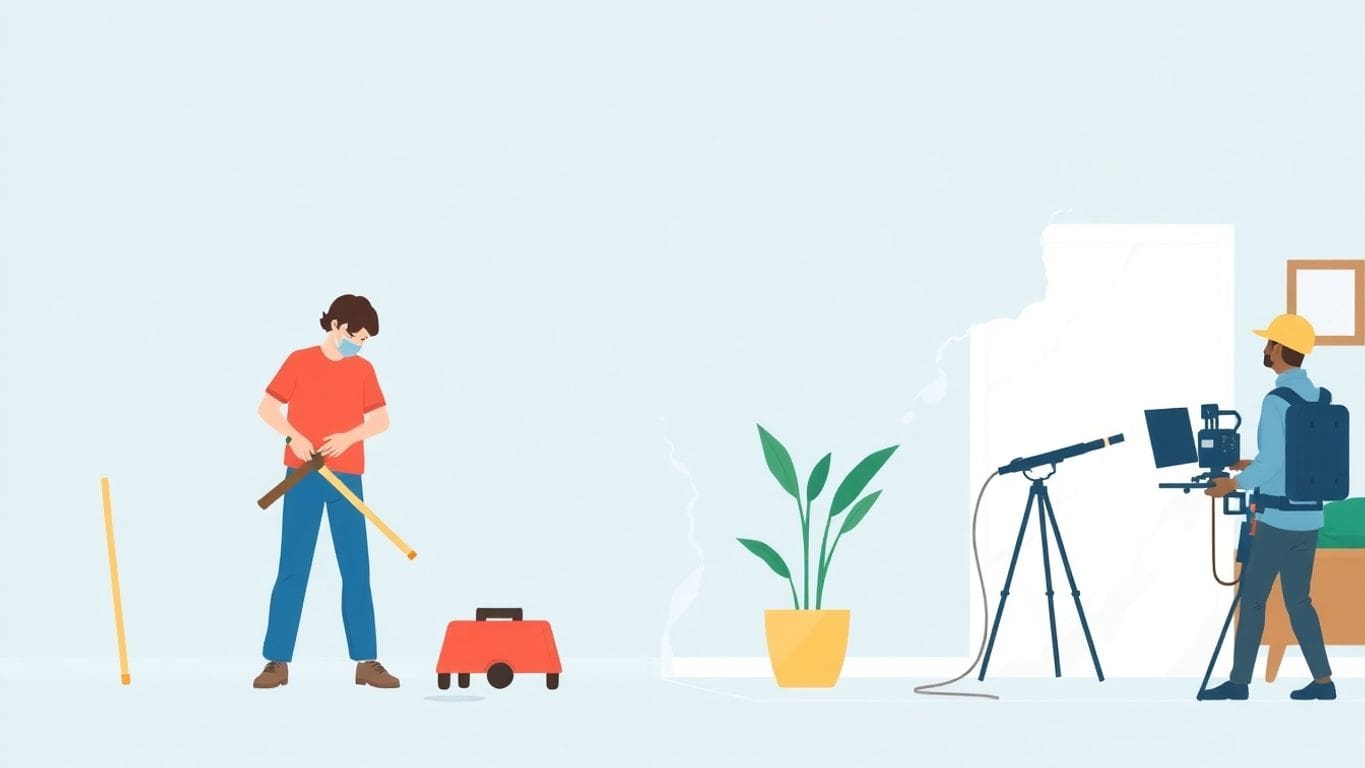
Sometimes, you can handle water damage yourself. Other times, it’s better to call in the pros. Here’s when DIY might work for you:
If you’re dealing with a small leak, like from a dripping faucet or a minor spill, DIY might be the way to go. These smaller problems often don’t require special equipment or a lot of expertise. Just be sure to clean up the water quickly and dry the area well to prevent mold.
Do you have the time and tools needed to fix the water damage? If you have a free weekend and some basic cleaning supplies, you might be able to handle the job yourself. However, if you’re already swamped with work or don’t have the right equipment, it might be better to call a professional restoration company.
Are you comfortable tackling home repairs? Have you dealt with water damage before? If you’re confident in your abilities, DIY could be a good option. But if you’re unsure or nervous, it’s always best to err on the side of caution and hire a professional. Remember, potential cost savings can quickly disappear if you make mistakes that lead to further damage.
It’s important to be honest with yourself about your skills and limitations. Don’t try to tackle a project that’s beyond your capabilities. It’s better to spend a little more money on a professional than to risk making the problem worse.
It’s important to think about the costs of both DIY and professional water damage repair. Let’s break down what you might spend in each case.
When you do it yourself, you’ll save on labor costs, but you’ll have to buy or rent equipment. This can include things like wet/dry vacuums, fans, dehumidifiers, and cleaning supplies. Don’t forget safety gear like gloves and masks! These costs can add up quickly, especially if you don’t already own some of these items. You might also need to replace damaged materials like drywall or flooring. DIY water damage restoration appealing because of the potential cost savings.
While hiring a professional costs more upfront, it can save you money in the long run. Professionals have the experience and equipment to find all the water and make sure everything is dried properly. If you miss hidden moisture, it can lead to mold growth or structural damage, which can be very expensive to fix later. Sometimes, paying for a professional is the cheaper option in the end.
Hiring a professional for water damage restoration can be more cost-effective in the long run by preventing more extensive and expensive problems later.
Your homeowner’s insurance might cover some of the costs of water damage repair. However, it’s important to understand your policy. Some policies only cover certain types of water damage, like from a burst pipe, but not from flooding. If you file a claim, the insurance company might require you to use a specific restoration company. Doing DIY repairs could affect your ability to get reimbursed, so check with your insurance company first. Here are some things to keep in mind:
So, you’re thinking about tackling water damage repair yourself? That’s cool! But before you start ripping up carpets, let’s talk about the tools you’ll need. Having the right equipment can make the job way easier and safer. Trust me, you don’t want to be stuck halfway through with the wrong tools.
Okay, here’s a list of some must-have tools for dealing with water damage. You might already have some of these, which is a bonus! If not, you can usually find them at your local hardware store.
Now, you might be wondering whether to rent or buy some of these tools. It really depends on how often you think you’ll need them. For example, a dehumidifier is a good investment if you live in a humid area. But if you only need it for this one project, renting might be the way to go. Here’s a quick breakdown:
| Equipment | Renting | Buying |
|---|---|---|
| Dehumidifier | Good for one-time use | Better if you live in a humid climate |
| Wet/Dry Vacuum | Okay if you don’t have one already | Useful for general cleaning too |
| Moisture Meter | Probably best to rent unless you’re a pro | Only if you plan to use it frequently |
I can’t stress this enough: safety is key! Water damage can involve some gross stuff, so you need to protect yourself. Here’s what you need:
Remember, dealing with water damage can be tricky. If you’re not comfortable with any part of the process, it’s always best to call a professional. Your health and safety are worth it! Plus, professionals have the experience to make sure the job is done right, preventing future problems. DIY water damage restoration can save money, but only if you do it safely and effectively.
It’s important to find a good professional if you decide DIY isn’t for you. You want someone you can trust to do the job right and not rip you off. Here’s how to find them.
Start by looking for restoration companies in your area. You can use online search engines or ask people you know for recommendations. Make a list of a few companies that seem promising. Don’t just pick the first one you see. Look at their websites and see what services they offer. Do they specialize in water damage restoration? Do they handle the type of damage you have? A good company should have a professional website and be easy to contact.
Once you have a list of companies, check their credentials. Make sure they are licensed and insured. This protects you if something goes wrong during the repair process. Also, read online reviews. See what other people are saying about their experiences with the company. Look for reviews on sites like Yelp, Google, or the Better Business Bureau. Pay attention to both positive and negative reviews. See if the company responds to complaints and how they handle them. A company with lots of good reviews and a good reputation is a good sign.
Contact several companies and ask for estimates. Explain the damage you have and ask them to come take a look. A good company will offer a free estimate. When they come, pay attention to how they assess the damage. Do they seem thorough and knowledgeable? Do they explain the repair process clearly? Get written estimates from each company. Compare the prices and services offered. Don’t just go with the cheapest option. Consider the company’s reputation, experience, and the quality of their work. Getting multiple estimates helps you make an informed decision and find the best emergency restoration experts for your needs.
Choosing the right professional can save you money and stress in the long run. Take your time, do your research, and ask questions. A good restoration company will be happy to answer your questions and help you understand the repair process.
Water damage is a pain, but you can take steps to keep it from happening again. A little effort now can save you big headaches later. Let’s look at some ways to protect your home.
Think about where water damage is most likely to happen. Basements are often at risk, as are areas around pipes and appliances. Here’s what to do:
It’s always good to be ready for the unexpected. Here’s how to prepare for water-related emergencies:
Preventing water damage is all about being proactive. By taking these steps, you can reduce your risk and protect your home. Remember, a little prevention goes a long way!
Okay, so you’ve looked at all the angles. You know about the types of water damage, how bad it can get, and what you can do yourself. You also know when it’s time to call in the pros. Now, how do you actually decide what to do?
Think about a simple balance scale. On one side, you have the good things about doing it yourself: saving money, being in control. On the other side, you have the bad things: the risk of messing things up, the time it takes, and potential health problems. Which side is heavier? The heavier side should point you to the right choice.
Even if you’re leaning towards DIY, it never hurts to get a second opinion. Talk to a professional restoration company. Many will give you a free estimate and tell you how bad the damage really is. This info can help you decide if you’re in over your head. It’s like asking a mechanic to look at your car before you try to fix it yourself.
After doing all your research and maybe talking to some experts, go with your gut. If something feels too risky or complicated, it probably is. It’s better to be safe than sorry when it comes to water damage. Your home is a big investment, and you don’t want to make things worse by trying to save a few bucks.
Water damage can be tricky. Sometimes it looks like a small problem, but there’s a lot more going on behind the walls. If you’re not 100% sure you can handle it, get help. It could save you a lot of headaches (and money) in the long run.
There are three main types of water damage: clean water from a broken pipe, gray water from washing machines or sinks, and black water from sewage or flooding.
Minor damage usually involves small leaks or spills that can be cleaned up easily. Major damage includes flooding or water that has soaked into walls and floors.
DIY repairs can lead to incomplete water removal, health risks from contaminated water, and even more damage if not done correctly.
Professionals can assess all damage, use advanced tools, and ensure safety, making the restoration process more effective.
You can consider DIY for small leaks or minor issues if you have the time, tools, and feel comfortable handling the situation.
DIY may save money upfront, but professionals can prevent bigger problems later, which could save you more in the long run.
Essential tools include a wet/dry vacuum, fans for drying, and safety gear like gloves and masks.
Look for local companies, check their reviews and credentials, and get multiple estimates to compare services and prices.


Business Owners: Join our insider newsletter for exclusive marketing strategies and growth opportunities for local services business.