Essential Water Damage Safety Tips to Protect Your Home and Family
Water damage can really mess up your home and your wallet. It’s not just about fixing things; it’s about keeping…



Water damage can be a real headache for homeowners. Whether it’s from a leaky pipe, a sudden flood, or even just high humidity, dealing with water damage is no small task. In this article, we’ll dig into whether home water damage is easy to fix and what you need to know about restoration. We’ll cover everything from understanding the causes and signs of water damage to assessing the damage and knowing when to call in the pros. So, if you’re wondering how to tackle water issues in your home, keep reading!
Water damage is when water gets where it shouldn’t be in your home. This can cause a lot of problems if it’s not taken care of quickly. Excess water can come from many places, like leaky pipes, broken appliances, or even heavy rain. It can cause things to rot, warp, or even grow mold. Even a small leak can turn into a big problem if you don’t fix it. It’s important to find and fix water damage fast to keep your home safe and sound.
Lots of things can cause water damage. Here are some common ones:
Water damage can be a real headache, but knowing what causes it can help you prevent it. Keep an eye on your pipes and appliances, and make sure your roof and gutters are in good shape.
It’s important to know what to look for so you can catch water damage early. Here are some signs:
If you see any of these signs, it’s important to check it out right away. The sooner you find and fix water damage, the better!
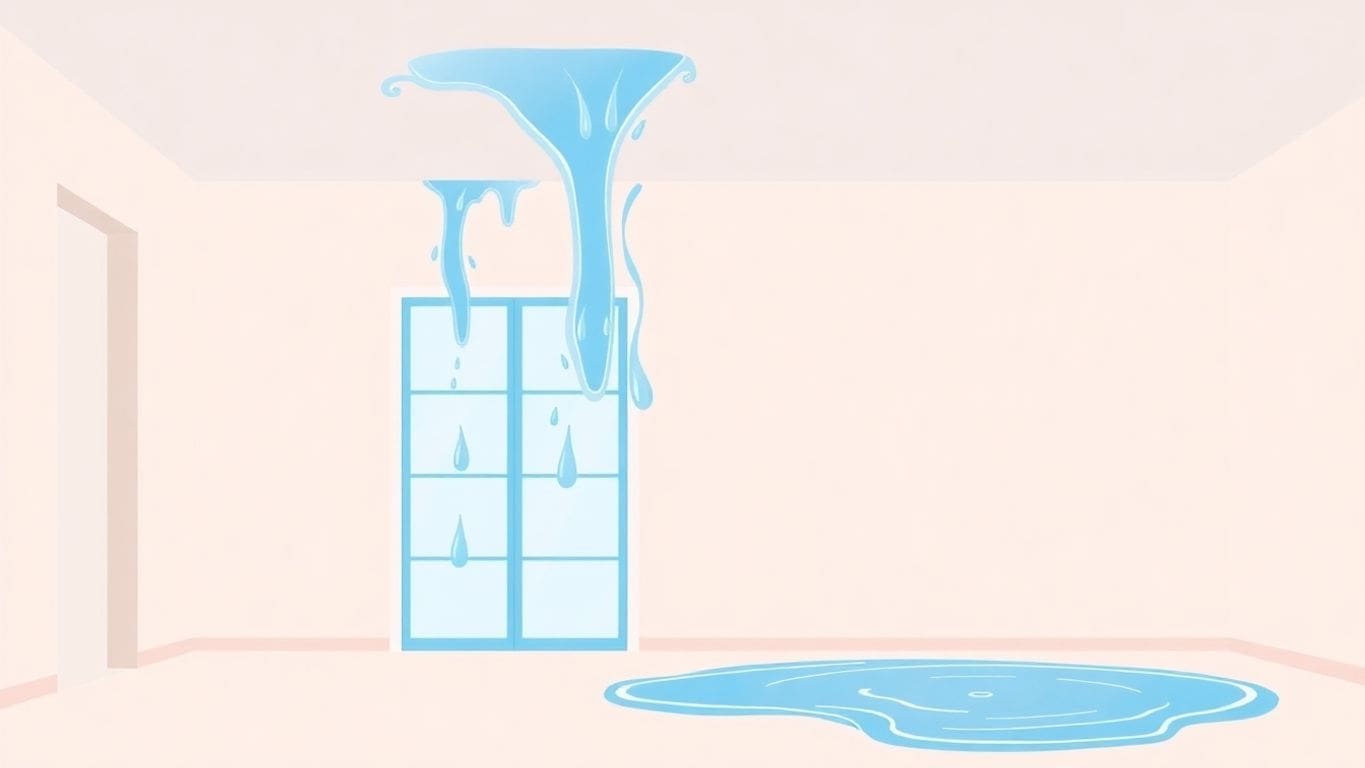
After you find water damage, it’s important to figure out how bad it is. This helps you decide if you can fix it yourself or if you need to call someone for help. Let’s look at how to check the damage.
First, turn off the water source to stop more water from coming in. Then, turn off the electricity in the area to stay safe. Walk through the damaged area carefully. Look for standing water and wet spots. Try to find where the water came from. Was it a leaky pipe, a broken appliance, or something else? Knowing the source helps you understand the scope of the problem.
Check everywhere the water might have reached. This means looking at walls, floors, and ceilings. Don’t forget to check rooms next to the damaged area, and also the rooms above and below. Water can travel far! Look for these signs:
It’s easy to miss hidden water damage. Water can seep into walls and under floors, causing problems you can’t see right away. That’s why a thorough inspection is so important.
Take pictures and videos of all the damage. This is important for your insurance claim. Make sure to get clear shots of:
Write down everything you find, including the date and time of the damage. Note the type of water, if you can tell (clean, gray, or black water). This information will help water damage restoration pros if you need to call them.
Sometimes, fixing water damage is more than you can handle alone. Knowing when to call for help can save you time, money, and stress. Let’s look at why emergency restoration experts are so important.
Not all water damage is the same. A small spill is different from a flooded basement. You should call a professional if:
Professionals have the right tools and knowledge. They can:
Hiring a professional might seem expensive, but it can prevent bigger problems later. They can stop mold, protect your home’s structure, and make sure everything is safe.
When you call a restoration service, here’s what usually happens:
They’ll keep you informed during the whole process. They’ll also work with your insurance company to make things easier for you.
So, you’ve got water damage. What happens next? It’s more than just mopping up water. It’s a process to get your home back to normal. Let’s walk through what you can expect.
First, there’s an inspection. Someone will check out the damage and figure out where the water came from. Then, they’ll stop the source, if possible. Next comes water removal. Big machines suck up all the standing water. After that, it’s all about drying things out and cleaning up. Finally, any repairs get done.
Here’s a quick rundown:
Drying is super important. If things stay wet, you’ll get mold. Big fans and dehumidifiers are used to pull moisture out of the air and from inside walls and floors. The goal is to get everything completely dry to prevent more problems. They keep an eye on the temperature and humidity to make sure it’s working.
Once everything is dry, it’s time to clean. Water can bring in all sorts of nasty stuff, like bacteria and mold spores. Everything needs to be cleaned and disinfected. Sometimes, they’ll use special sprays to kill mold and prevent it from coming back. It’s all about making your home safe and healthy again.
Sanitation is key to preventing long-term issues after water damage. It’s not just about cleaning what you see, but also addressing hidden threats like mold and bacteria that can affect your health and the structure of your home.
Sometimes, you can handle small water problems yourself. It can save you money, but you need to know what you’re doing. If the damage is big or you’re not sure, call a pro. But for small leaks and spills, here’s what you can do.
First, stop the water source if you can. Then, start drying things out right away. The faster you act, the less damage you’ll have. Here are some steps to follow:
Sometimes, you need a quick fix to stop more damage. These are not long-term solutions, but they can help until you get professional help or can do a proper repair. Here are a few ideas:
Remember, these fixes are just temporary. You still need to find the source of the leak and fix it properly.
It’s important to know when DIY isn’t enough. Some water damage is too big or too dangerous to handle yourself. Call a professional if:
| Situation | DIY? | Professional? | Reason |
|---|---|---|---|
| Small leak from a faucet | Yes | No | Easy to clean and fix. |
| Flooding from a burst pipe | No | Yes | Large amount of water, potential for structural damage and mold growth. |
| Mold growth after a leak | Maybe | Yes | Mold can be hazardous and requires special cleaning. |
| Sewage backup | No | Yes | Sewage contains harmful bacteria and requires professional cleanup. |
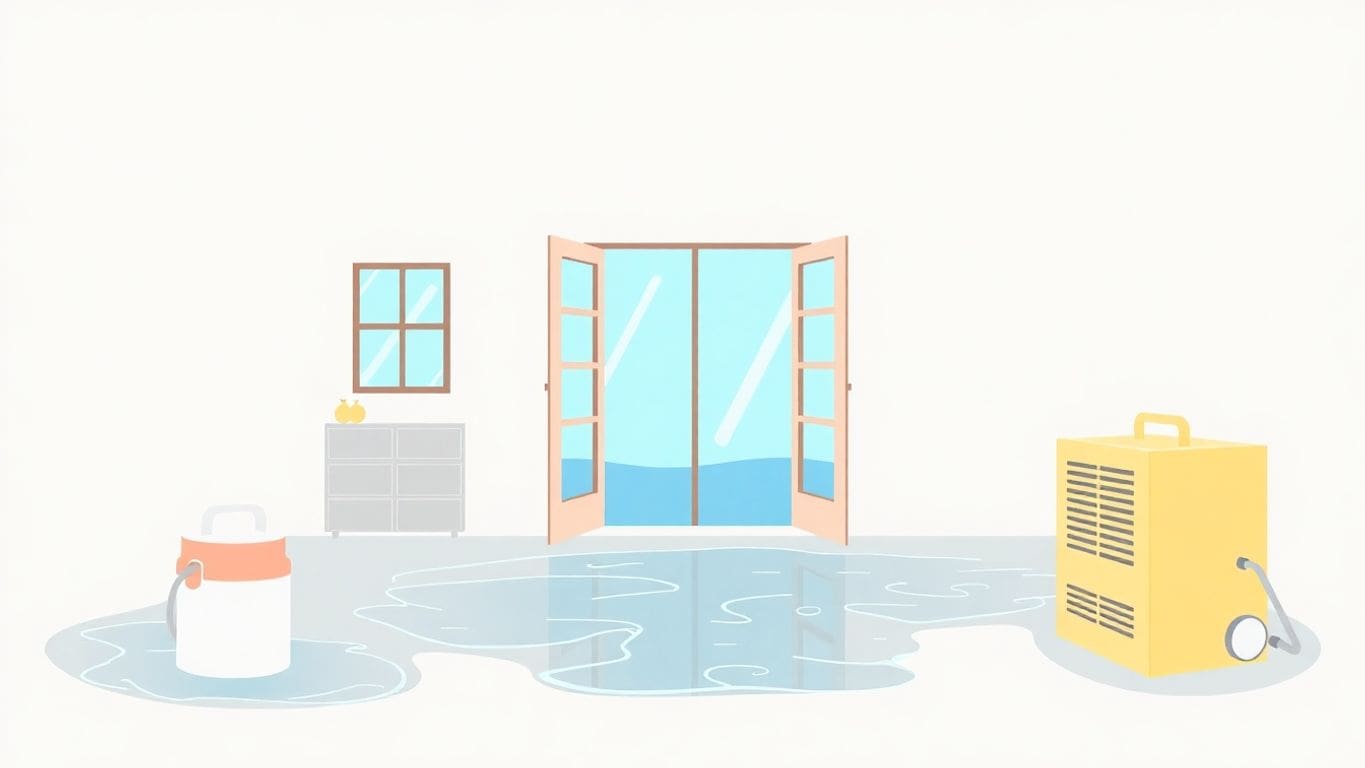
Dealing with water damage can be stressful. Knowing how your insurance works can make things easier. Let’s look at what you need to know about insurance and water damage.
Your homeowner’s insurance might cover some types of water damage, but not all. It’s important to read your policy carefully. Most policies cover sudden and accidental water damage, like a burst pipe. However, they usually don’t cover damage from floods. For that, you need a separate flood insurance policy. If you aren’t sure what your policy covers, call your insurance agent and ask them to explain it. It’s better to know before something happens. Also, remember that flood damage is different from water damage.
If you have water damage, file a claim with your insurance company as soon as possible. Here’s what you should do:
Remember to document everything. The more information you have, the smoother the claims process will be.
After you file a claim, an insurance adjuster will come to your home to assess the damage. The adjuster works for the insurance company. They will look at the damage and decide how much money the insurance company will pay. Be prepared to show the adjuster all the damage and give them copies of your photos and receipts. If you don’t agree with the adjuster’s decision, you can negotiate with them. If you still can’t agree, you might need to hire a public adjuster to help you. Getting insurance involved can save you a lot of money.
It’s way better to stop water damage before it starts. You can do a lot to keep your home dry and safe. Here’s how:
Think of your house like a car. It needs check-ups to run well. For your home, that means looking for leaks and keeping things in good shape. Here are some things to check:
Water alarms are like smoke detectors, but for water. They can alert you to leaks before they cause major damage. You can buy them at most hardware stores. Place them near:
They’re easy to install and can save you a lot of money and stress. Consider a smart water leak detector that can shut off the water main automatically.
The ground around your house should slope away from the foundation. This helps water drain away from your home, not towards it. If water pools near your foundation, it can seep into your basement or crawl space. You can also:
Preventing water damage is an ongoing process. It takes some effort, but it’s worth it to protect your home. By following these tips, you can reduce your risk of water damage and keep your home dry and safe.
Water damage can be a real headache. Sometimes, you can fix things up, and other times, you have to replace them. It’s all about figuring out what’s best for your situation. Let’s walk through when to restore and when to replace.
Restoring items after water damage means cleaning, drying, and repairing them. You might be able to restore things if:
For example, if a wooden chair gets wet but dries quickly without warping, you can probably just clean and refinish it. A full-service restoration company can help you decide. Sometimes, professionals can even take items offsite for restoration.
Sometimes, water damage is too severe, and you need to replace items. This might be the case if:
Think about drywall that’s been soaked for days. It might be easier and safer to just replace it. Replacing is often the best option for items that pose health risks or are beyond repair.
Cost is a big factor in deciding whether to restore or replace. Get quotes for both options. Consider:
Sometimes, restoration seems cheaper at first, but replacement might save you money in the long run. Here’s a simple table to help you think about it:
| Factor | Restoration | Replacement |
|---|---|---|
| Initial Cost | Lower | Higher |
| Long-Term Value | Depends on the extent of the water damage | New item, potentially longer lifespan |
| Time | Can take weeks or months | Faster, depending on item availability |
Choosing between restoration and replacement depends on the extent of the damage, the value of the item, and your budget. Get professional advice to make the best decision for your home.
So, the water’s gone, and things look better. But don’t relax just yet! There are still a few things to think about after the restoration is done to make sure everything is truly back to normal. It’s like finishing a race – you still need to cool down!
After the restoration team leaves, take a good look around. Check all the areas that were affected by the water. Make sure everything is dry and that there are no signs of mold or lingering damage. It’s important to be thorough during these final inspections.
Even if everything looks good right away, keep an eye on things for the next few weeks or months. Water damage can sometimes cause problems that don’t show up immediately. You want to catch any new issues early before they become big headaches. Consider setting up a schedule to check on things regularly. This might include:
After the pros have done their job, there are things you, as the homeowner, need to take care of. This might include replacing personal items that were damaged, like furniture or clothing. It’s also a good time to think about ways to prevent future water damage. You might want to consider installing water alarms or improving your home’s drainage. Remember, staying proactive can save you a lot of trouble down the road.
After the restoration, it’s your job to keep an eye on things. Make sure to replace anything that was removed, like furniture or personal items. Also, think about what you can do to stop water damage from happening again. This could mean fixing leaky pipes or cleaning out your gutters regularly. A little prevention goes a long way!
Water damage happens when water gets into places it shouldn’t be, causing harm to your home or belongings.
Common causes include leaks from pipes, heavy rain, flooding, and problems with appliances like washing machines.
Look for signs like wet spots, peeling paint, or a musty smell. You might also see warped floors or walls.
For small issues, you can try to clean up, but big problems are best handled by professionals.
They inspect the area, remove excess water, dry everything out, and sanitize to prevent mold.
Many homeowners’ insurance policies cover water damage, but it’s important to check your specific coverage.
It can take from a few days to several weeks depending on how bad the damage is.
Regular maintenance, fixing leaks quickly, and installing water alarms can help prevent future issues.

Business Owners: Join our insider newsletter for exclusive marketing strategies and growth opportunities for local services business.