Essential Strategies for Preventing Mold After Water Damage
Water damage can lead to serious problems, especially mold growth. Mold can start to grow within 24 to 48 hours…



Water damage can happen when you least expect it, and it can lead to serious problems if not handled properly. Understanding how to dry out water damage is essential for protecting your home and health. In this article, we’ll break down the drying process, why it matters, and what you can do to prevent future issues. Whether you’re facing a current water issue or just want to be prepared, this guide has got you covered.
Water damage can be a real headache. It can happen from a small leak or a big flood. It’s important to know what water damage is and what it can do to your home. If you catch it early, you can save yourself a lot of trouble and money.
There are different kinds of water damage, and it’s important to know the difference. The type of water affects how you clean it up. Here’s a quick rundown:
Knowing the type of water damage helps you decide how to clean it up safely and effectively. Always protect yourself with gloves and masks, especially with gray or black water.
Sometimes, it’s easy to see water damage, like a big puddle. But other times, it’s hidden. Here are some signs to look for:
If you see any of these signs, check it out right away. The sooner you find the problem, the easier it is to fix.
If you don’t take care of water damage, it can cause big problems later on. Here are some things that can happen:
It’s best to deal with water damage quickly to avoid these long-term problems. Regular home maintenance can help prevent water damage in the first place.
Yes, water damage can dry out, but it’s not always a simple process. How well and how fast it dries depends on many things. It’s important to understand what affects drying and when you might need help from experts. Let’s take a look at some key points.
Several things affect how quickly water damage dries. The amount of water, the materials that got wet, and the environment all play a role. For example, a small leak in a bathroom might dry quickly, but a flooded basement will take much longer. The type of material also matters; concrete takes longer to dry than drywall. Airflow and temperature are also important. Good airflow helps water evaporate, and warmer temperatures speed up the process. Understanding these factors can help you figure out how to handle water and flood damage.
One common mistake is thinking that water damage will dry on its own without any help. While some surface water might evaporate, hidden moisture can linger and cause problems later. Another misconception is that fans alone are enough to dry everything. While fans help, they don’t remove moisture from the air like dehumidifiers do. Also, people often underestimate how long drying actually takes. It can take days or even weeks to fully dry out a building, depending on the extent of the damage.
You should get professional help if you have a large amount of water, if the water is contaminated (like from a sewage backup), or if you suspect moisture is hidden behind walls or under floors. Professionals have special equipment like moisture meters and thermal imaging cameras to find all the moisture. They also have the knowledge and tools to dry your home quickly and safely, preventing mold growth and structural damage. Trying to handle severe water damage yourself can lead to more problems in the long run.
Dealing with water damage can be stressful, but knowing when to call in the pros can save you time, money, and a lot of headaches. Don’t hesitate to reach out for help if you’re unsure about anything. It’s better to be safe than sorry when it comes to protecting your home and health.
It’s super important to dry up water damage quickly and completely. If you don’t, you could end up with some serious problems. Drying things out the right way helps keep your home safe and saves you money in the long run. Let’s look at why drying after water damage is so important.
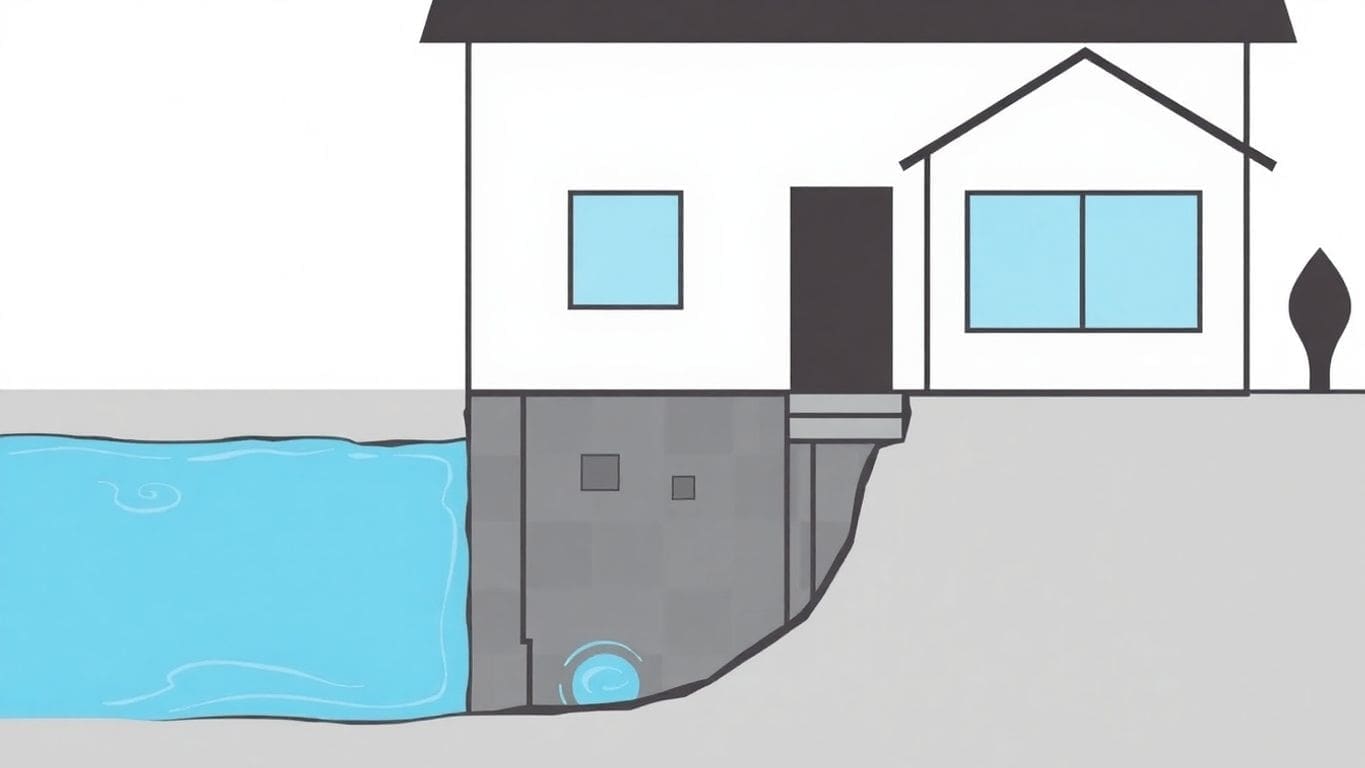
Water can really mess up the structure of your house. Think about it: wood can rot, metal can rust, and drywall can fall apart. Drying things out fast helps stop this from happening. If you leave water sitting around, it can weaken the foundation and other important parts of your home. This can lead to costly repairs later on. It’s like ignoring a small crack in the wall – it will only get bigger and more expensive to fix. Addressing water damage restoration promptly is key.
Leaving water damage unfixed can make you sick. Mold loves damp places, and it can grow quickly after a flood or leak. Mold can cause allergies, asthma, and other breathing problems. Plus, dampness can attract bugs and pests, which can also spread diseases. Drying your home completely helps get rid of these health risks and keeps your family safe.
Drying your home completely after water damage is not just about protecting your property; it’s about protecting your health. Mold and pests thrive in damp environments, posing significant health risks to you and your family.
Waiting to dry water damage can cost you a lot of money. The longer you wait, the more damage there will be. You might have to replace carpets, walls, or even furniture. Plus, you could end up with mold problems that require professional removal. Dealing with water damage right away can save you from these big expenses. It’s better to spend a little money now on drying than to pay a lot more later on repairs and replacements. Here’s a quick look at potential costs:
| Problem | Estimated Cost |
|---|---|
| Carpet Replacement | $500 – $2,000 |
| Drywall Repair | $300 – $1,000 |
| Mold Remediation | $1,000 – $5,000+ |
| Structural Repairs | $1,000 – $10,000+ |
So, drying water damage quickly is a smart move for your home, your health, and your wallet.
Okay, so you’ve got water damage. Now what? It’s time to dry things out! Here’s what that usually looks like.
First, someone needs to check out the damage. This means figuring out how bad it is and where the water went. They’ll look for things like wet spots, how far the water spread, and what stuff got wet. This helps them make a plan for drying everything out. It’s like being a detective, but with water!
Next up: getting rid of the water! Big puddles? They’ll use pumps or wet vacs to suck it up. For carpets and floors, they might use special tools to pull the water out. The goal is to remove as much water as possible before starting the drying process. The less water, the faster things dry.
Just because something looks dry doesn’t mean it is! They’ll use tools to check how much water is still in walls, floors, and other materials. Keeping an eye on moisture levels throughout the drying process is super important. If things are drying too slowly, they might need to bring in more equipment or change their plan. It’s all about making sure everything gets completely dry to prevent problems later on.
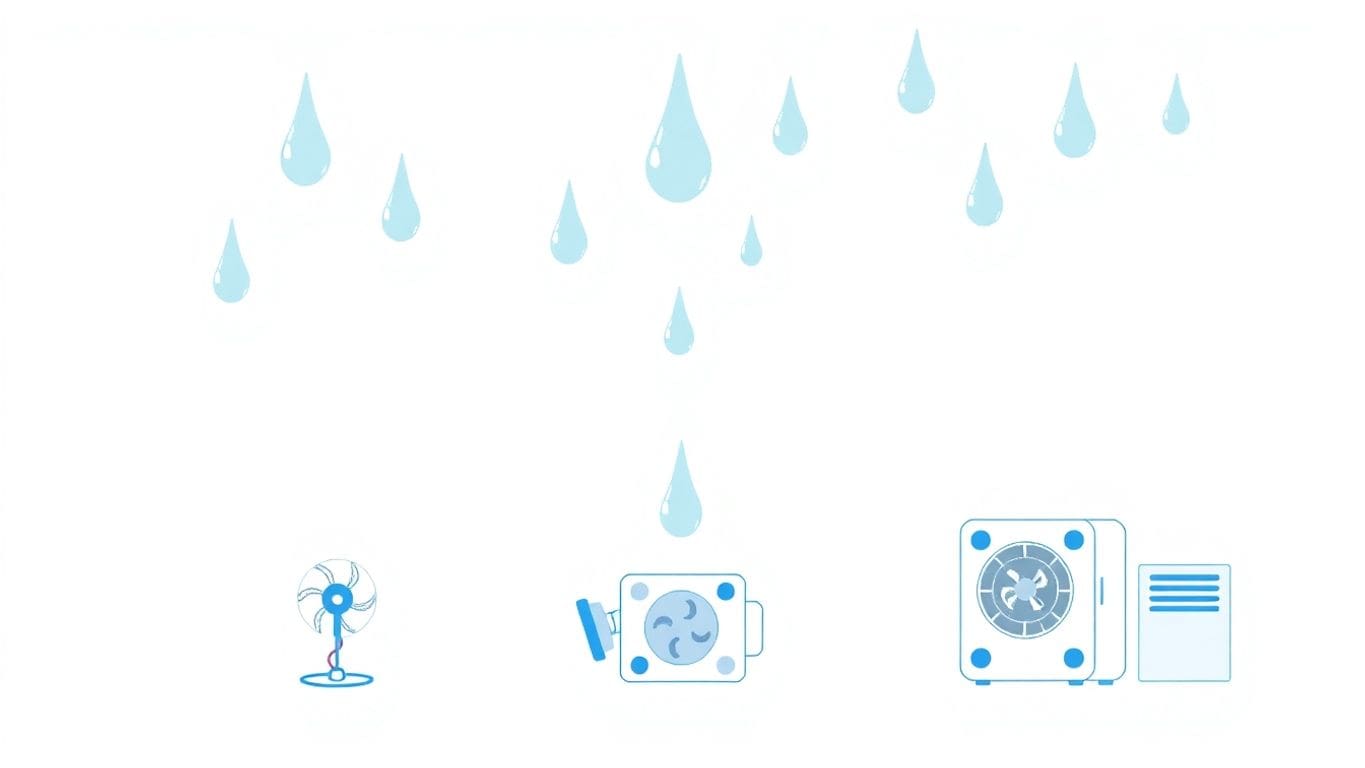
When water damage strikes, you need the right tools to dry things out quickly and completely. Regular fans just won’t cut it. Professionals use special equipment to get the job done right. Let’s look at some of these tools and how they help.
Air movers, also called industrial fans, are way more powerful than the fans you have at home. They create a strong airflow across wet surfaces. This helps water evaporate faster.
Air movers are key because they move the air and help the dehumidifiers work better. Without good airflow, the dehumidifiers have to work harder, and drying takes longer.
Dehumidifiers pull moisture out of the air. They’re like big sponges for humidity. There are different types, but they all do the same basic thing: lower the amount of water in the air. This helps wet materials dry out. Using the right dehumidifiers is important for effective water damage restoration.
Sometimes, water hides behind walls or under floors. You can’t see it, but it’s there, causing problems. That’s where thermal imaging comes in. Thermal imaging cameras show differences in temperature. Wet areas are usually cooler than dry areas. This helps professionals find all the hidden moisture so they can dry it out.
| Equipment | Benefit |
|---|---|
| Air Movers | Speeds up evaporation |
| Dehumidifiers | Removes moisture from the air |
| Thermal Imaging | Detects hidden moisture |

After water damage, stopping mold from growing is super important. Mold can cause health problems and damage your home. Here’s what you need to do to keep mold away.
First, act fast! Mold can start growing in just 24-48 hours after water damage. The quicker you start emergency water clean up, the less likely mold is to grow.
Once you’ve cleaned up the water, focus on drying everything completely. This might take a few days, but it’s worth it to prevent mold.
Keeping your home dry is the best way to stop mold. Make sure your gutters are clean, fix leaky pipes right away, and keep an eye out for any signs of water damage. A little prevention can save you a lot of trouble later.
Even if you’re careful, mold can still grow. Know what to look for so you can deal with it quickly.
If you find mold, clean it up right away. For small areas, you can use a mix of bleach and water. For big mold problems, it’s best to call a water damage restoration company. They have the tools and skills to get rid of mold safely and completely.
When water messes up your place, you want it gone fast. But how long drying takes depends on a few things. Let’s look at what affects drying time.
How much water got into things really matters. The more water there is, the longer it takes to dry. Think of it like this: a little spill dries fast, but a flood? That’s going to take a while. If your carpet is soaked, it’ll take longer than if just the surface is damp. Understanding the drying process is key to knowing what to expect.
What stuff got wet matters too. Some things dry fast, and others hold onto water. For example:
Different materials have different drying rates. Knowing what’s wet helps you guess how long it’ll take to dry.
The weather and the air inside your house play a big part. Things like:
Here’s a simple table to give you an idea:
| Factor | Effect on Drying Time | Example |
|---|---|---|
| High Saturation | Longer | Soaked carpet vs. damp wall |
| Humid Air | Longer | Drying clothes on a rainy day |
| Good Airflow | Shorter | Clothes drying faster on a windy day |
If your home has water damage, it can be overwhelming. You might not know where to start. That’s where water damage restoration services come in. They can help you get your home back to normal. Let’s look at what they do.
First, restoration experts check the damage. They figure out how bad it is and what caused it. This helps them make a plan to fix everything. They look at things like:
With this info, they create a plan to dry and fix your home. This plan is made just for your situation. It’s important to have a good plan to manage property damage correctly.
Every water damage situation is different. Some homes need special drying methods. Restoration services use different tools and ways to dry your home. This might include:
They choose the best ways to dry your home quickly and completely. This helps prevent more damage and mold growth. The goal is to get your home dry as fast as possible.
Drying your home isn’t a one-time thing. Restoration services keep checking the moisture levels. They use tools to see how wet things still are. If some areas are still damp, they adjust the drying process. They might add more equipment or change where the air flows. This makes sure everything dries evenly. Monitoring is key to a successful restoration.
Water damage restoration services are there to help you through a tough time. They have the knowledge and tools to get your home dry and safe again. Don’t hesitate to call them if you have water damage.
It’s super important to pick the right company to fix water damage. The company you choose can really change how well the drying goes. You want someone who knows what they’re doing and will do a good job.
First, see how long they’ve been around. You want a company with experience. Check if they offer different services, like fixing damage from water, fire, and mold. A good company will also be easy to talk to and answer all your questions. Make sure they explain everything clearly so you know what’s happening.
Certifications show that a company knows what they’re doing. Certifications mean they’ve been trained and know how to fix water damage the right way. Ask the company if they have certifications from groups like the IICRC. This means they follow the rules and do good work.
See what other people say about the company. Read reviews online to see if people were happy with their work. Look for reviews that talk about how fast they were, how well they cleaned up, and if they were easy to work with. Good reviews are a good sign!
Choosing the right company can feel hard, but it’s worth it. Take your time, do your research, and pick a company you trust. This will make the whole process much easier.
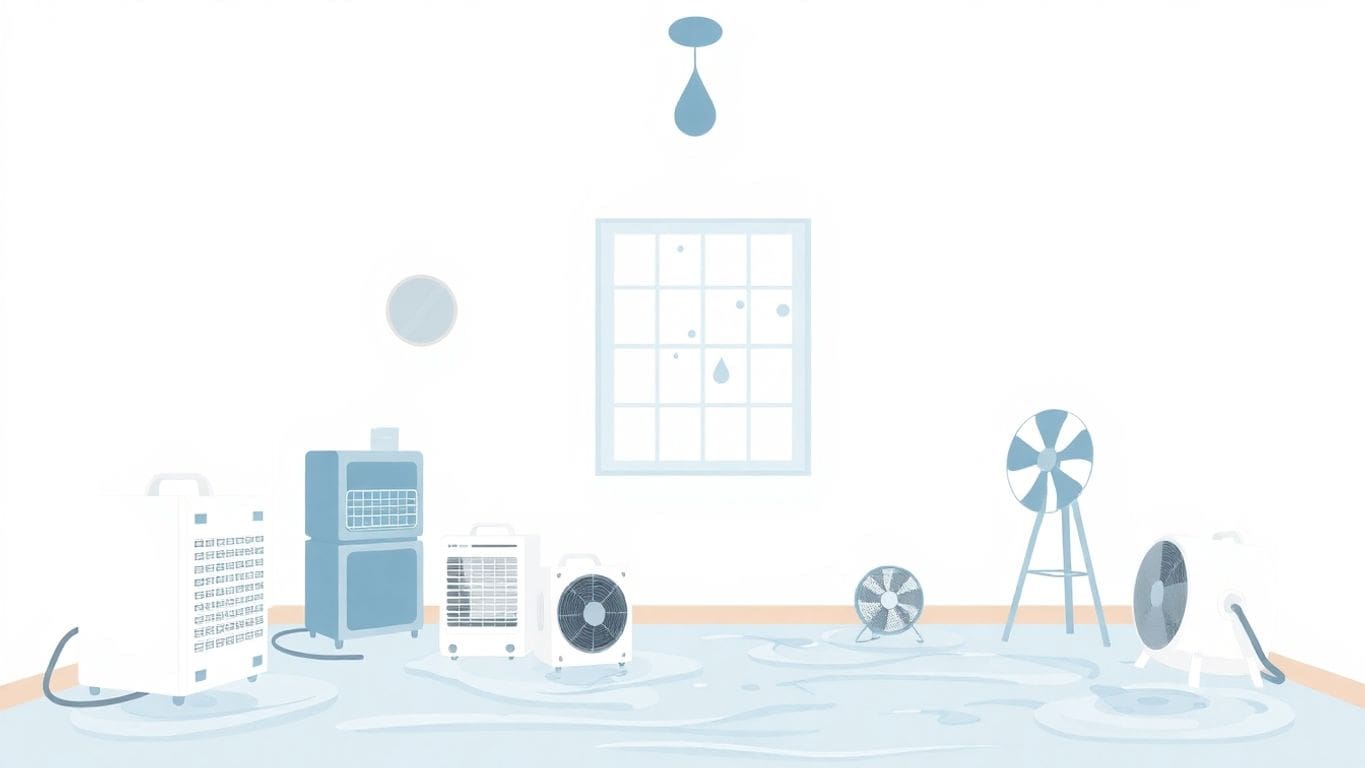
Water damage isn’t just bad for your house; it can also make you sick. When water sits for too long, it can cause problems that affect your health. It’s important to dry things out quickly and completely to avoid these risks.
Mold and mildew love damp places. They can grow quickly after water damage. Mold can cause allergic reactions, like sneezing, a runny nose, and skin rashes. Mildew is a type of mold that often looks like a white or gray powder. If you see or smell mold, it’s important to take care of it right away. You might need mold remediation to get rid of it completely.
Dampness in your home can make it hard to breathe. It can make asthma worse and cause other lung problems. Even if you don’t see mold, damp air can still irritate your lungs. It’s important to keep your home dry and well-ventilated. Using dehumidifiers can help reduce moisture in the air.
Water damage can attract pests like bugs and rodents. These pests need water to survive, and they can find it in damp areas of your home. Pests can spread diseases and cause other health problems. Getting rid of water damage can help keep pests away. Make sure to check for signs of water damage regularly.
Living in a damp environment can really affect your health. It’s not just about the mold you can see; it’s also about the air you breathe and the pests that might move in. Taking care of water damage quickly is important for your health and your home.
Water damage is a pain, but you can take steps to keep it from happening again. It’s all about being prepared and keeping an eye on things around your home. Let’s look at some ways to avoid future water problems.
Think of your home like a car – it needs regular check-ups! Here are some things you can do:
Some parts of your home are more likely to have water problems than others. Pay special attention to these areas:
Even with the best maintenance, water damage can still happen. Here’s how to be ready:
The best way to prevent water damage is to be proactive. Regular inspections and maintenance can help you catch problems early before they turn into major disasters. Don’t ignore small leaks or drips – fix them right away!
By following these tips, you can greatly reduce your risk of water damage and keep your home safe and dry. Remember, a little prevention goes a long way!
Water damage happens when water gets into places it shouldn’t, like your walls or floors. It can come from leaks, floods, or broken pipes.
Look for signs like stains on walls or ceilings, a musty smell, or warped floors. If you see mold or feel dampness, that’s also a sign.
Sometimes, small amounts of water might dry up, but it’s better to dry it properly to avoid mold and other problems.
It depends on how much water there is and the materials affected. It can take a few days to weeks to dry completely.
If water damage isn’t dried fast, it can lead to mold growth, damage to your home, and health issues.
If the damage is large, if there’s mold, or if you’re not sure how to handle it, it’s best to call a professional.
They use fans to move air, dehumidifiers to remove moisture, and sometimes thermal cameras to find hidden water.
Act quickly to dry everything out, keep the area ventilated, and check for hidden moisture to stop mold from growing.

Business Owners: Join our insider newsletter for exclusive marketing strategies and growth opportunities for local services business.