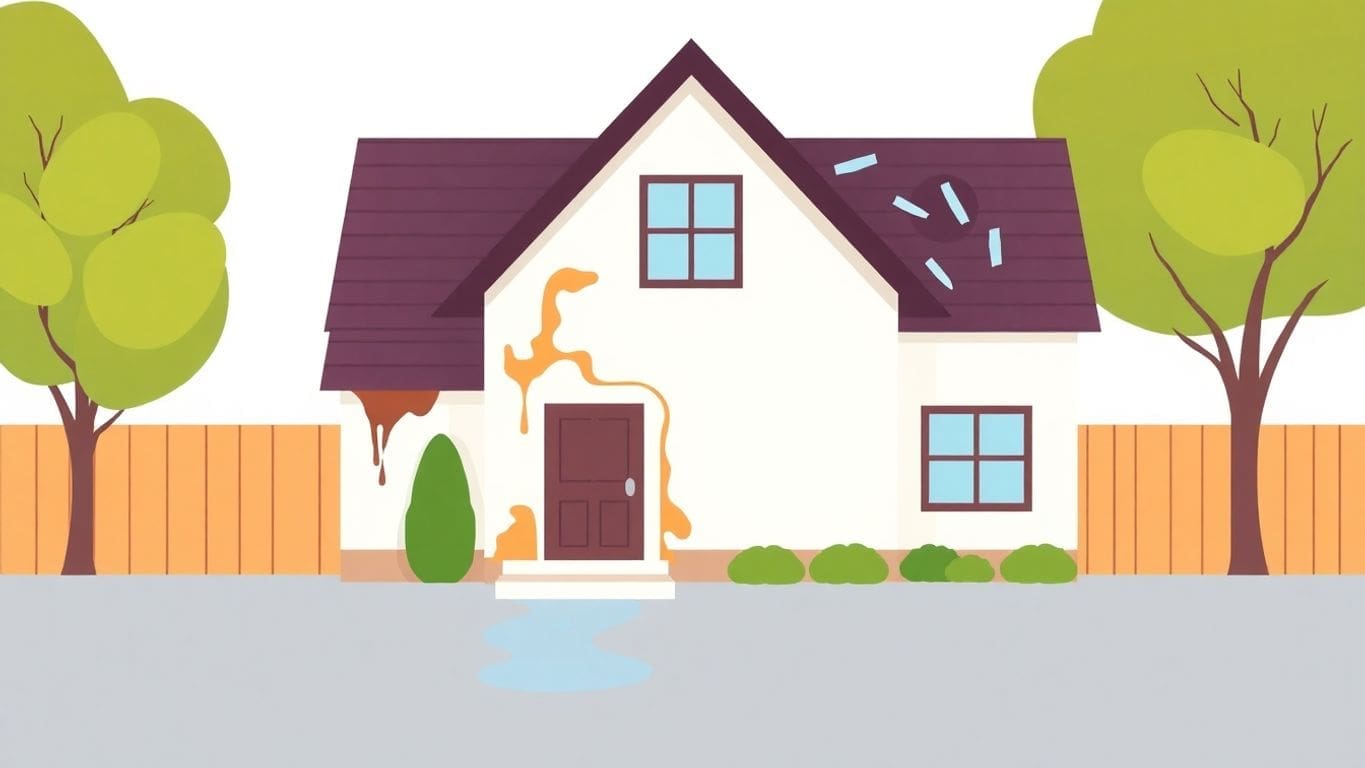
Top Signs Your Home Has Water Damage: How to Identify the Hidden Threats
Water damage can sneak up on you, often hiding in places that are hard to see. If left unchecked, it…



Waterproofing your home might not seem like a big deal—until it is. A little leak here, a damp spot there, and suddenly you’re looking at major repairs. Whether it’s rain, snow, or just the natural humidity in the air, water has a sneaky way of finding its way inside. Knowing how to waterproof your home can save you a lot of stress, money, and headaches down the road. Let’s break it down so you can keep your home dry and comfortable.
Waterproofing keeps your home safe from water damage. Water can weaken your walls, floors, and even the foundation. It can also lead to mold, which is bad for your health. By waterproofing, you protect your home and your family.
Water damage happens for many reasons, like:
Even something small, like clogged gutters, can cause big problems over time.
When waterproofing your home, pay attention to these areas:
Waterproofing is not just about fixing problems—it’s about preventing them before they start.
Water damage isn’t always obvious, but there are key signs you can watch for. Look for water stains or discoloration on walls and ceilings. These might appear as dark patches or streaks. You may also notice a musty smell, which could indicate mold or mildew hiding in unseen areas. Don’t ignore these clues—they’re often the first sign of a bigger problem.
Other signs include peeling paint, warped flooring, or bubbling wallpaper. If you see these, it’s time to act quickly. Early detection can save you from costly repairs later.
Windows and doors are common places for water to sneak into your home. Check for gaps or cracks around the edges. Even small openings can let moisture in. Run your fingers along the seals to feel for drafts or dampness. If you spot any issues, seal them with caulk or weatherstripping.
Pay attention to the bottom of your doors and windows. Water can pool here during heavy rain. Installing door sweeps or using waterproof sealant can help keep water out.
Your foundation is one of the most critical parts of your home to inspect. Small cracks might seem harmless, but they can let water seep in over time. Walk around the outside of your home and look closely at the foundation walls. Use a flashlight to check for tiny fissures.
Inside, check your basement or crawl space. Look for damp spots or water pooling near the walls. If you find cracks, patch them with hydraulic cement or consult a professional for larger repairs.
Regular inspections of your home’s foundation, windows, and doors can prevent water damage and protect your home’s structure. A little effort now can save you from major headaches later!
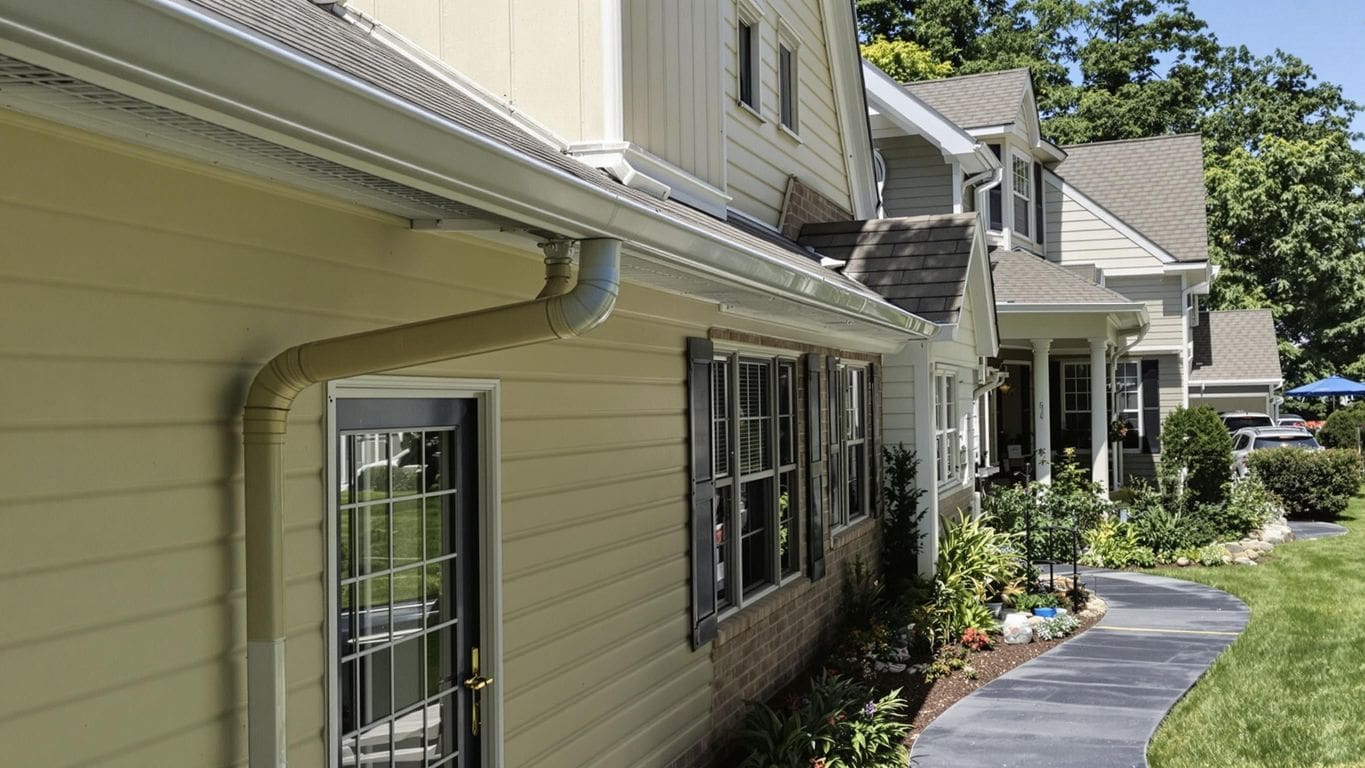
Gutters and downspouts are your first line of defense against water damage. They guide rainwater away from your home, keeping it from pooling near the foundation. Clogged gutters can lead to serious problems, so make sure to clean them regularly. Install gutter guards to minimize debris buildup, and ensure your downspouts extend at least 3-4 feet away from your house. This prevents water from soaking into the ground near your foundation.
Exterior sealants and waterproof membranes protect your home’s foundation from water intrusion. Apply a flexible sealant like silicone or polyurethane to fill cracks and gaps. For larger areas, consider using a waterproof membrane—a layer applied to the foundation walls to block water. While these solutions require some effort to install, they’re highly effective at keeping moisture out.
Your yard’s layout plays a big role in water management. If water tends to pool near your home, regrading your lawn might help. This involves shaping the ground so it slopes away from your house. You can also add features like French drains—trenches filled with gravel and a pipe to move water away. Planting water-tolerant shrubs near your foundation can also help absorb excess moisture and keep water at bay.
Proper exterior waterproofing not only protects your home but also saves you money in the long run by preventing costly repairs.
One of the easiest ways to keep water out is by using waterproof paints and sealants. These products can be applied to walls and floors to create a barrier against moisture. Sealants are especially good for filling cracks and gaps, stopping water from sneaking in. Look for options like silicone or polyurethane—they’re flexible and last a long time. Waterproof paints, on the other hand, work best on walls to stop minor leaks and keep dampness at bay.
Basements are often damp because they’re below ground. Adding vapor barriers can help a lot. These are sheets of plastic or foil that go on walls or floors to block moisture from coming through. It’s a simple step that can make a big difference, especially if you pair it with other waterproofing methods.
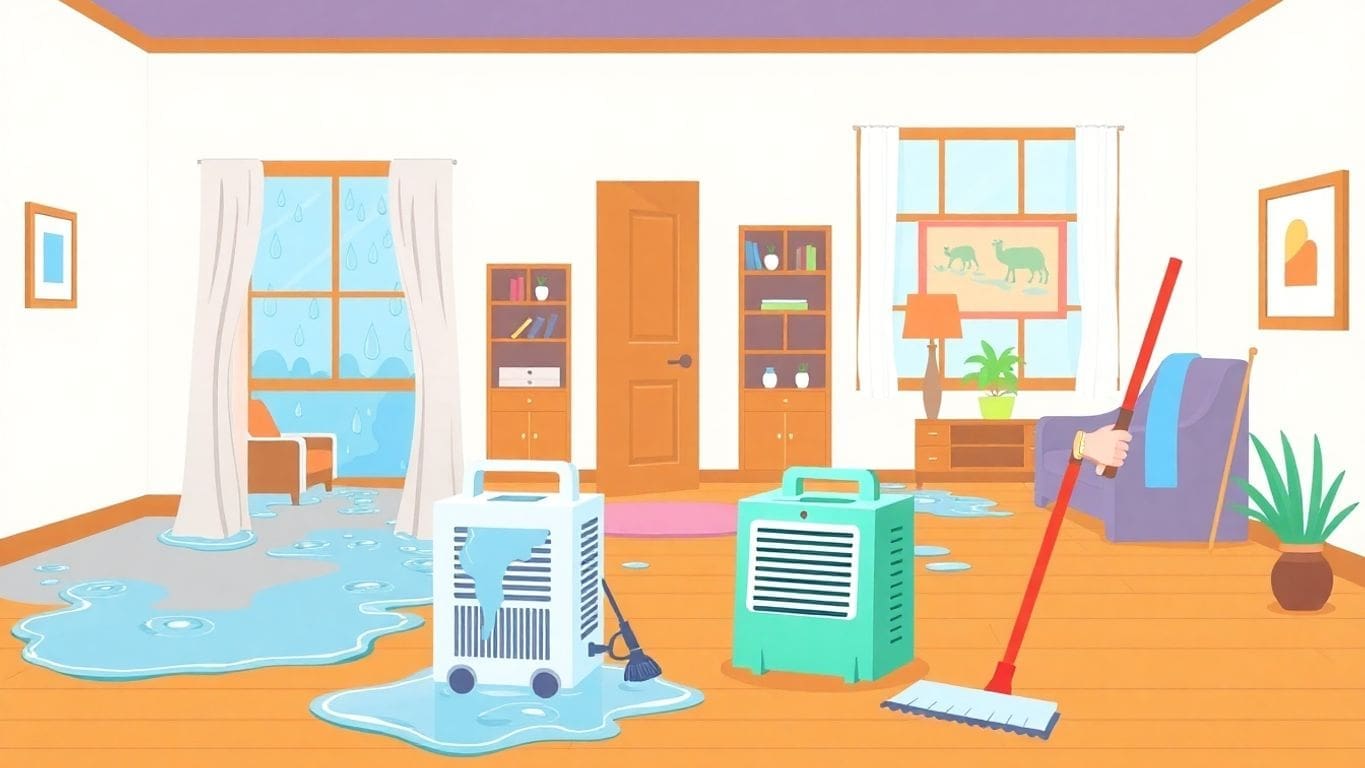
Sometimes, the air itself is the problem. If your home feels humid, a dehumidifier can help. These devices pull excess moisture from the air, making your home feel drier and more comfortable. They’re especially handy in basements or during rainy seasons. By keeping the air dry, you also reduce the chance of mold and mildew growing.
Keeping your home dry isn’t just about comfort—it’s about protecting your walls, floors, and even your health from water damage and mold.
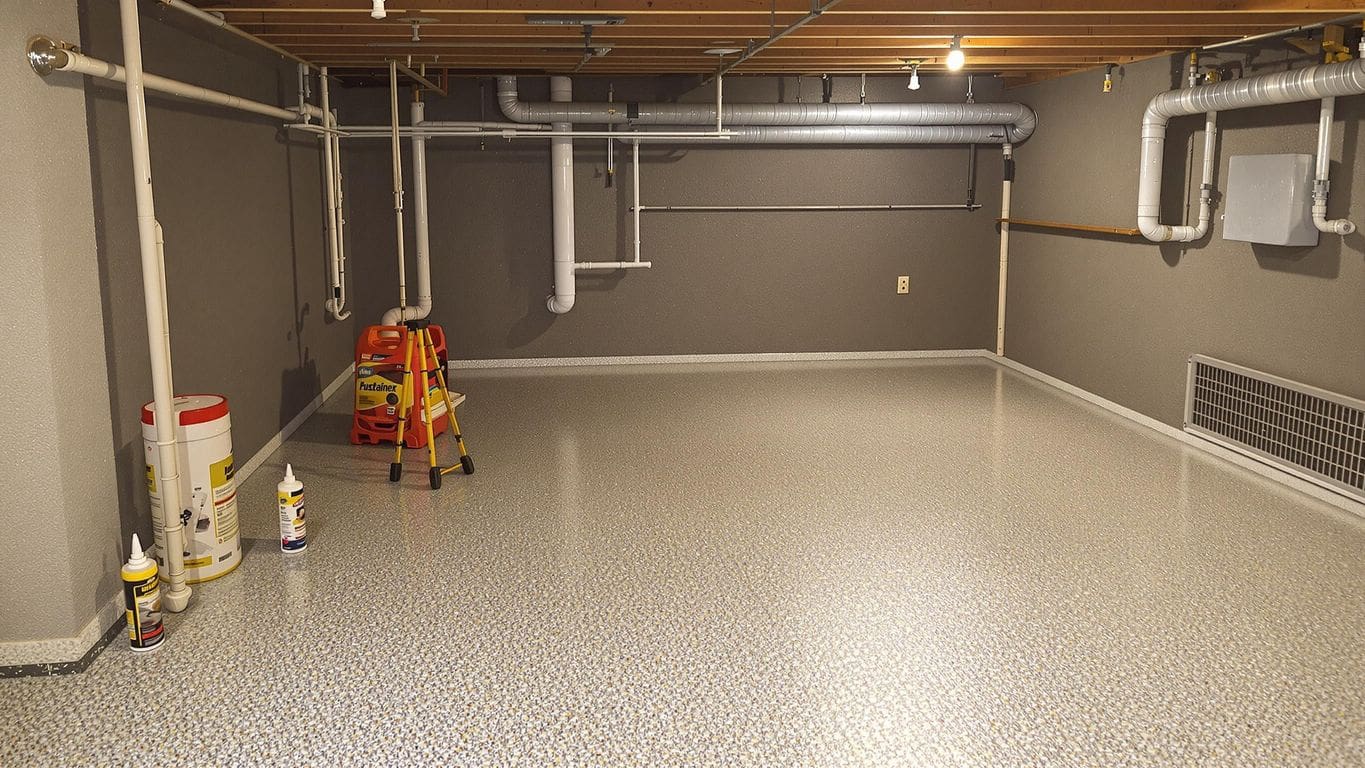
Basements are naturally vulnerable to water problems because they’re below ground level. Water from rain, melting snow, or high groundwater can seep through cracks in the foundation or walls. Poor drainage around your home can make this worse. Keeping water out is key to avoiding damage.
A sump pump is a must-have if your basement often gets wet. This device collects water in a pit and pumps it out before it can flood your space. Here are a few tips:
Moisture in basements creates the perfect environment for mold and mildew. These can harm your health and damage your home. To prevent this:
A dry basement isn’t just about comfort—it protects your home’s structure and your family’s health.
For more tips on keeping your basement dry, check out preventing water damage in basements.
A French drain is a simple yet effective way to keep water from pooling near your home. It’s basically a trench filled with gravel and a perforated pipe. The pipe collects water and redirects it away from your foundation. This prevents water from seeping into your basement or crawl space. If you often see standing water in your yard, a French drain might be the solution.
Here’s how it works:
French drains are great for areas with heavy rainfall or poor soil drainage. Think of them as a hidden defense against water damage.
If your yard slopes toward your home, water will naturally flow straight to your foundation. This can lead to flooding or foundation issues. Regrading your lawn fixes this by creating a slope that directs water away from your house.
Key steps to regrading:
Regrading might sound like a big project, but it’s worth it to protect your home from water damage.
Keeping your drainage systems in good shape is just as important as installing them. Clogged gutters or broken downspouts can ruin even the best drainage setup. Here’s what you should do:
Regular maintenance keeps water flowing where it should—away from your home. A little effort now can save you from big repairs later.
Keeping your gutters and downspouts clean is one of the simplest ways to prevent water damage. When debris like leaves and twigs clog your gutters, water can overflow and pool near your foundation. This increases the risk of leaks and structural damage. Make it a habit to clean your gutters at least twice a year, especially after heavy storms or in the fall when leaves drop.
Spotting small issues before they turn into big problems can save you time and money. Schedule a full home inspection annually to check for cracks in the foundation, gaps around windows and doors, and signs of moisture buildup. You can do a quick walkthrough yourself, but hiring a professional ensures nothing gets missed.
Don’t ignore small cracks or leaks. These minor issues can quickly grow into major headaches. Use caulk or sealant to patch up gaps around windows, doors, and pipes. For larger cracks in your foundation, consider using a waterproof repair compound. Staying on top of these repairs can prevent costly damage down the road.
Taking a proactive approach to maintenance not only protects your home but also gives you peace of mind. A little effort now can save you from bigger problems later.
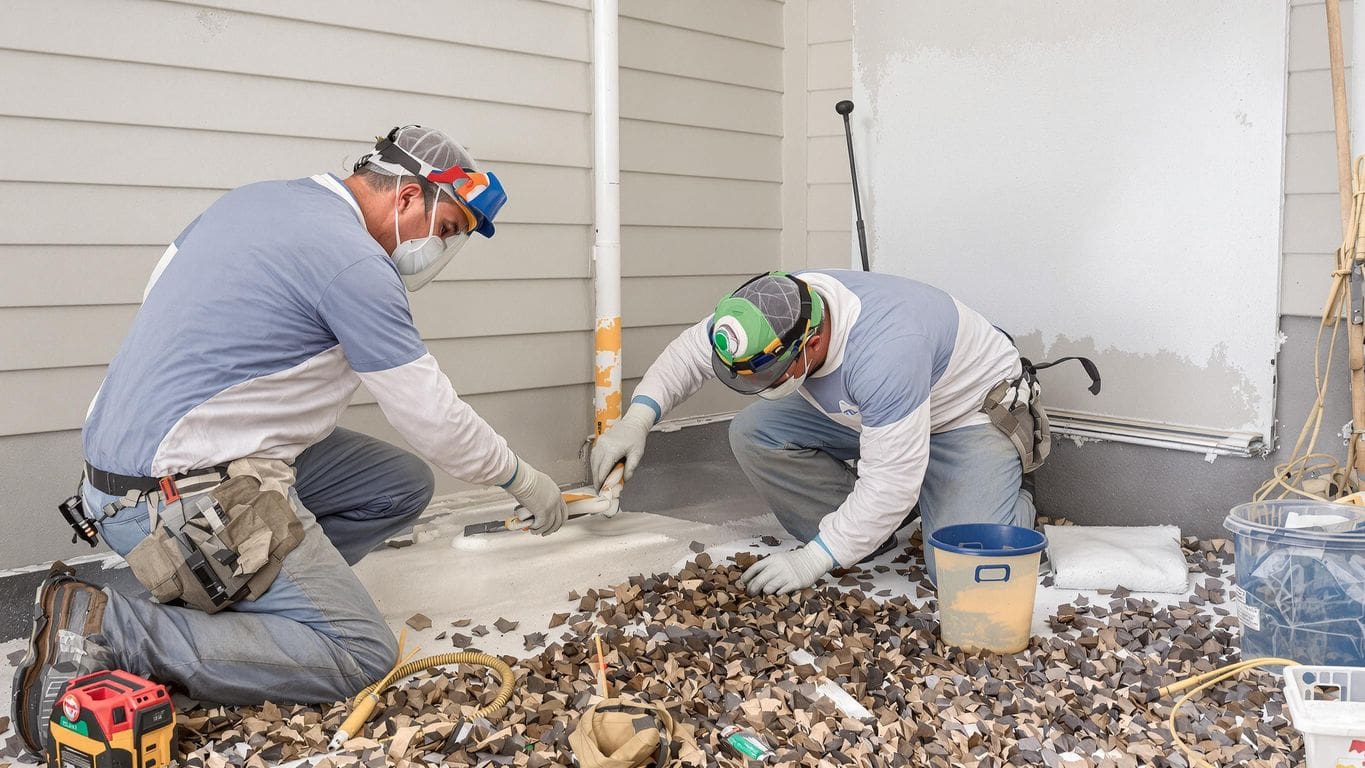
Sometimes, DIY fixes just won’t cut it. If you’re dealing with persistent leaks, major flooding, or mold that keeps coming back, it’s time to call in a professional. Experts have the tools and knowledge to find the root cause of water problems and fix them for good. Don’t wait too long—water damage can get worse fast.
When a waterproofing expert visits your home, they’ll do a detailed inspection. This usually includes:
They’ll explain their findings and suggest solutions, like installing a sump pump or sealing your foundation.
A thorough inspection can save you money by catching small issues before they become big problems.
Waterproofing services can vary in price depending on the problem and the solution. Here’s a rough idea:
| Service Type | Estimated Cost Range |
|---|---|
| Foundation sealing | $500 – $3,000 |
| Sump pump installation | $1,000 – $2,500 |
| Exterior waterproofing | $3,000 – $10,000 |
While the upfront cost might seem high, investing in waterproofing can save you from expensive repairs later. Plus, it helps protect your home’s value and keeps your living space safe and dry.
Water is one of the biggest threats to your home’s foundation. Over time, moisture can seep into cracks and weaken the structure. Waterproofing acts as a shield, keeping water out and preventing long-term damage. Think of it as an investment in your home’s future. Without it, you might face costly repairs down the road.
A damp home can lead to mold and mildew, which release tiny spores into the air. These can cause allergies, breathing issues, and even more serious health problems. By keeping moisture at bay, waterproofing helps create a healthier environment. Cleaner air means better living conditions for you and your family.
When it comes time to sell, a waterproofed home stands out. Buyers see it as a sign of care and fewer potential problems. A dry basement or well-maintained foundation can boost your home’s value significantly. Plus, it gives you peace of mind knowing you’ve made your property more appealing.
Choosing eco-friendly materials is a great way to protect your home and the planet. Look for products made from recycled or natural materials. For example:
By opting for these materials, you’ll reduce your environmental footprint while keeping your home safe from water damage.
Rainwater harvesting is a smart way to manage water around your home. Install a system to collect rainwater from your roof. Use it for watering plants, washing your car, or even flushing toilets. This helps reduce the amount of water that runs off into storm drains, which can cause flooding and erosion.
Bonus Tip: Adding a filtration system can make the water cleaner and more versatile for household use.
Green roofs are not just beautiful—they’re practical too. These are roofs covered with plants, which help absorb rainwater. They also act as an extra layer of insulation, keeping your home cooler in summer and warmer in winter.
Here’s a quick look at the benefits:
| Benefit | How It Helps |
|---|---|
| Reduces runoff | Absorbs rainwater |
| Improves insulation | Cuts heating/cooling costs |
| Eco-friendly | Supports local wildlife |
A green roof is an investment in both your home and the environment. It’s a win-win for everyone!
Home waterproofing involves techniques to prevent water from entering your house. It’s important because it protects your home’s structure, prevents mold, and keeps your living space dry and safe.
Look for signs like damp walls, musty odors, peeling paint, or water stains. Cracks in the foundation or pooling water around your home can also indicate water damage.
Key areas include the foundation, roof, windows, doors, and basement. Ensuring proper drainage around your home is also essential.
Gutters and downspouts direct rainwater away from your home’s foundation, preventing water from pooling and causing damage. Keeping them clean and functional is crucial.
Some tasks, like sealing cracks or applying waterproof paint, can be DIY. However, for major issues like foundation cracks or installing drainage systems, hiring a professional is recommended.
Eco-friendly options include using sustainable materials, installing green roofs, or setting up rainwater harvesting systems to reduce runoff.
It’s a good idea to inspect your home at least once a year, especially after heavy rains. Regular checks help catch small issues before they become big problems.
A sump pump helps remove water that collects in your basement, preventing flooding and reducing the risk of mold and mildew growth.

Business Owners: Join our insider newsletter for exclusive marketing strategies and growth opportunities for local services business.