How to Check for Water Damage in Your House: Essential Tips and Signs to Look For
If you’re a homeowner, knowing how to check for water damage in your house is super important. Water damage can…



Water damage isn’t just about soggy carpets and peeling paint. It can mess with your health in ways you might not expect. When water seeps into your home, it can lead to mold, mess with your air quality, and even hit you with stress. Knowing what to look out for and how to handle it can make a big difference.
Water damage can sneak up on you from various places. Burst pipes or leaky faucets are usual suspects. Sometimes, it’s the dishwasher or washing machine that overflows. Even a heavy storm can cause your roof to leak. In winter, freezing temperatures might make pipes burst. Knowing these risks helps you stay prepared.
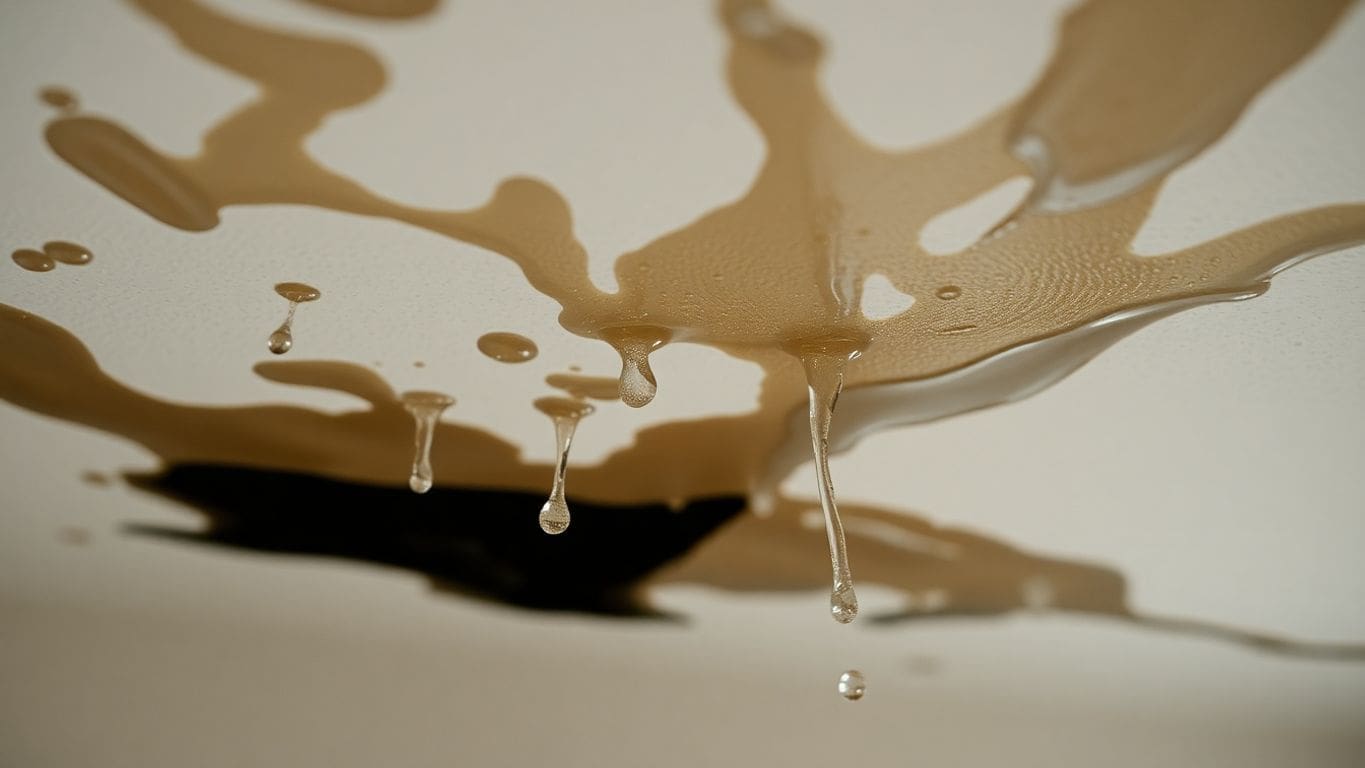
Spotting water damage early can save you a lot of trouble. Look for water stains on walls or ceilings. Puddles on the floor? That’s a big clue. Warped wood or drywall is another sign. Sometimes, you’ll notice a musty smell. These signs mean you should act fast to prevent bigger problems.
If water damage isn’t fixed quickly, it can cause long-term issues. Over time, water can weaken your home’s structure. Wood might rot, and metal can rust. Mold is another worry. It grows in damp places and can affect your health. The longer you wait, the worse it gets. Addressing these issues early is important to keep your home safe.
Water damage can do more than just harm your home; it can mess with the air you breathe. Let’s break down how it happens and what you can do about it.
When water sneaks into your home, it often brings along extra humidity. This dampness is like a welcome mat for mold. Mold loves to grow in wet spots, and once it starts, it can spread fast. Mold spores can float in the air, making it hard to breathe, especially if you have asthma or allergies. Keeping your home dry is key to stopping mold from taking over.
Breathing in air that’s been affected by water damage can be tough on your lungs. If there’s mold, it can make asthma and allergies worse. Even if you don’t have these problems, moldy air can still make you cough or feel like you can’t catch your breath. It’s important to fix water problems quickly to keep your air clean.
You can do a few things to keep your air safe after water damage:
Breathing clean air is essential for everyone’s health. After water damage, taking quick steps can help keep your home a safe place to live.
Mold loves damp places. When water seeps into your home, it creates the perfect environment for mold to grow. Mold can start to form in just a day or two if the conditions are right. Warmth, moisture, and darkness are all it needs. This is why basements, bathrooms, and attics often have mold problems.
Breathing in mold spores can be harmful. It can cause sneezing, coughing, and even make asthma worse. Some people might get skin rashes or itchy eyes. If you already have allergies or breathing issues, mold can make you feel even worse. It’s important to keep your home mold-free to stay healthy.
Getting rid of mold is not just about cleaning the surface. You need to fix the water problem first. Here are some steps to help:
Mold can be sneaky. Even if you can’t see it, it might be hiding behind walls or under floors. If you can’t get rid of it yourself, it might be time to call in the pros.
Water can get contaminated in many ways. Heavy rain can lead to floods, which might mix with sewage and chemicals from nearby places. This mix can be harmful. Floodwaters can contain:
Standing water, even if it’s just rain, can become a breeding ground for bacteria and mold. These can become airborne and are easy to inhale.
Contaminated water can cause several health problems. You might face:
To stay safe, always assume floodwaters are unsafe. Here are some tips:
If you notice any signs of illness after contact with floodwater, like fever or skin irritation, it’s best to see a doctor.
For more on cleaning up after water damage, check out this guide on effective cleanup steps.
Experiencing water damage in your home can be really stressful. It’s not just about the mess and the repairs. It’s also the worry about what might happen next time. You might feel anxious every time it rains. Anxiety can creep in when you think about the costs and the time it takes to fix everything.
Sometimes, water damage means you have to leave your home for a while. This can be tough. You might miss your usual routine and the comfort of your own space. Here’s how you can cope:
If you’re finding it hard to deal with stress or anxiety, it’s okay to ask for help. Talking to a mental health professional can make a big difference. They can help you find ways to manage stress and feel better.
Remember, it’s normal to feel upset after dealing with water damage. Seeking support is a strong step towards feeling better.
Children and older adults are more at risk when it comes to water damage. Their immune systems aren’t as strong, making them more likely to get sick from things like mold or bacteria in water. Children can easily put things in their mouths, so keeping them away from contaminated areas is important. For the elderly, even a small amount of mold can cause breathing problems.
If someone has a weak immune system, they need to be extra careful. Mold and bacteria can make them very sick. Here are some tips:
Communities can help by providing resources and support. Local groups might offer things like clean-up kits or safe places to stay. They can also give advice on how to handle water damage.
It’s important to know that you’re not alone. Communities often come together to help during tough times.
By knowing the risks and taking steps to stay safe, you can protect yourself and those you care about from water damage.
When water damage hits your home, it can lead to a drop in its value. Potential buyers might hesitate if they see signs of past water issues. Even if everything is fixed, the history of water damage can still make people wary. This can mean less money when you try to sell.
Fixing water damage can be expensive. It often involves more than just drying things out. You might need to replace walls, floors, or even furniture. Here’s a quick list of what might need fixing:
Dealing with water damage often means dealing with insurance. It’s important to know what your policy covers. Sometimes, insurance might not cover everything, leaving you with extra costs. It’s a good idea to read through your policy carefully and ask questions if you’re not sure.
Water damage can be a big headache, but knowing what to expect can help you manage the costs and stress.
Keeping your home safe from water damage starts with regular maintenance. Check your roof and gutters often to make sure they aren’t clogged with leaves or debris. A clear path for water prevents overflow and potential leaks. Also, inspect your plumbing for any signs of leaks or corrosion. A small drip can turn into a big problem if ignored.
While you can handle some checks yourself, it’s wise to have professionals inspect your home regularly. They can spot issues you might miss, like hidden leaks or structural problems. Hiring a pro might seem like an extra cost, but it can save you money in the long run by preventing serious damage.
Being ready for emergencies is crucial. Have a plan in place for what to do if water damage occurs. Know where your water shut-off valve is and how to use it. Keep important documents in waterproof containers and consider having an emergency kit with essentials like flashlights and batteries. Being prepared helps you act quickly and minimize damage.
Water damage can happen when you least expect it. By staying vigilant and prepared, you can protect your home and your peace of mind. Remember, a little effort now can prevent a lot of trouble later.
When water damage strikes, it can be overwhelming. Professional restoration services offer a lifeline. They have the know-how to tackle water damage efficiently and safely. Experts can spot hidden issues that might not be obvious to the untrained eye, like moisture in walls or floors. They also have the right tools for the job, ensuring thorough cleanup and drying.
Professionals use advanced techniques to restore your home. This includes high-tech equipment like industrial dehumidifiers and specialized moisture detectors. They follow a step-by-step process:
Picking the right company is key. Look for a service that is certified and has good reviews. They should offer 24/7 emergency services and use up-to-date equipment. Customer reviews can give you insight into their reliability and quality. Taking the time to choose wisely can save you headaches later on.
Quick action is important when dealing with water damage. The sooner you address the issue, the less damage it will cause.
In conclusion, hiring professionals for water damage restoration ensures your home is treated properly, minimizing long-term damage and stress.
Climate change is making floods happen more often and with greater intensity. Warmer temperatures mean more rain and melting ice, leading to rising water levels. This increase in flooding can damage homes, roads, and other important places. It’s not just about more water; it’s also about how fast it comes and how long it stays.
To deal with these changes, we need to prepare. This means building stronger barriers to keep water out and planning our cities better. Communities should have plans ready for when floods hit. Here are some steps to help adapt:
Thinking ahead is key. We must find ways to live with these changes. This includes using less energy from fossil fuels, which can help slow climate change. Communities need to work together to find solutions that last. It’s about making sure everyone is safe and healthy, now and in the future.
Climate change is not just about the weather. It’s about how we live and how we can protect our homes and families from the risks it brings.
When water damage hits, knowing your insurance policy is super important. Many people think they’re covered for everything, but that’s not always true. Policies can be tricky, with different rules for floods, leaks, and other water-related mishaps. You should check if your policy covers water damage from natural disasters or only certain types. Some policies might not cover damage from gradual leaks, so it’s good to know what’s included. If you’re unsure, call your insurance agent and ask them to explain what’s covered and what’s not.
If water damage happens, you have rights, but also responsibilities. For example, if your neighbor’s pipe bursts and floods your home, you might need to prove it was their fault to get compensated. On the flip side, if your plumbing causes damage to someone else’s property, you could be held responsible. It’s a good idea to know local laws about water damage and property. Sometimes, hiring a lawyer can help you understand your rights and what steps to take next.
Filing a claim for water damage can be a hassle. You need to document everything—take photos, keep receipts, and write down dates. If your claim gets denied, don’t panic. You can appeal the decision or even hire a public adjuster to help. These folks are experts in dealing with insurance companies and can make sure you get a fair deal. If things get really complicated, you might end up in a dispute with your insurer. In such cases, mediation or legal action might be needed.
Water damage can be overwhelming, but knowing your insurance and legal options can make the process smoother. Always stay informed and prepared to deal with unexpected situations.
Water damage often comes from unexpected sources like burst pipes, overflowing appliances, or roof leaks during storms. In cold climates, frozen pipes can burst, while heavy rainfall can lead to flooding.
Look for water stains on walls or ceilings, puddles on the floor, and warped surfaces. You might also notice a musty smell from mold starting to grow.
Water damage increases humidity, which can lead to mold growth. Mold spores in the air can cause breathing problems and allergies.
Mold can cause allergies, asthma attacks, and other breathing issues. It’s especially harmful to children, the elderly, and people with weakened immune systems.
Dealing with water damage can be stressful and cause anxiety, especially if it leads to displacement or significant property loss. It’s important to seek support if you’re feeling overwhelmed.
Yes, water damage can lower property value, and repairs can be expensive. It’s important to have insurance and understand your policy to help cover costs.
Regularly check your roof and plumbing for leaks, keep gutters clean, and insulate pipes to prevent them from freezing. Having a sump pump can also help in flood-prone areas.
Climate change has led to more extreme weather events, like heavy rainfall and flooding, increasing the risk of water damage. Adapting to these changes is crucial for prevention.

Business Owners: Join our insider newsletter for exclusive marketing strategies and growth opportunities for local services business.