Does Water Damage Cause Roaches? Understanding the Connection Between Moisture and Pest Infestations
Ever wonder why those pesky roaches seem to pop up right after a leak or flood? It’s not just coincidence.…



If you find yourself dealing with water in your house, it can feel pretty overwhelming. But don’t panic! There are some clear steps you can take right away to minimize damage and keep your home safe. Knowing what to do if water gets in your house is key to preventing bigger problems down the line. Let’s break down the essential steps you should follow immediately after discovering water damage.
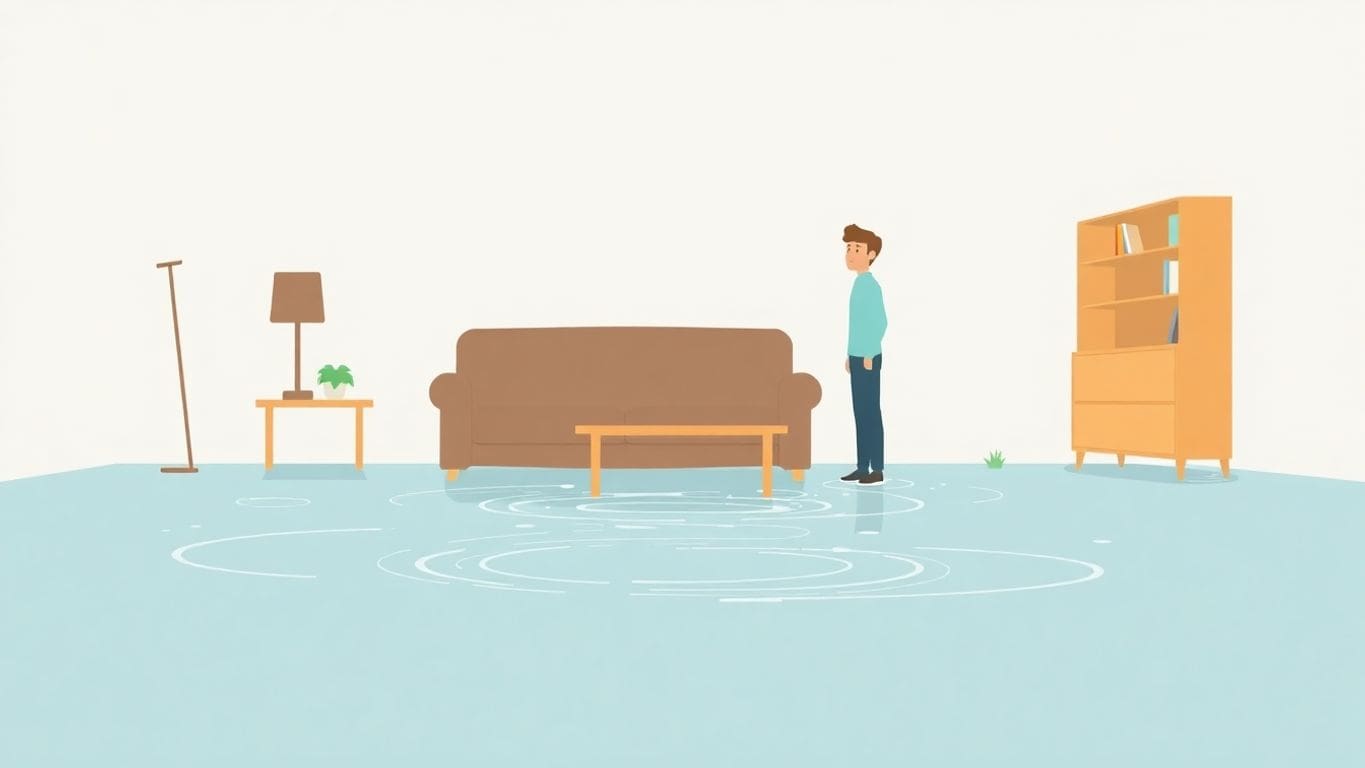
Okay, so you’ve got water in your house. That’s not good, but don’t panic! First things first, we need to make sure everyone is safe. Take a deep breath, and let’s figure out what’s going on.
Before you do anything else, look around for anything that could be dangerous. Are there any electrical outlets near the water? Is the ceiling sagging like it might fall? These are immediate hazards you need to watch out for. If you see any electrical issues, don’t touch anything and turn off the main power.
Water damage can be gross. It can have bacteria and other nasty stuff in it. Before you start wading around, put on some protective gear. Think rubber gloves, boots, and maybe even a mask. You don’t want to get sick from the water. Here’s a quick list:
Now that you’re safe, take a look at how bad the damage is. How much water is there? Which rooms are affected? Is it just a little leak, or is your house flooding? Knowing how much damage there is will help you figure out what to do next.
Understanding the scope of the damage is super important. It helps you decide if you can handle it yourself or if you need to call in the pros. Don’t underestimate the power of a good assessment!
After you’ve checked everything and made sure everyone is safe, it’s time to stop the water and turn off the power and gas. This helps keep things from getting worse.
First, figure out where the water is coming from. Is it a burst pipe? A leaky appliance? Knowing the source helps you stop it quickly. Common causes include:
If you can find the main water valve, turn it off. This stops water from flowing into the house. The valve is usually near the water meter or where the main water line enters your home. If you can’t find it, call a plumber. It’s important to act fast to prevent more damage.
It’s also important to turn off the gas and electricity. This helps prevent fires or electric shock. The gas shut-off is usually outside, near the gas meter. For electricity, go to your breaker box and turn off the breakers that control the wet areas. If the water is high, don’t try to reach the breaker box. Call a professional instead.
If you smell gas, get out of the house right away and call for help. Water damage can sometimes affect gas lines, and it’s better to be safe.
After water messes up your house, it’s super important to get everything on record for your insurance. This helps when you file a claim. Think of it like making a case for what happened. The more details you have, the smoother things will go.
Grab your phone or camera and start snapping pictures and shooting videos. Get the big picture – show entire rooms that got hit. Then, zoom in on the small stuff, like ruined furniture or damaged stuff. If you can, try to get shots of where the water came from. This gives your insurance company a better idea of what went down.
Make a list of everything that got wrecked. Write down what it was, how old it was, and about how much it cost. If you still have receipts, even better! Insurance companies might ask for this info to figure out how much they owe you. Here’s an example of how you could organize it:
| Item | Original Value | Damaged Value |
|---|---|---|
| Couch | $800 | $0 |
| TV | $500 | $200 |
| Rug | $200 | $50 |
Your insurance policy is like a rule book. It tells you what’s covered and what’s not. Read it carefully, or call your insurance agent and ask them to explain it. Knowing your policy helps you understand what to expect and makes sure you get what you deserve.
It’s a good idea to keep all your papers about the water damage in one place. This includes photos, lists of damaged stuff, and any emails or letters from your insurance company. This way, you’ll have everything you need when you talk to them.
Okay, so you’ve got water in your house. After you’ve made sure everyone is safe and you’ve documented the damage, it’s time to get rid of that water! The faster you remove the water, the less damage it will cause. Water can really mess things up if it sits for too long. Let’s get to it!
For big puddles, you’ll need some serious tools. A wet/dry vacuum is your best friend here. It’s like a regular vacuum, but it can suck up water without getting ruined. If you have a lot of water, like from a flood, you might even need a pump. You can rent these from most hardware stores. Get as much water out as you can with these tools.
After you’ve used the pump or wet vac, there will still be some water left. Grab some mops and towels to soak up the rest. Don’t forget to get into corners and along walls. Water loves to hide! Squeeze out the mops and towels often, and keep going until everything feels as dry as possible. This is important to prevent mold growth later on.
If you have a lot of water, or if you’re not sure you can get it all out yourself, it’s a good idea to call in the pros. Restoration companies have special equipment, like powerful pumps and dehumidifiers, that can get your house dry much faster. They also know how to check for hidden moisture and prevent mold. Plus, dealing with water damage can be stressful, and they can take some of the burden off your shoulders.
Removing standing water quickly is super important. The longer water sits, the more damage it can do. It can soak into your walls, floors, and furniture, causing rot, mold, and other problems. So, don’t wait – get that water out ASAP!
Okay, so you’ve gotten rid of the standing water. Great! Now, it’s super important to dry everything out completely. If you don’t, you could end up with mold, and nobody wants that. Drying things well is one of the most important water damage restoration steps you can take.
First, open up all the windows and doors you can. You want to get as much fresh air flowing through the house as possible. This helps to get rid of the dampness. If it’s raining outside, though, maybe hold off on this step until it clears up!
Next, bring in the fans and dehumidifiers. Fans help air circulate, and dehumidifiers pull moisture out of the air. Place them strategically around the affected area. A dehumidifier is especially effective in reducing moisture levels in the air. Make sure to empty the dehumidifier regularly, as it will fill up with water pretty quickly.
Don’t just focus on what you can see. Water can seep into walls, under floors, and in other hidden spots. Check for damp spots or discoloration. If you suspect there’s moisture hiding, you might need to call in a professional with special equipment to detect it. Ignoring hidden moisture can lead to bigger problems down the road.
Drying the area thoroughly is key to preventing mold growth and further damage. Make sure to address both visible and hidden moisture to ensure a complete and effective drying process.
Okay, so you’ve got water in your house. It’s time to think about your stuff. Some things can be saved, and some, sadly, can’t. Let’s figure out how to protect what matters most.
First things first, get those wet items out of the water! Wear gloves and maybe a mask. You don’t want to touch nasty water. Be gentle. Don’t just yank things out. Think about what you’re doing. The longer things sit in water, the worse they get. So, act fast. Move everything to a dry area. This could be another room or even outside if the weather is good. Just make sure it’s a safe spot. You might need to call for emergency water clean up if the damage is extensive.
Got important papers? Birth certificates? Insurance stuff? Photos? These need special care. Don’t just pile them up. Lay them out flat to air dry. You can use paper towels to soak up extra water. But be careful not to smear anything. For photos, handle them by the edges. If they’re stuck together, don’t force them apart. Let them dry a bit first. You can also try freezing wet documents to buy yourself some time. This stops the damage and gives you a chance to deal with them later. It sounds weird, but it works!
Electronics and water don’t mix. At all. Unplug anything that’s wet before you even touch it. Safety first! Don’t try to turn anything on. That’s a big no-no. Take out the batteries if you can. Then, put the electronics in a dry place. Let them air dry for a few days. Don’t use a hairdryer or anything like that. That can make things worse. If it’s something important, like a computer, you might want to take it to a professional. They can clean it and see if it can be saved. Electronics are tricky, so don’t risk it if you’re not sure what you’re doing.
It’s a good idea to make a list of everything that’s damaged. This will help when you talk to your insurance company. Take pictures too. The more proof you have, the better. And remember, don’t throw anything away until your insurance company says it’s okay.
Mold can start growing fast after water damage. It only takes about a day or two. So, after you’ve dried things out, it’s important to check for mold. Mold can cause health problems, so you want to take care of it quickly.
Look closely in places that were wet. Check walls, floors, and behind furniture. You’re looking for:
It’s easy to miss mold, especially if it’s hidden. Take your time and look carefully. If you’re not sure, it’s always best to ask someone who knows about mold to take a look.
If you find a small amount of mold, you might be able to clean it yourself. You can buy mold removal products at most stores. Make sure to follow the directions on the product. Wear gloves and a mask to protect yourself.
If you see a lot of mold, or if you’re not sure how to clean it, it’s best to call a professional. Mold remediation is when experts come in and get rid of the mold safely. They have special tools and know how to stop the mold from coming back. They can also find mold that you can’t see. It’s worth the cost to make sure your home is safe and healthy.
Here’s why you might need a pro:
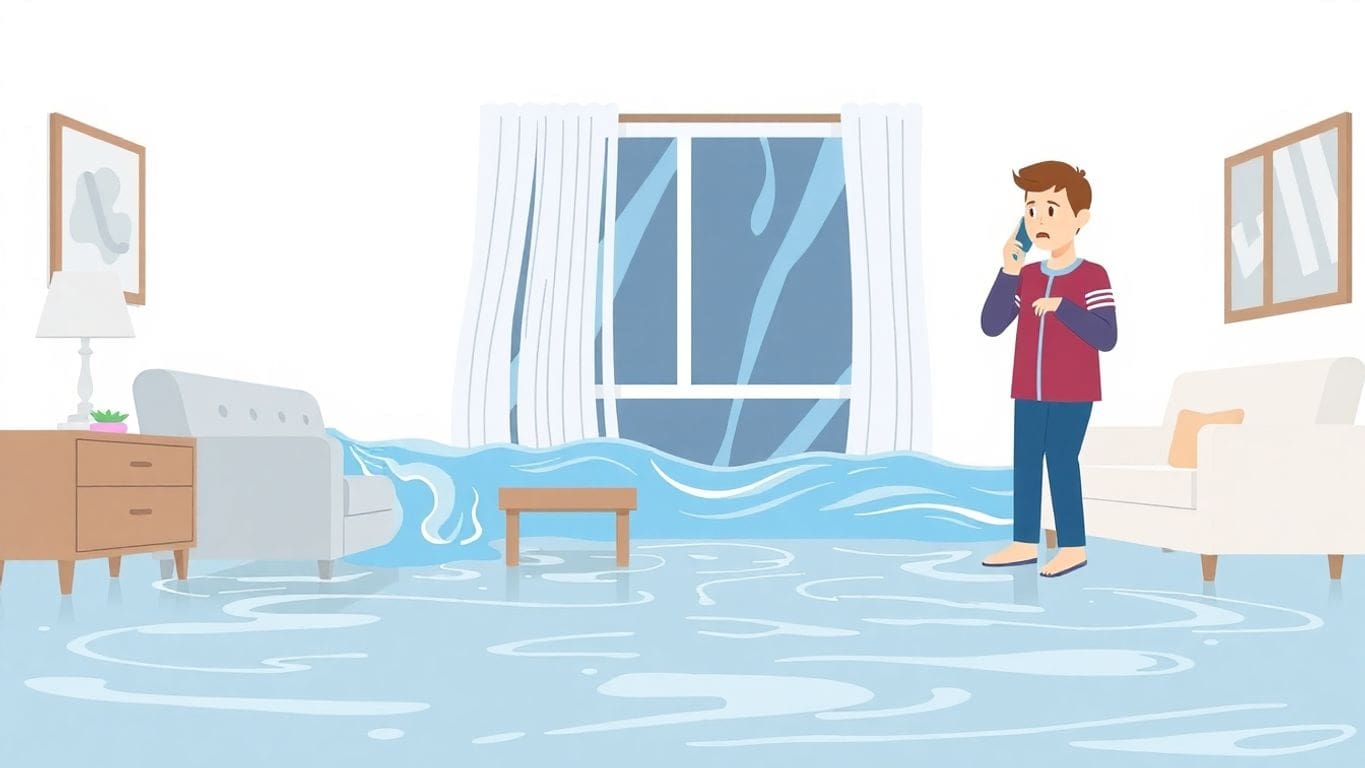
Sometimes, water damage is too much to handle on your own. That’s when it’s time to call in the pros. They have the tools and know-how to get your house back to normal. Plus, they can spot problems you might miss, like hidden mold.
Look for companies that are certified. This means they’ve been trained and know how to do the job right. A good place to start is by searching for IICRC certification. Make sure they have experience with water damage like yours. Ask for references and check online reviews. You want someone you can trust to do a good job.
Don’t just go with the first company you find. Get quotes from at least three different companies. This helps you compare prices and services. Make sure each quote includes the same work so you can compare them fairly. Ask about any extra costs that might come up.
Before you hire someone, ask them to explain what they’ll do. The restoration process usually includes removing water, drying everything out, cleaning, and fixing any damage. Make sure they check for mold and know how to get rid of it. A good company will keep you informed every step of the way.
Hiring professionals can give you peace of mind. They can handle the tough stuff and make sure your home is safe and dry again. It’s worth the cost to avoid bigger problems down the road.
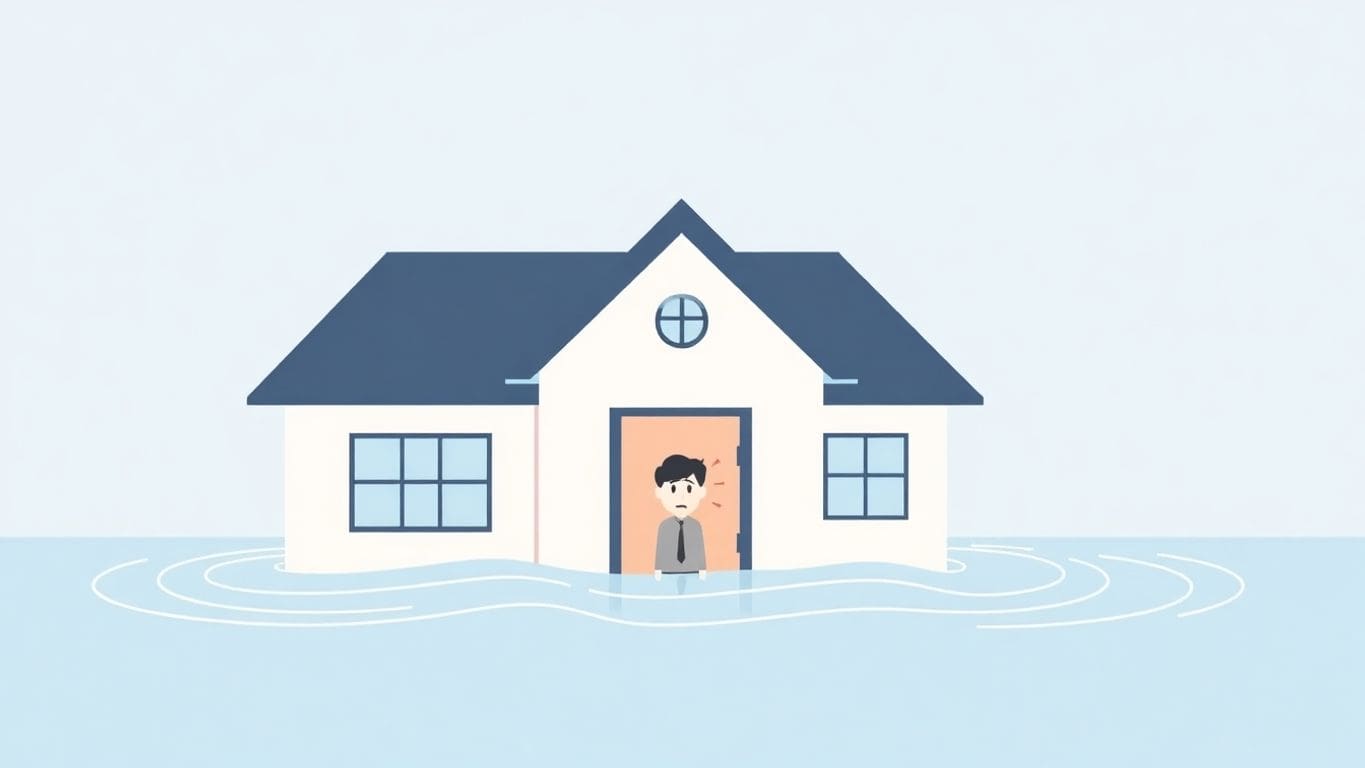
Okay, so you’ve dealt with the water damage. Now, let’s talk about stopping it from happening again. It’s all about being proactive and taking some simple steps to protect your home. Trust me, a little prevention goes a long way!
Think about where water could easily get in. Basements and crawl spaces are big ones. Sealing and waterproofing these spots can really cut down on your risk. You can use special paints or sealants to keep water out. It’s like giving your house a raincoat! Also, make sure your yard slopes away from your foundation so water doesn’t pool there. You might want to consider water damage prevention.
Your pipes are like the veins of your house. Check them regularly for leaks or drips. Look under sinks, around toilets, and in your basement. If you catch a small leak early, you can fix it before it turns into a big problem. It’s also a good idea to have a plumber come out once a year to check your whole plumbing system. They can spot things you might miss. Regular maintenance is key!
Your home’s outside is its first line of defense against water. Make sure your gutters are clean so water can drain away properly. Check your roof for missing or damaged shingles. Seal any cracks in your foundation. All these things can help keep water out of your house.
Keeping your home in good shape is the best way to prevent water damage. It’s like taking care of your car – regular maintenance will keep it running smoothly for years to come.
Here’s a quick checklist to help you:
It’s a good idea to learn about water damage so you can protect your home. Knowing what causes it and how to spot it can save you a lot of trouble.
Water damage can happen for many reasons. Some common causes include:
Understanding these causes helps you take steps to prevent them. For example, you can check your pipes regularly and make sure your appliances are in good shape.
It’s important to know what to look for. Here are some signs of water damage:
If you see any of these signs, act fast. The sooner you deal with the problem, the less damage it will cause.
Pay attention to the weather forecast. If there’s a chance of heavy rain or flooding, take steps to protect your home. This might include:
Staying informed can help you prevent future water damage and keep your home safe.
First, check if it’s safe to move around. Then, stop the water source, document the damage for insurance, remove any standing water, and start drying the affected area.
Look for hazards like exposed wires or sagging ceilings. If you see anything dangerous, turn off the power and avoid the area.
Find where the water is coming from, like a broken pipe or overflowing sink, and turn off the main water supply. If you can’t find it, call a plumber.
Documenting the damage with photos and a list helps you file an insurance claim later. It shows what was damaged and how much it might cost to fix.
Use a wet vacuum or a pump to get rid of standing water. If there’s a lot, you might need to call a professional to help.
Open windows and doors for ventilation, use fans and dehumidifiers, and check for hidden moisture in walls and floors.
Carefully remove wet items, air dry important documents, and store electronics in a safe, dry place.
Make sure the area is completely dry. If you see any mold, use mold removal products, or consider hiring a professional to handle it.


Business Owners: Join our insider newsletter for exclusive marketing strategies and growth opportunities for local services business.