Restore Results Logo
Water Fire Repair Icon

Exploring the Different Types of Home Water Damage: A Comprehensive Guide

Water damage is a serious issue that can affect homes in various ways. From leaks to floods, the different types of home water damage can lead to costly repairs and health risks. This guide will help you understand the various kinds of water damage, their sources, and what you can do to prevent and address them effectively. By the end, you’ll have the information needed to protect your home from water-related problems.

Key Takeaways

  • Water damage falls into three main categories: clean, grey, and black water.
  • Identifying the source of water damage is key to effective restoration.
  • Ignoring water damage can lead to mold growth and structural issues.
  • Regular home maintenance can significantly reduce the risk of water damage.
  • In case of water damage, acting quickly and contacting professionals is crucial.

Understanding Water Damage In Its Full Spectrum

Water damage can be a real headache. It’s not just about a little spill; it can turn into a big problem fast. Let’s look at the different sides of water damage so you know what you’re up against.

Types Of Water Damage

There are different kinds of water damage, and it’s good to know what they are. Water damage is often put into three groups based on how dirty the water is:

  • Clean water: This is from a source that’s safe, like a leaky faucet or a broken water pipe. It’s not dangerous right away, but it can still cause problems if it’s not cleaned up.
  • Grey water : This water is a bit dirty. It might come from a dishwasher or washing machine. It has some germs and chemicals, so it’s not safe to drink or touch without protection.
  • Black water: This is the worst kind. It has lots of bad stuff in it, like sewage or chemicals. It can make you really sick, so you need to be very careful.

Sources Of Water Damage

Water damage can come from many places. Here are some common ones:

  • Leaky roofs
  • Burst pipes
  • Flooding from storms
  • Sewer backups
  • Appliances like washing machines or dishwashers that leak

Implications Of Water Damage

Water damage can cause a lot of problems. It’s not just about wet floors or walls. Here’s what can happen:

  • Mold growth: Mold loves wet places. It can grow quickly and cause health problems.
  • Damage to your home’s structure: Water can rot wood and weaken walls and floors. This can make your home unsafe.
  • Electrical problems: Water and electricity don’t mix. Water damage can cause short circuits and even fires.
  • Health issues: Besides mold, dirty water can spread germs and make you sick. It’s important to deal with water damage quickly to protect your health. Understanding water damage is key to preventing long-term issues.

Identifying Clean Water Damage

Clean water damage is the least harmful type of water damage you can have in your home. It comes from sources that don’t pose an immediate health risk. But, don’t let that fool you! Any water damage needs quick action to prevent bigger problems.

Common Sources

Clean water usually comes from broken pipes or leaking faucets. Rainwater can also be considered clean if it hasn’t touched contaminated surfaces. Here are some typical sources:

  • Burst Pipes: A sudden pipe burst can release a lot of clean water quickly.
  • Leaky Faucets: A slow drip might seem harmless, but it can cause damage over time.
  • Rainwater: If your roof leaks during a storm, the rainwater is usually clean unless your roof is dirty.

Health Risks

Even though it’s called "clean," this water can still cause problems. If left for more than 48 hours, clean water can turn into grey water, which is contaminated. Here’s what you need to know:

  • Mold Growth: Water creates a perfect place for mold to grow. Mold can cause allergies and breathing problems.
  • Bacterial Growth: Standing water can become a breeding ground for bacteria.
  • Structural Damage: Water can weaken wood and other building materials.

It’s important to act fast. The longer water sits, the more damage it can do. Even clean water can cause big problems if you don’t dry it up quickly.

Restoration Process

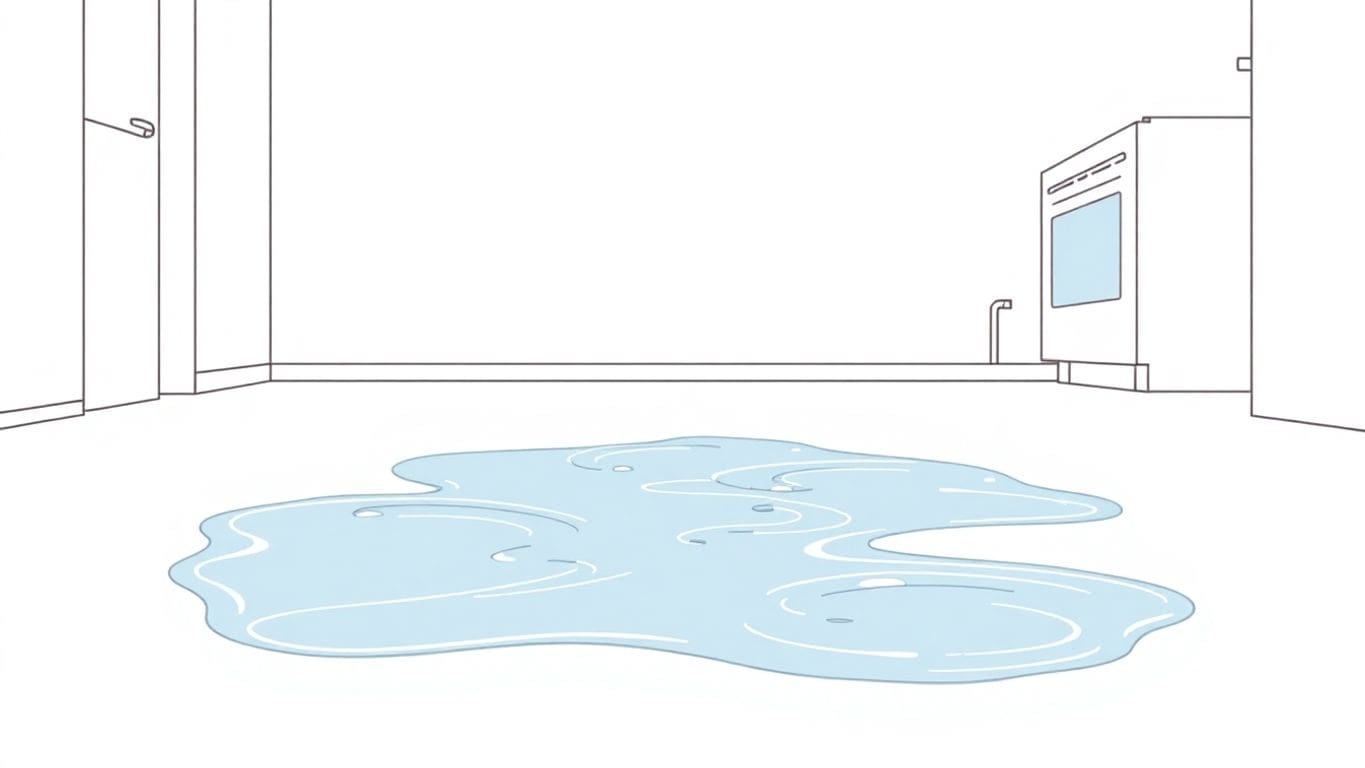
Fixing clean water damage involves removing the water, drying the area, and preventing mold. You might be able to handle small cleanups yourself, but big problems need a pro. Here’s what the process usually looks like:
  1. Stop the Source: First, turn off the water to stop more from coming in.
  2. Remove the Water: Use towels, mops, or a wet/dry vacuum to get rid of the water.
  3. Dry the Area: Use fans and a dehumidifier to dry everything out. This can take several days.
  4. Clean and Disinfect: Clean all surfaces with soap and water. Then, disinfect to kill any bacteria or mold spores.
  5. Monitor: Keep an eye on the area for any signs of mold growth. If you see mold, call a professional.

Exploring Grey Water Damage

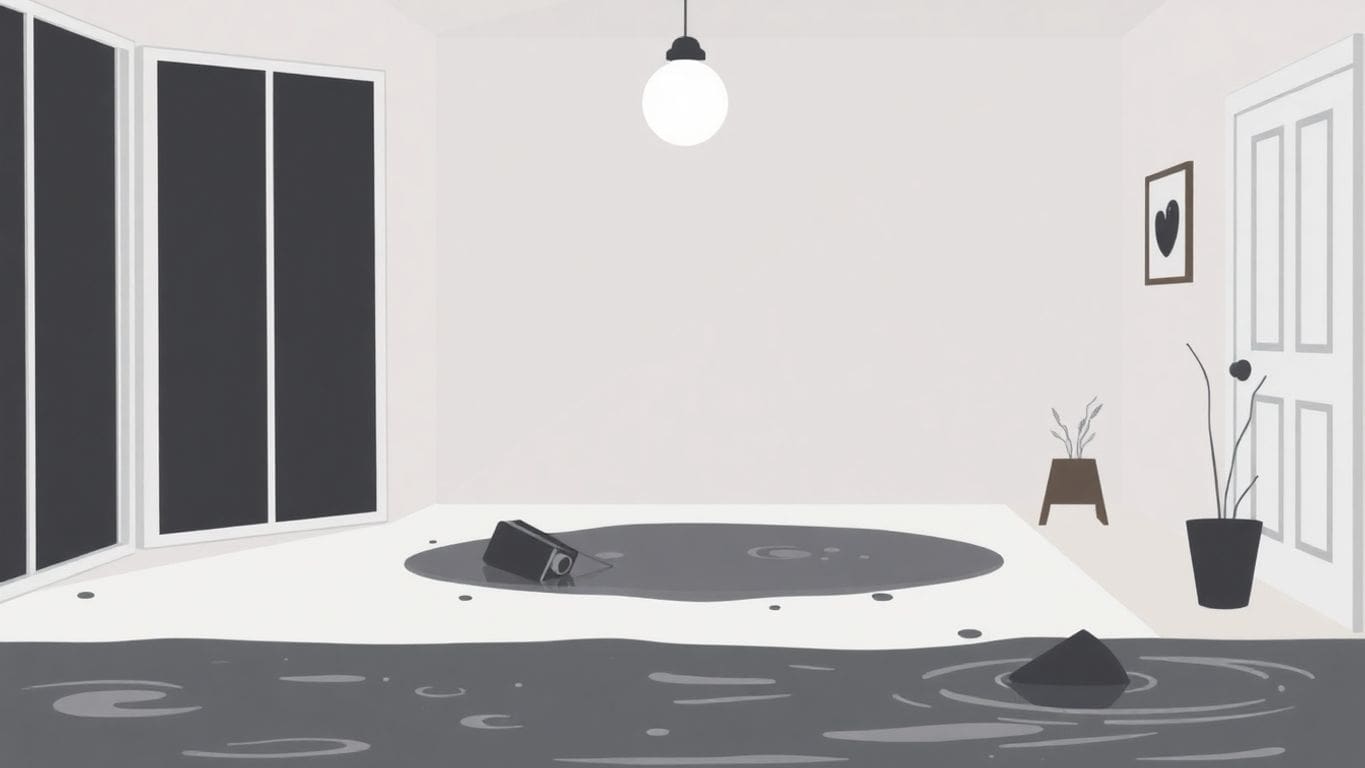
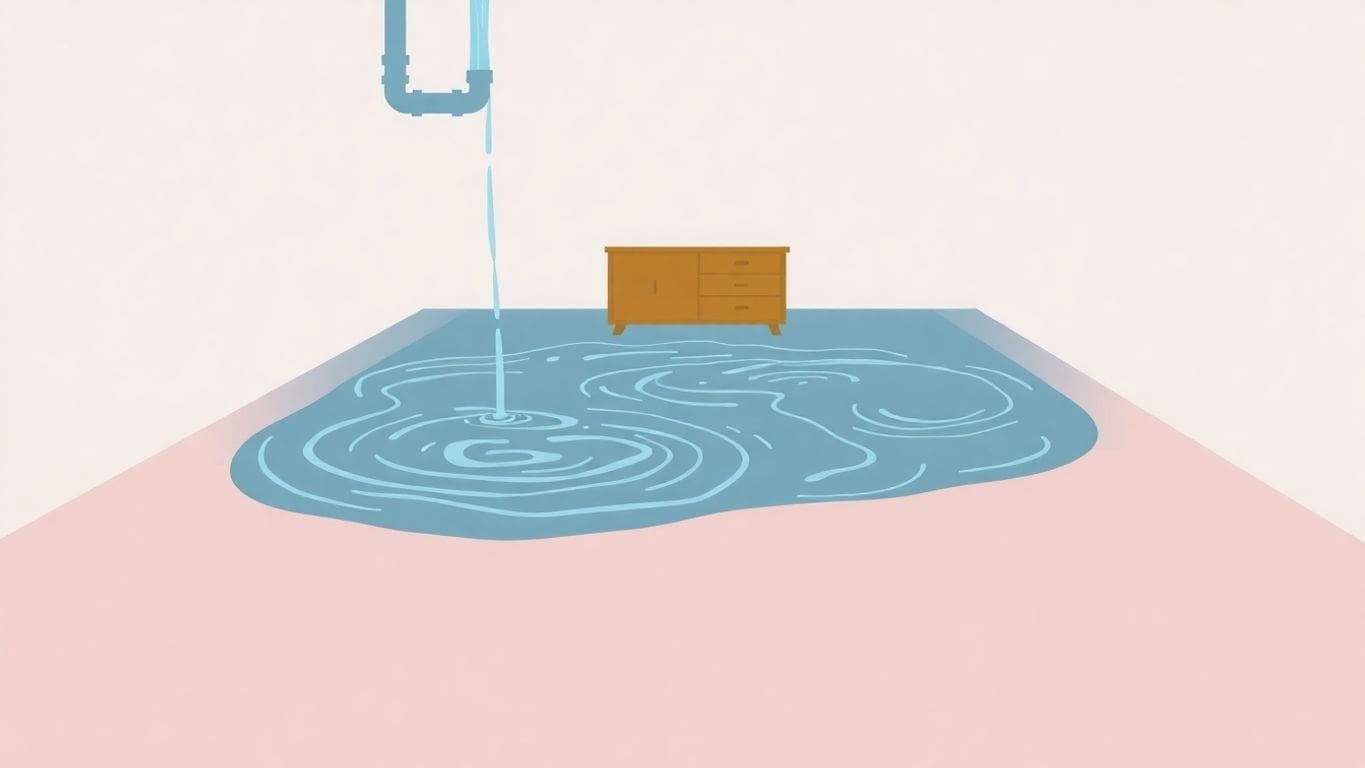
Minimalist illustration of grey water damage in a home.

Grey water damage is a step up in seriousness from clean water. It’s important to know what it is and how to handle it to keep your home and family safe.

Characteristics Of Grey Water

Grey water isn’t as bad as black water, but it’s not good either. It’s water that has some level of contamination, meaning it’s not safe to drink or have prolonged contact with. Think of water from your washing machine, dishwasher, showers, and sinks. It might contain soap, detergents, food particles, or other mild contaminants. It’s not sewage, but it’s also not something you want to ignore. The color may not always be grey; it’s more about what’s in the water.

Potential Hazards

Grey water can cause problems if you’re not careful. Here’s what you need to watch out for:

  • Bacteria and Microorganisms: Grey water can have bacteria that can make you sick if you ingest it or if it gets into cuts or wounds.
  • Skin Irritation: The chemicals in soaps and detergents can irritate your skin, especially if you’re sensitive to them.
  • Unpleasant Odors: If left untreated, grey water can start to smell bad as bacteria grow.
  • Mold Growth: Like any water damage, grey water can lead to mold growth if not dried quickly and properly. Mold can cause respiratory problems and other health issues.

Dealing with grey water quickly is key. The longer it sits, the more problems it can cause. It’s not just about the immediate cleanup; it’s about preventing long-term issues like mold and structural damage.

Mitigation Strategies

If you have grey water damage, here’s what you should do:
  1. Stop the Source: Find and stop the leak or overflow that’s causing the grey water. This might mean turning off a water supply or fixing a leaky appliance.
  2. Ventilate the Area: Open windows and use fans to help dry out the affected area. Good airflow can prevent mold growth.
  3. Remove the Water: Use a wet/dry vacuum or towels to remove as much water as possible. The faster you remove the water, the less damage it will cause. For emergency water clean up, time is of the essence.
  4. Clean and Disinfect: Clean all surfaces that came into contact with the grey water. Use a disinfectant to kill any bacteria or microorganisms. Make sure to wear gloves and eye protection during this step.
  5. Dry Thoroughly: Make sure everything is completely dry before you stop the drying process. Use fans and a dehumidifier to remove any remaining moisture. This can take several days, depending on the extent of the damage.
  6. Consider Professional Help: If the grey water damage is extensive or if you’re not comfortable cleaning it up yourself, call a professional water damage restoration company. They have the tools and expertise to safely and effectively remove the water and prevent further damage.

Understanding Black Water Damage

Vector art of a home flooded with black water.

Black water damage is the worst kind of water damage you can get in your home. It’s super important to know about it so you can protect yourself and your family. Let’s break down what it is, where it comes from, and how to deal with it.

Sources Of Contamination

Black water comes from really nasty places. Think about these:

  • Sewage backups: When your toilet overflows or the sewer line backs up, that’s black water. It’s full of yucky stuff.
  • Flooding from rivers or oceans: If a river floods your house or a storm surge from the ocean comes in, that water is likely contaminated.
  • Groundwater: Water that seeps into your home from the ground can also be black water, especially if it’s been sitting for a while.

Health Risks Involved

Black water is dangerous because it’s full of harmful things that can make you sick. It’s teeming with bacteria, viruses, and parasites. Here’s what you need to watch out for:

  • Infections: You can get infections through cuts or by swallowing contaminated water.
  • Skin problems: Contact with black water can cause rashes and other skin issues.
  • Respiratory issues: Breathing in the fumes or tiny droplets can lead to lung problems.

Remember, never try to clean up black water without the right safety gear. It’s just not worth the risk.

Cleanup Procedures

Cleaning up black water is a job for the pros. Here’s what they usually do:

  1. Safety first: They wear protective gear like gloves, masks, and suits to avoid getting sick.
  2. Water removal: They use special equipment to suck up all the contaminated water.
  3. Disinfection: They clean and disinfect everything that came into contact with the water. This often involves using strong chemicals.
  4. Material removal: Anything that can’t be properly cleaned, like carpets or drywall, needs to be removed and thrown away. This is to prevent mold and further contamination. The average cost of water damage repair can vary based on the water type.

| Step | Description

The Impact Of Floodwaters

Floodwaters can be really scary. They can cause a lot of damage to your home and everything in it. It’s important to know what causes floods, what risks they bring, and how they can affect you in the long run.

Causes Of Flooding

Flooding can happen for many reasons. Sometimes, it’s because of heavy rain that just won’t stop. Other times, it’s because a river overflows its banks. Coastal areas can flood because of storm surges from hurricanes or other big storms. Poor drainage systems can also cause flooding, especially in cities. Even a broken dam can lead to a major flood. Understanding the causes of flooding can help you prepare.

Structural Risks

Floodwaters can really mess up your house. The water can weaken the foundation, which is like the backbone of your home. It can also rot wood and rust metal, making your house unsafe. Standing water can damage walls and floors, and even cause ceilings to collapse. It’s not just the water itself, but also the mud and debris it leaves behind that can cause problems.

Long-Term Effects

The effects of a flood can last a long time. Mold can grow quickly in wet areas, causing health problems. Floodwaters can also contaminate your drinking water, making it unsafe to use. Plus, the cost of repairing flood damage can be very high. It can take months or even years to fully recover from a flood.

Dealing with flood damage is tough. It’s important to act fast to clean up and repair your home. This will help prevent further damage and protect your health.

Detecting Water Damage In Your Home

It’s super important to keep an eye out for water damage in your home. Catching it early can save you a lot of money and stress. Water damage can be sneaky, but there are signs you can learn to spot. Let’s go over what to look for.

Signs To Look For

Okay, so what are the actual signs of water damage? Here’s a list to get you started:

  • Stains on walls or ceilings: Look for yellowish or brownish stains. These can mean there’s a leak somewhere above.
  • Peeling paint or wallpaper: If your paint is bubbling or your wallpaper is coming off, water could be the reason.
  • Mold or mildew: These like to grow in damp places. If you see or smell them, you’ve got a moisture problem.
  • Musty odors: A persistent musty smell can be a sign of hidden water damage, even if you can’t see anything.
  • Warped floors or walls: Water can make wood swell and warp. Check for uneven surfaces.

It’s a good idea to check around your sinks, toilets, and appliances regularly. These are common spots for leaks to start. Don’t forget to check your basement or crawl space too!

Tools For Detection

You don’t need to be a pro to find water damage. Here are some simple tools that can help:

  • Moisture meter: This tool measures the amount of moisture in walls and floors. You can buy one at most hardware stores.
  • Flashlight: A flashlight can help you see stains or mold in dark corners.
  • Your senses: Sometimes, the best tool is your own eyes and nose. Look and smell for anything unusual.

When To Call A Professional

Sometimes, water damage is too big or too hidden to handle on your own. Here’s when it’s time to call in the pros:

  • Large areas of damage: If you see a lot of damage, it’s best to get professional help.
  • Hidden leaks: If you suspect a leak behind a wall or under a floor, a pro can find it.
  • Mold problems: Mold can be dangerous, so let a professional handle it.
  • You’re not sure: If you’re not sure what to do, it’s always best to get a professional opinion. They can assess the damage and tell you what needs to be done. Don’t wait, because the longer you wait, the worse the damage can get.

The Far-Reaching Consequences Of Water Damage

Water damage can cause big problems in your home. It’s not just about a little wet spot. If you don’t fix it fast, it can really mess things up. Let’s look at some of the ways water damage can hurt your home and your health.

Structural Compromise

Water can make your house weak. It can rot wood, rust metal, and break down brick. This can cause your floors to sag, your walls to crack, and even mess up your foundation. If water keeps getting in, your house could become unsafe. You might need major repairs to fix the structural integrity of your home.

Environmental Deterioration

Water damage can also make your house unhealthy. Mold loves wet places. It can grow on walls, floors, and ceilings. Mold can cause allergies, asthma, and other breathing problems. It can also make your house smell bad. You might need to pay for mold removal to clean up the mess.

Health Implications

Water damage can make you sick. Mold isn’t the only problem. Wet areas can also attract bugs and other pests. These pests can spread germs and diseases. Plus, if your house is damp, it can make you feel tired and uncomfortable. You need to keep your house dry to stay healthy.

Dealing with water damage is a pain. It’s not just about fixing the problem. It’s also about making sure your house is safe and healthy. You need to act fast to prevent bigger problems down the road.

Here’s a quick look at how water damage can affect your health:

  • Allergies and asthma
  • Respiratory infections
  • Skin irritation
  • Headaches and fatigue

Preventing Water Damage In Your Home

Water damage can be a real headache, but the good news is, you can do a lot to keep it from happening in the first place. It’s all about being proactive and taking some simple steps to protect your home. Let’s look at some ways to keep your house dry and safe.

Regular Maintenance Tips

Think of your home like a car – it needs regular check-ups to run smoothly. For water damage prevention, that means:

  • Check your pipes regularly. Look under sinks and around toilets for any signs of leaks. Even a small drip can turn into a big problem over time.
  • Clean your gutters. Clogged gutters can cause water to back up and damage your roof or siding. Make sure they’re clear of leaves and debris, especially in the fall.
  • Inspect your roof. Look for missing or damaged shingles. A leaky roof is a major cause of water damage, so catch problems early.

Doing these simple checks a few times a year can save you a lot of money and stress in the long run. It’s way easier to fix a small problem than to deal with a major flood.

Seasonal Precautions

Different seasons bring different water damage risks. Here’s what to watch out for:

  • Winter: Frozen pipes are a big concern. Insulate your pipes, especially those in unheated areas like basements or crawl spaces. Let faucets drip slightly during very cold weather to keep water moving.
  • Spring: Melting snow and heavy rains can overwhelm your drainage system. Make sure your downspouts are directing water away from the foundation of your home.
  • Summer: Humidity can lead to condensation and mold growth. Use dehumidifiers in damp areas and make sure your air conditioner is working properly.

Emergency Preparedness

Even with the best prevention, accidents can happen. Be prepared for water damage emergencies by:

  • Knowing where your main water shut-off valve is. If a pipe bursts, you’ll want to turn off the water quickly to minimize damage.
  • Having a sump pump if you live in an area prone to flooding. Test it regularly to make sure it’s working.
  • Keeping important documents in a waterproof container. This includes insurance policies, identification, and other important papers.

By taking these steps, you can greatly reduce your risk of water damage and keep your home safe and dry. It’s all about being aware and taking action before problems arise.
Immediate Actions After Water Damage

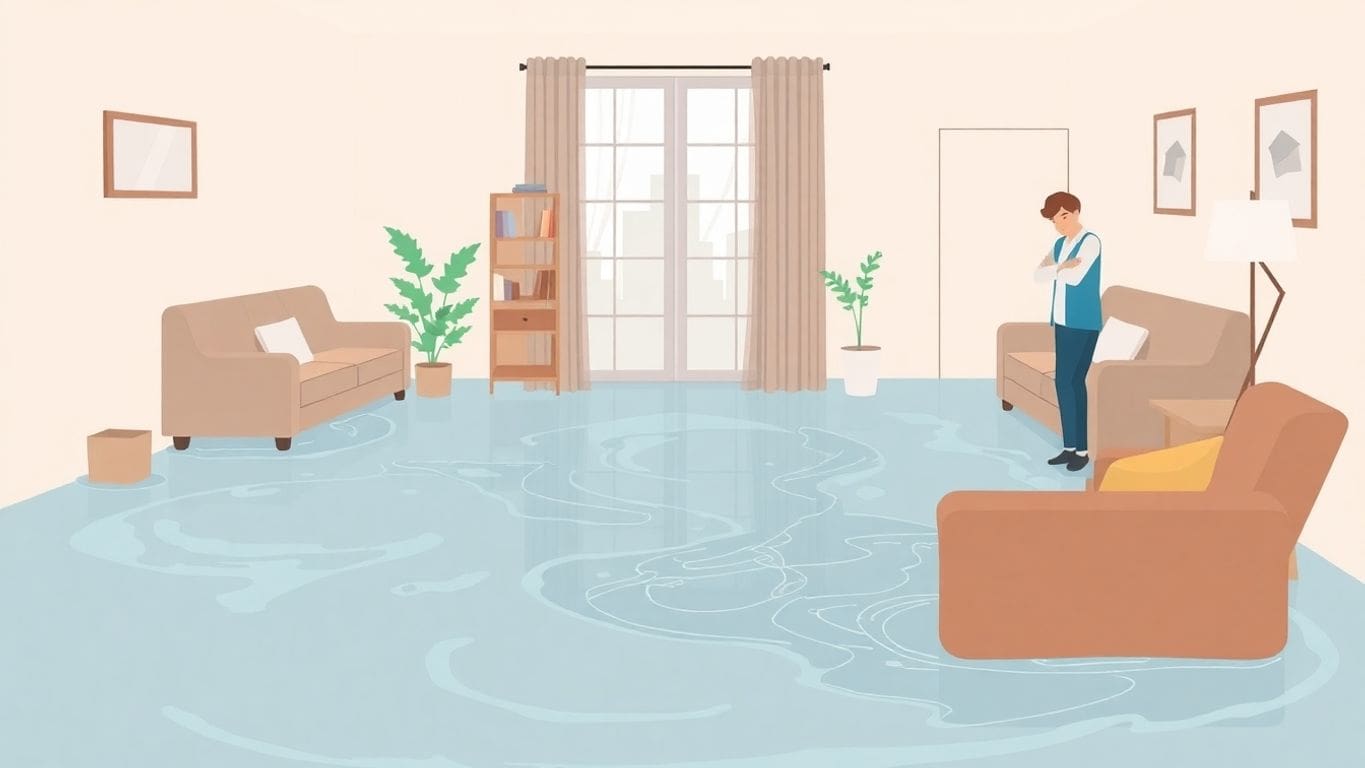
Illustration of water damage in a flooded home.

Time is super important when water messes up your house. Doing things fast can stop more damage from happening. Let’s talk about what you should do right away.

Safety First

Your safety is the most important thing. Before you do anything, make sure you and your family are safe. If there’s a lot of water, and it’s near anything electric, turn off the power. But only do this if you can do it without getting hurt. Water and electricity are a bad mix.

Initial Cleanup Steps

Start getting rid of the water as soon as you can. Open windows and use fans to help dry things out. The faster you dry things, the less chance you have of mold growing. Move furniture and stuff off wet floors. This helps the floors dry better and stops the furniture from getting more ruined. Here’s a simple list to get you started:

  • Remove standing water with mops, towels, or a wet vacuum.
  • Open windows and doors to increase airflow.
  • Use fans and dehumidifiers to speed up the drying process.

Contacting Professionals

Sometimes, water damage is too much to handle on your own. It’s a good idea to call people who know how to fix water damage restoration. They have special tools and know how to dry and clean everything the right way. Plus, they can check for mold and other problems you might not see. They can also help you figure out what to do with your insurance company.

Dealing with water damage can be stressful, but knowing what to do can make things easier. Remember to stay safe, start cleaning up quickly, and don’t be afraid to ask for help. Getting things back to normal might take time, but you’ll get there!

Insurance And Water Damage

Dealing with water damage is stressful. It’s good to know how your insurance can help. Let’s look at what you need to know about water damage insurance.

Understanding Coverage

Your homeowner’s insurance might cover some types of water damage. But, it usually depends on the source of the water. For example, a burst pipe is often covered. But, flood damage usually needs a separate flood insurance policy. Read your policy carefully. Know what’s covered and what’s not. It can save you from surprises later.

It’s important to understand the difference between sudden and gradual water damage. Insurance usually covers sudden damage, like a pipe bursting. Gradual damage, like a slow leak, might not be covered.

Filing Claims

Filing a claim can seem hard, but here are some steps to make it easier:

  • Document the damage: Take photos and videos of everything before you start cleaning up.
  • Report the damage quickly: Call your insurance company as soon as possible.
  • Keep records: Save all receipts for repairs and any money you spend because of the damage.

Preventing Future Issues

After dealing with water damage, you want to stop it from happening again. Here are some things you can do:

  • Check your pipes: Look for leaks and fix them right away.
  • Clean your gutters: Make sure water can flow away from your house.
  • Consider a water detection system: These systems can alert you to leaks before they cause big problems.

Taking these steps can help you avoid future water damage and keep your home safe.

Expert Insights On Water Damage Restoration

Water damage can be a real headache. It’s good to know what the pros do to fix it right. Here’s what experts say about getting your home back to normal after water damage.

Choosing A Restoration Company

Picking the right company is super important. You want someone who knows what they’re doing. Look for these things:

  • Check their certifications. IICRC is a good one. It means they follow certain rules.
  • Ask about their experience. How long have they been fixing water damage?
  • Read reviews. See what other people say about them.

Getting a few quotes is a smart move. It helps you compare prices and services. Don’t just go with the cheapest one. Think about who you trust the most.

Restoration Techniques

There are a few ways to fix water damage. Here are some common ones:

  • Water Removal: They use big vacuums to suck up all the water.
  • Drying: They use special fans and heaters to dry everything out. This stops mold from growing.
  • Cleaning: They clean and sanitize everything to get rid of germs and smells.

They might also need to tear out wet drywall or flooring. This helps make sure everything is dry and clean. The goal is to prevent future issues.

Post-Restoration Tips

After the pros are done, there are things you can do to keep your home safe:

  • Keep an eye out for mold. If you see or smell something weird, call them back.
  • Make sure everything is dry. Feel the walls and floors.
  • Fix the cause of the water damage. Was it a leaky pipe? Get it fixed so it doesn’t happen again.

Getting your home back to normal takes time and effort. But if you follow these tips, you can make sure it’s done right.

Frequently Asked Questions

What are the main types of water damage?

Water damage is usually split into three main types: clean water damage, grey water damage, and black water damage.

What causes clean water damage?

Clean water damage often comes from sources like broken pipes, leaky faucets, or rainwater leaks.

How dangerous is grey water?

Grey water contains some contaminants, like soap or food particles, and can cause health issues if not handled properly.

What is black water and why is it harmful?

Black water comes from sewage or floodwaters and can contain harmful bacteria and viruses, making it very dangerous.

How can I tell if I have water damage in my home?

Look for signs like water stains on walls or ceilings, musty smells, or peeling paint.

What should I do immediately after discovering water damage?

First, ensure your safety, then try to stop the source of water if possible, and begin drying the area.

How can I prevent water damage in my home?

Regular maintenance, like checking for leaks and cleaning gutters, can help prevent water damage.

When should I call a professional for water damage?

If the damage is extensive or you’re unsure how to handle it, it’s best to call a water damage restoration professional.

Garrett Sterling

Water Damage & Repair Writer
Garrett is a dedicated writer and industry expert specializing in water damage restoration and property recovery. With a passion for helping restoration businesses thrive, Garrett has spent years studying the intricacies of disaster recovery and the restoration industry.

    Table Of Contents

    More Posts

    Stay informed and prepared with our expert insights. Discover the latest trends, tips, and technologies in water and flood damage restoration to protect your property and peace of mind.

    Flood Your Business with Leads

    Business Owners: Join our insider newsletter for exclusive marketing strategies and growth opportunities for local services business.
    Restore Results Logo
    Restore Results is a water damage restoration referral company. We connect you with a professional in your area. All services are operated independently of Restore Results and it is the responsibility of each user to verify that the company they're connected with meets all licensing and insurance requirements in that jurisdiction.

    Photos on Restore Results are for illustrative purposes only and do not represent the services in your area. The content has not been fully fact-checked and may contain errors.

    Services will not be available in all areas, and when services are available, they may vary depending on the providers available.

    Contact info

    Copyright © 
    2026
     Restore Results. All Rights Reserved.