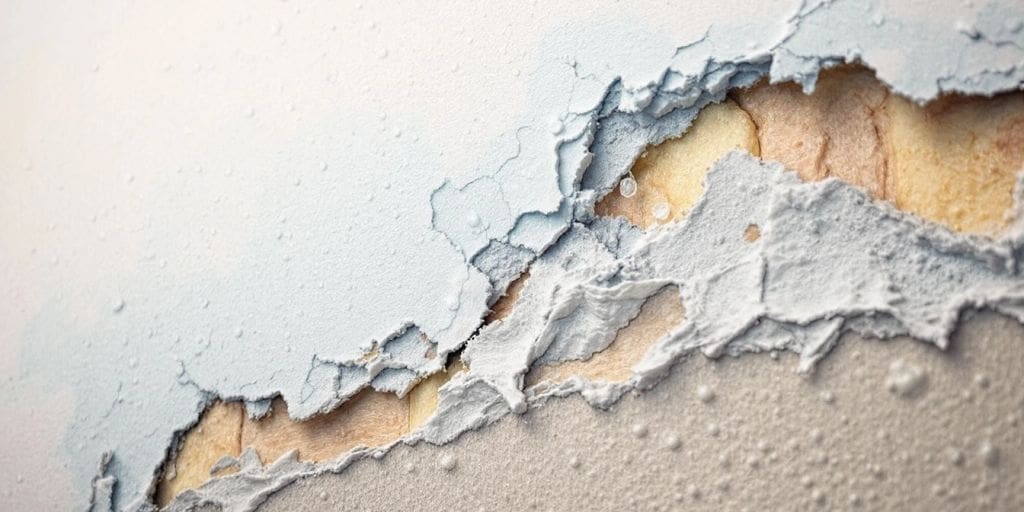
Understanding the Average Cost of Water Damage Repair Per Square Foot in 2024
Water damage can be a serious issue for homeowners, leading to costly repairs and potential health hazards. In 2024, understanding…



Water damage in ceilings can be a serious issue that requires immediate attention. Understanding who to call for ceiling water damage is crucial in minimizing further damage and ensuring proper restoration. This guide provides a comprehensive overview of the steps to take and the professionals to contact when faced with water damage in your ceiling.
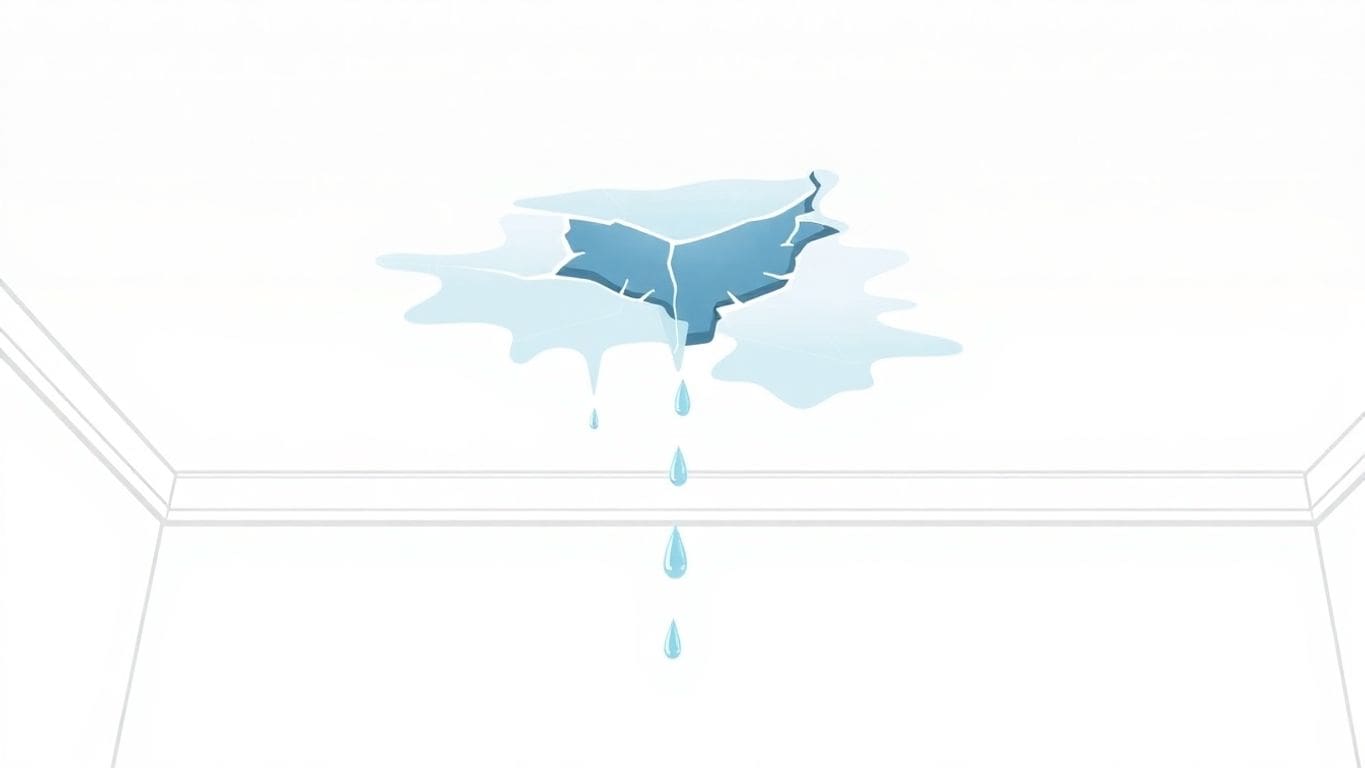
Ceiling water damage can happen for several reasons. You might have a leaky roof letting rain in, or maybe a pipe in the attic is busted. Sometimes, it’s as simple as clogged gutters causing water to back up and spill over. Storms can be a big culprit, with heavy rain and strong winds creating all sorts of problems. Another sneaky cause is poor ventilation in the attic, leading to condensation that drips onto your ceiling.
Spotting water damage early can save you a lot of trouble. Look out for these signs:
If you see any of these, it’s time to take action.
Ignoring water damage isn’t a good idea. It can lead to serious problems like mold, which is bad for your health. Water damage can also make your ceiling weak and even cause it to collapse if it gets too bad. Plus, if you wait too long, the cost to fix everything can skyrocket.
Taking care of ceiling water damage quickly is super important. It can prevent bigger headaches down the line and keep your home safe and sound.
First things first, turn off the electricity. Water and electricity are a bad mix and can be dangerous. Head to your main circuit breaker and switch off power to the affected areas. Be careful not to touch any electrical switches or appliances with wet hands.
Next, grab your phone or camera and start documenting the damage. Take photos and videos of everything. Capture the water stains, the soggy ceiling, and any damaged belongings. This will help when you talk to your insurance company.
You gotta stop the water from causing more harm. Here’s what you can do:
Quick action can save you a lot of trouble and money. The sooner you tackle water damage, the less likely you’ll face mold or bigger repairs later.
If you notice water damage in your ceiling, the first step is to figure out where the water is coming from. If the ceiling is not right under the roof, a plumber should be your first call. They can check if there are any leaks in the pipes that might be causing the damage. Plumbers are great at fixing these issues, but they don’t repair the ceiling itself.
If your ceiling is directly under the roof, you might have a roof leak. In this case, call a roofer. They will check if the roof has any leaks or damage. Roofers can fix the roof so water doesn’t keep coming in.
After you’ve called a plumber or a roofer, it’s time to call a water damage restoration company. These folks specialize in fixing the damage caused by water. They have special tools to dry out your ceiling and make sure there’s no mold. A restoration company will make your ceiling look good as new again.
Remember, acting fast is important. Water damage can get worse if you wait too long. Calling the right people can save you a lot of trouble and money down the road.
Taking these steps can help you deal with ceiling water damage effectively. If you’re unsure, it’s always better to reach out to a professional for advice. They know what to do and can guide you through the process.
If you want to know more about the types of water damage and how they can affect your home, check out this guide.
First things first. You gotta know what’s in your insurance policy. Most policies cover sudden water damage, like a burst pipe, but not stuff that’s been ignored for a while. Check out these key parts of your policy:
Filing a claim can feel like a lot, but it’s really just a few steps. Here’s what you do:
Filing a claim quickly can make the whole process smoother and help you get back to normal faster.
Not all restoration companies know how to deal with insurance claims, so pick wisely. Look for companies that:
This way, you won’t get stuck with surprise bills or delays. It’s always a good idea to ask questions and make sure you’re on the same page.
When you hire a water damage restoration service, they do a lot more than just clean up the mess. They bring your home back to how it was before the damage. This means getting rid of all the water, drying everything out, and fixing any damage. They also make sure there’s no mold growing, which can be a big problem after water damage. These pros use special tools and know-how to get the job done right.
Before you hire a restoration company, you should ask them a few questions:
These questions help you figure out if they’re the right folks for the job.
Mold can be sneaky and pop up after water damage. A good restoration service will check for mold and stop it from growing. They use special techniques to make sure your home stays mold-free. If you’re worried about mold, make sure to talk to the company about their mold prevention methods.
When water damage hits, it’s easy to feel overwhelmed. But remember, you’re not alone. A professional restoration company can help you navigate this tough time and get things back to normal. You’ll be glad you called in the experts.
First things first, you gotta see how bad it is. Look at the ceiling and check for damp spots, stains, or even sagging areas. If it’s a small patch, you might handle it yourself. But if the damage is big or the ceiling is drooping, it’s probably time to call in the pros. Professional help is often safer and more effective for large-scale damage.
Thinking of fixing it yourself? Here’s what you might need:
Make sure you have everything before starting. It’s no fun running to the store halfway through a job.
Doing it yourself can save money but watch out for these risks:
Sometimes, what seems like a simple DIY project can become overwhelming. Weigh the pros and cons before diving in.
First thing’s first, you gotta check out the damage. A restoration company will come in and see how bad things are. They’ll look at everything, from the ceiling to the floors. Once they know what’s up, they start getting rid of the water. They use big machines to suck up the water, almost like a super vacuum. Getting the water out fast is super important to stop more damage from happening.
After the water’s gone, it’s time to dry things out. This part is kinda like using a hairdryer, but for your house. They bring in fans and dehumidifiers to get rid of any leftover moisture. It might take a few days, but it’s gotta be done right. This helps keep mold from growing, which is a big deal.
Once everything is dry, it’s time to fix what got messed up. If your ceiling got hit hard, they might need to replace parts of it. This could mean putting in new drywall or even painting. The goal is to make your ceiling look as good as new, just like it was before the water damage. Sometimes, this part can take a while, especially if there’s a lot to fix. But hey, it’s worth it to have your home back to normal.
Remember, restoring your home after water damage is a process. It takes time, but with the right help, you’ll be back to living comfortably in no time.

You gotta keep an eye on your roof and pipes. Checking them regularly helps catch small problems before they turn into big ones. Make it a habit to look for missing shingles or leaks in the pipes.
Good airflow in your house is super important. It keeps moisture from building up, especially in places like the attic. Open windows or use fans to keep the air moving, especially when cooking or showering.
Gutters and downspouts need some love too. Clean them out so water can flow away from your house. If they’re clogged, water might spill over and damage your ceiling.
Keeping up with these simple tasks can save you a lot of trouble and money down the road. It’s like taking care of a car – regular maintenance keeps everything running smoothly.
So, you’re renting a place and suddenly there’s water dripping from the ceiling. First thing’s first, tell your landlord right away. It’s super important to report any leaks or water issues as soon as you spot them. Keep an eye out for any signs of water damage, like stains or weird smells.
Here’s what you should do:
If you’re a landlord, it’s your job to make sure the property is safe and sound. This means fixing any water damage quickly. Not only is it the right thing to do, but it also helps prevent bigger problems down the line.
Landlords should:
Keeping up with repairs not only saves money but also keeps tenants happy and safe.
In multi-unit buildings, water damage can get tricky. Water from one unit can easily affect others. Both tenants and landlords need to act fast to stop the damage from spreading.
Steps to manage water damage:
In these cases, teamwork between tenants and landlords is key to solving the problem efficiently. Make sure everyone knows their role in keeping the building in good shape.
When dealing with water damage, the first thing you gotta do is think about electricity. Water and electricity together are really dangerous. Turn off the power to the area where the water is. If the leak is close to lights or outlets, be extra careful. Use the main circuit breaker to cut off electricity, and never touch switches or appliances with wet hands or when standing in water.
Water can mess up a lot of stuff in your home. Be careful when moving things around. Some materials might be heavy or slippery. If the ceiling is sagging, don’t stand under it. Use a bucket to catch drips, and if the ceiling is bulging, you might need to poke a hole to let water out. Do this only if it’s safe.
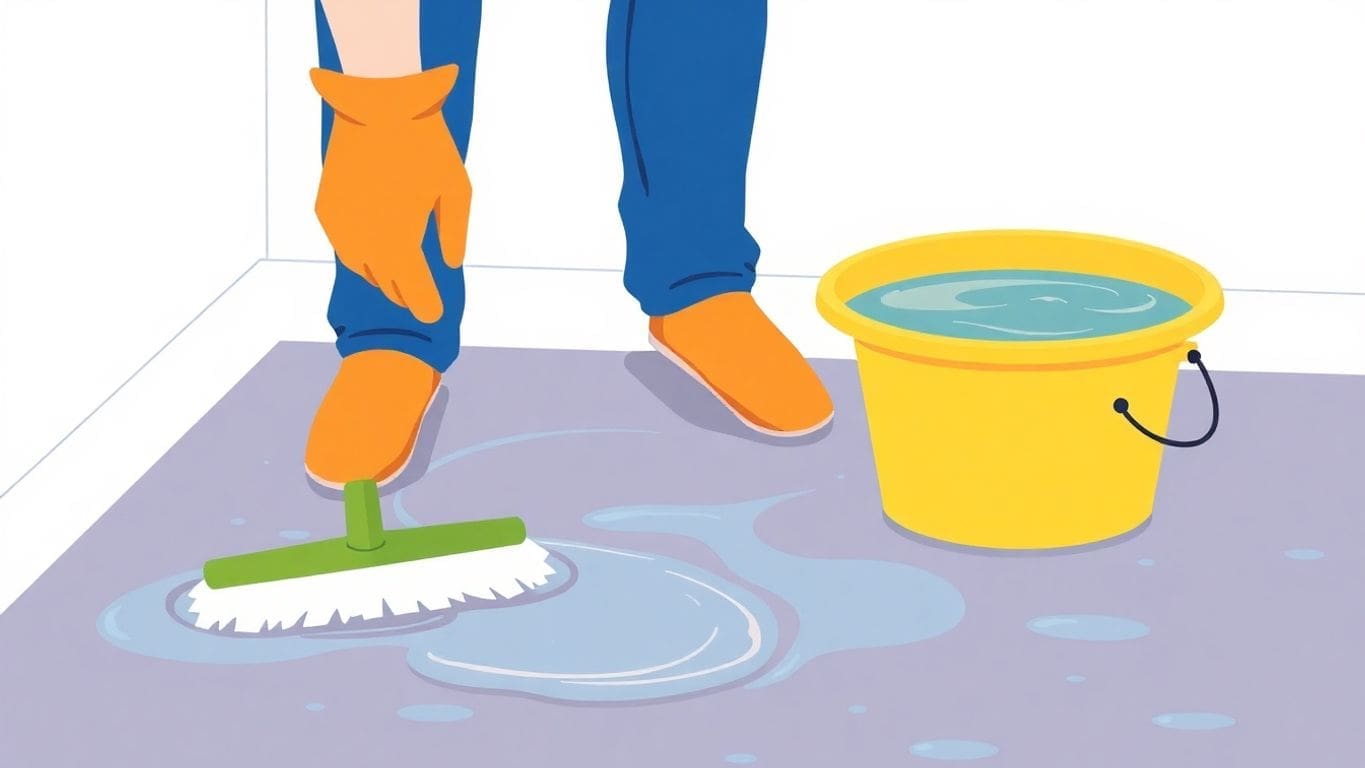
When you’re cleaning up water damage, wear the right gear. This means gloves, boots, and maybe a mask. You don’t want to touch any dirty water or mold with your bare hands.
Safety first, always. It’s better to be a little slow and safe than to rush and get hurt.
Remember, if you’re not sure about something, call a pro. They have the right tools and know-how to handle water damage safely. In the event of water damage, acting quickly and safely can help prevent further issues.
The first step is to turn off the electricity in the affected area to avoid hazards. Then, take pictures of the damage for your insurance.
If the leak is not from your roof, call a plumber. If the leak is from the roof, contact a roofer. After that, reach out to a water damage restoration company.
Usually, fixing water damage is best left to professionals. They have the right tools and knowledge to do it safely and effectively.
Check your policy for coverage details. Some types of water damage might not be covered, so it’s important to read your insurance agreement.
The process includes assessing the damage, removing water, drying the area, cleaning, and repairing any damaged materials.
Regularly inspect your roof and plumbing, maintain your gutters, and ensure proper ventilation in your home.
Look for water stains, bulging areas, or mold growth on your ceiling. These can indicate a leak.
Yes, both tenants and landlords have responsibilities. Tenants should report leaks quickly, while landlords must address repairs.

Business Owners: Join our insider newsletter for exclusive marketing strategies and growth opportunities for local services business.