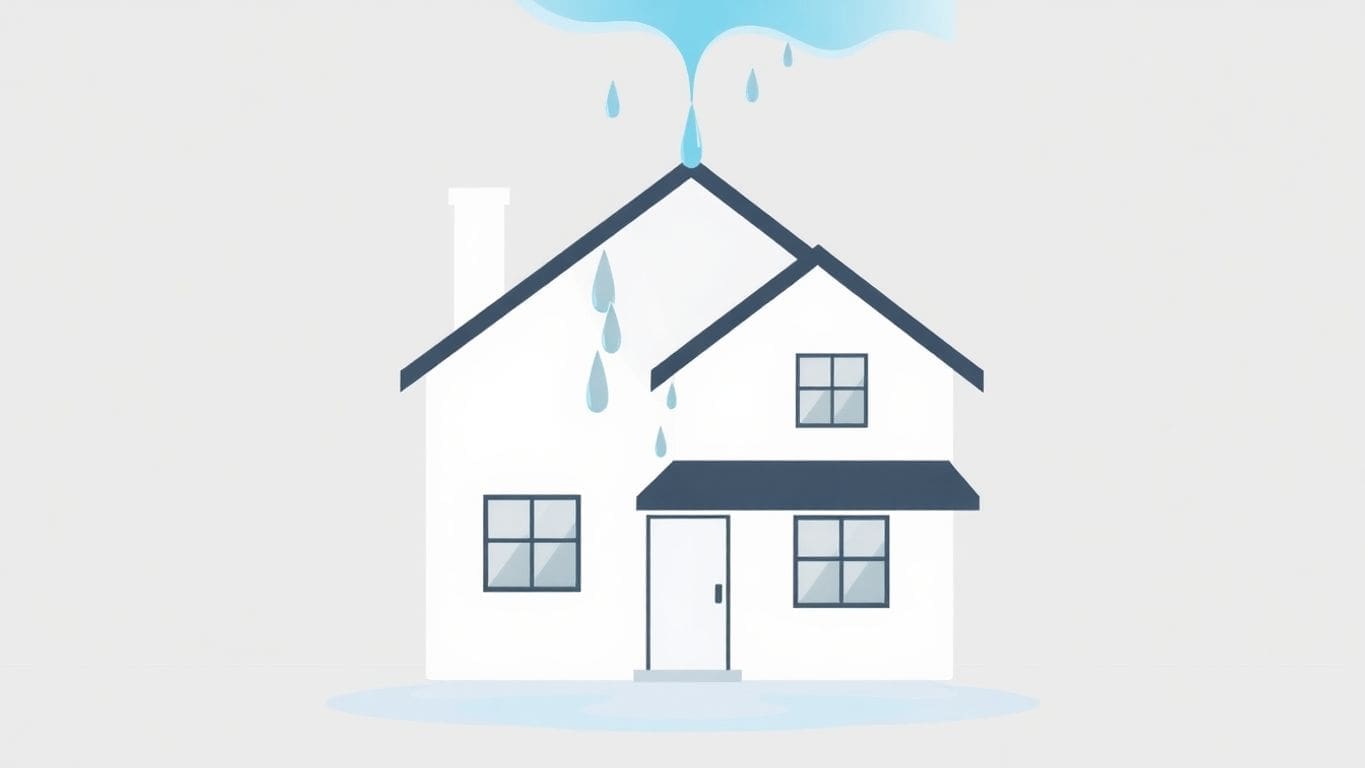
Can You Deduct Home Water Damage on Taxes? Understanding Your Tax Benefits
If you’ve ever dealt with water damage in your home, you might be wondering about the financial implications. Specifically, can…



Water damage can hit hard and fast, whether from a storm, a leaky pipe, or an overflowing appliance. When it happens, being prepared can make a world of difference. In this guide, we’ll go over the essential items to have on hand for water damage emergencies, along with steps to take, safety tips, and how to prevent future issues. Having the right supplies and knowledge can help you tackle the situation more effectively and minimize the damage.
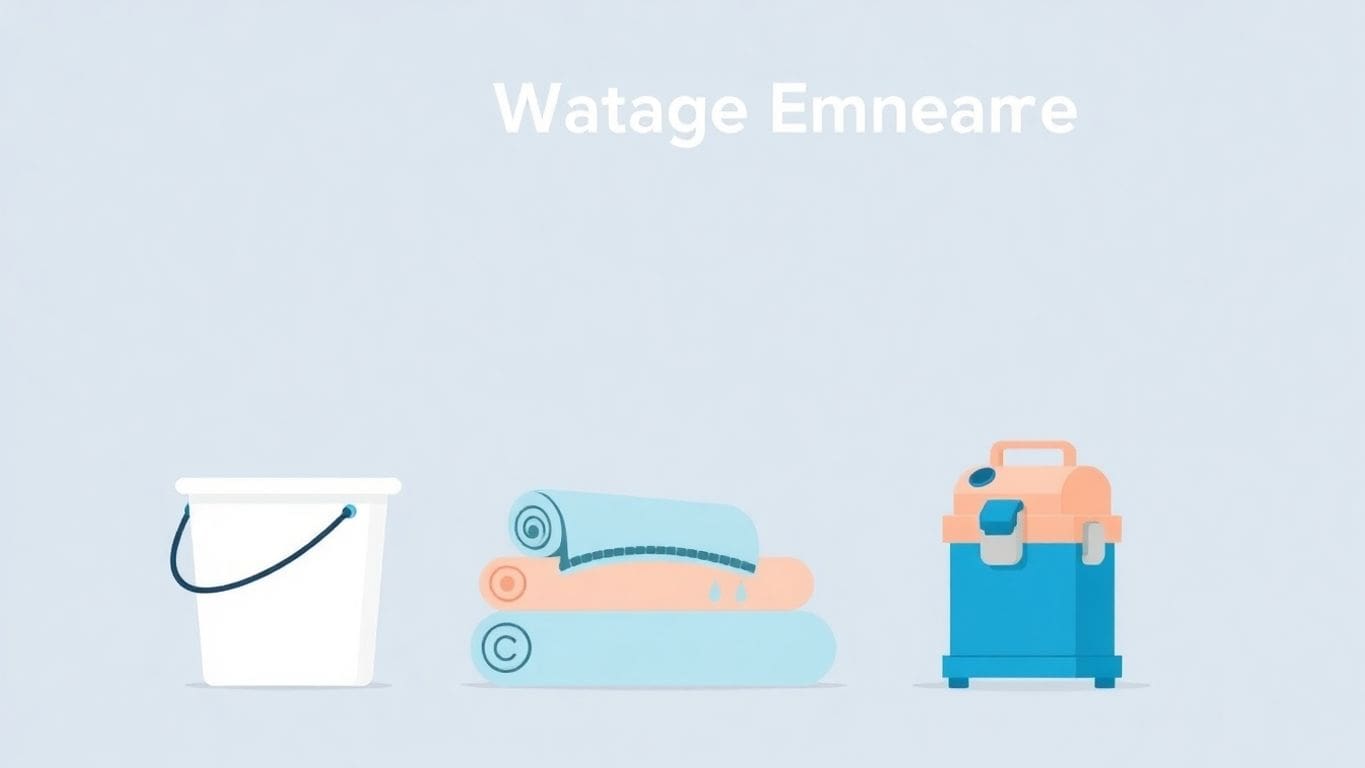
It’s important to have the right tools ready if water damage happens. Having these items can help reduce damage quickly. Think about the weather where you live when you get your supplies. For example, if you live where there are big storms, you might need extra things.
Make sure you have tools to remove water fast. This can stop more damage from happening. You might need:
Water damage can cause power outages. It’s a good idea to have lights that don’t need electricity. Consider:
Protect your stuff from getting wet. Use things that stop water from spreading. You should have:
Having these supplies ready can make a big difference. You can act fast and protect your home or business from more damage. Remember to check your supplies often and replace anything that’s old or broken. If the damage is too big to handle, call emergency restoration experts right away.
When dealing with water damage, your safety is super important. Water and electricity don’t mix, and damaged structures can be dangerous. Here’s what you need to do to stay safe.
Before you do anything else, turn off the electricity and gas. This is the most important step to prevent shocks or explosions. Find your circuit breaker box and turn off the breakers that control the affected areas. For gas, locate the main shut-off valve, usually near your gas meter. If you aren’t sure how to do this, call your utility company for help. It’s better to be safe than sorry. If there’s standing water, don’t even go near the electrical panel. Call an electrician instead.
Water damage can expose you to all sorts of nasty stuff, like bacteria and mold. Protect yourself by wearing the right gear:
Always wash your hands thoroughly after being in contact with water-damaged areas, even if you wore gloves. This will help prevent the spread of germs and keep you healthy.
Water can weaken the structure of your home. Before you start cleaning up, check for any signs of damage:
If you see any of these signs, don’t go into those areas. Call a professional to assess structural integrity and make sure it’s safe before you proceed. It’s not worth risking your safety for your stuff.
After water damage, dealing with insurance can feel overwhelming. But good records can make things easier. Here’s how to document the damage for your insurance company.
Take lots of pictures and videos of everything. Don’t just snap a few quick shots. Get different angles and close-ups. Focus on walls, floors, furniture, and anything else that got wet. The more visual evidence you have, the better. This helps the insurance company see how bad the damage is. Make sure to do this before you start any emergency water clean up.
Make a list of all the damaged items. Write down what each item is, when you bought it, and how much it cost. If you have receipts, even better! The more details you give, the easier it will be for the insurance company to figure out how much money you should get. This list is super important for your claim. Here’s an example of how you could format your inventory:
| Item | Purchase Date | Original Price | Condition |
|---|---|---|---|
| Sofa | 2020-03-15 | $800 | Water damaged |
| Rug | 2021-07-01 | $300 | Soaked, stained |
| Bookshelf | 2019-11-20 | $150 | Warped, unstable |
Call your insurance company as soon as possible. Tell them what happened and give them all the details. Ask them what you need to do to file a claim. They might want to send someone to look at the damage, or they might ask you to get estimates from contractors. Make sure you understand what your insurance policy covers.
Remember, being organized and thorough with your documentation can really speed up the insurance process. It helps make sure you get the money you need to fix the damage and get your life back to normal.
When water damage happens, acting fast is super important. The quicker you act, the less damage you’ll have to deal with. Here’s what you should do right away.
First, make sure it’s safe to even go into the area. Water and electricity are a bad mix, so check for any electrical hazards. If you see any downed wires or suspect electrical problems, call an electrician right away. Don’t risk getting hurt. Also, watch out for slippery floors or unstable structures. Your safety is the top priority.
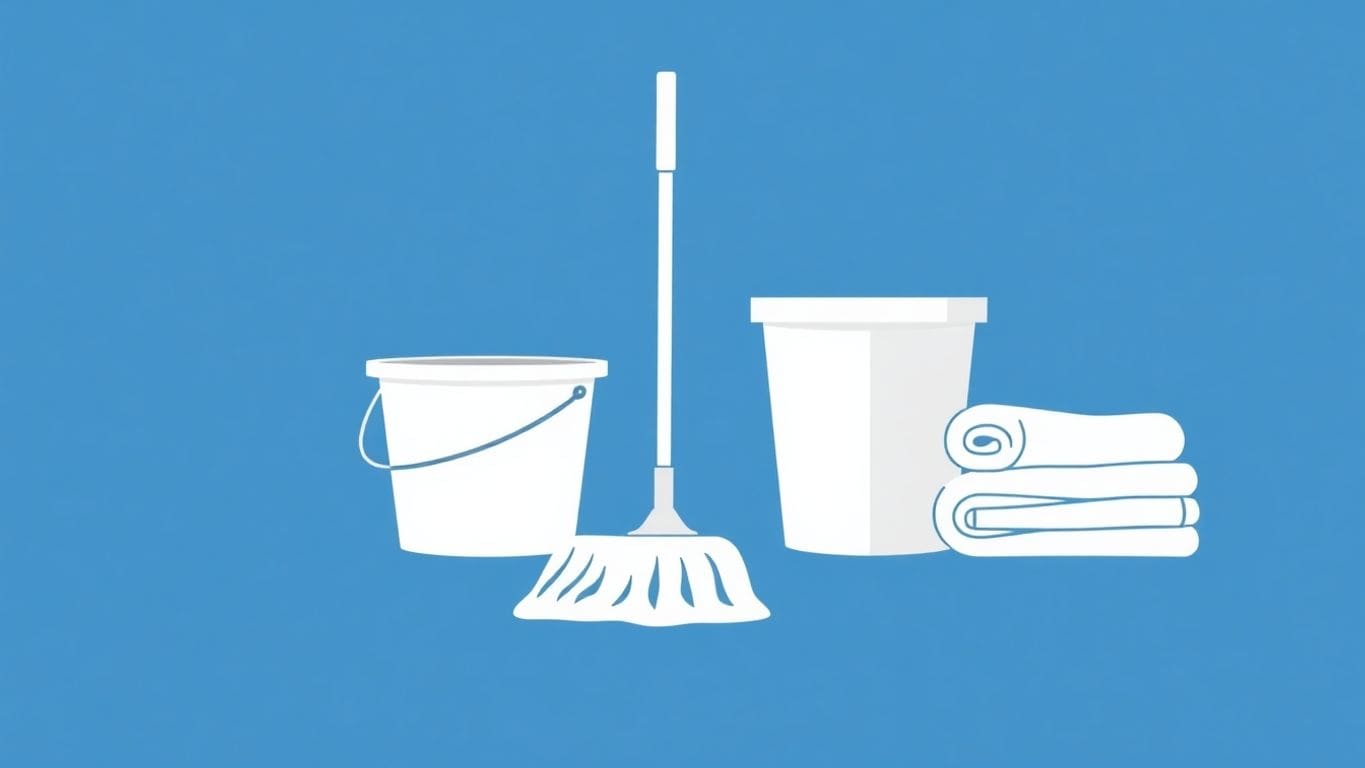
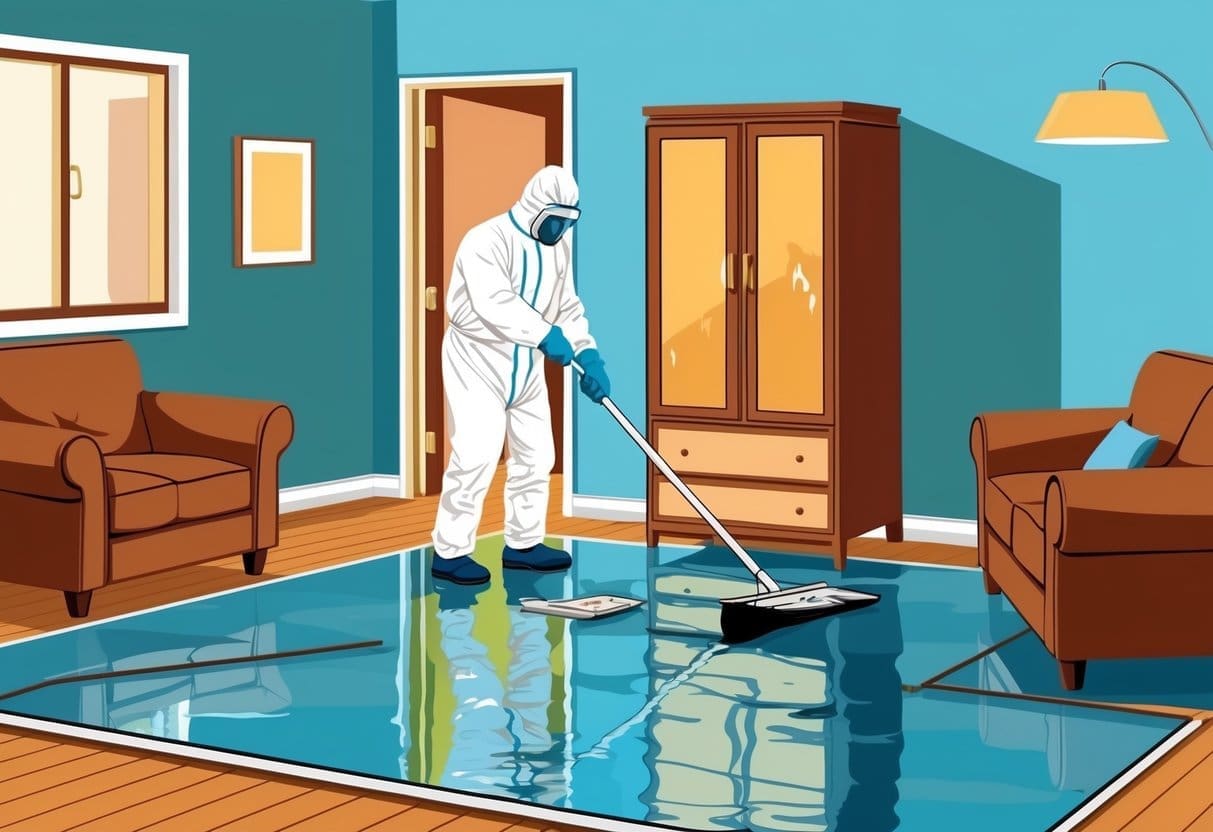
Next, get rid of the water. The longer water sits, the more damage it causes. You can use things like mops, towels, and wet-dry vacuums to soak up the water. For bigger floods, you might need a pump. The type of water matters too. If it’s clean water, like from a burst pipe, you can handle it yourself. But if it’s contaminated water, like from a sewer backup, call a professional. Contaminated water can make you really sick.
Move your stuff to a dry place. Get furniture, electronics, and important papers out of the wet area as soon as possible. Water can ruin these things fast. If you can’t move something, try to lift it off the floor. Use blocks of wood or plastic to keep it out of the water. This can save you a lot of money and heartache later on.
After you’ve taken these immediate steps, it’s a good idea to call your insurance company. They can guide you through the claims process and help you get the resources you need to fix the damage. Also, start documenting everything with photos and videos. This will be helpful when you file your claim.
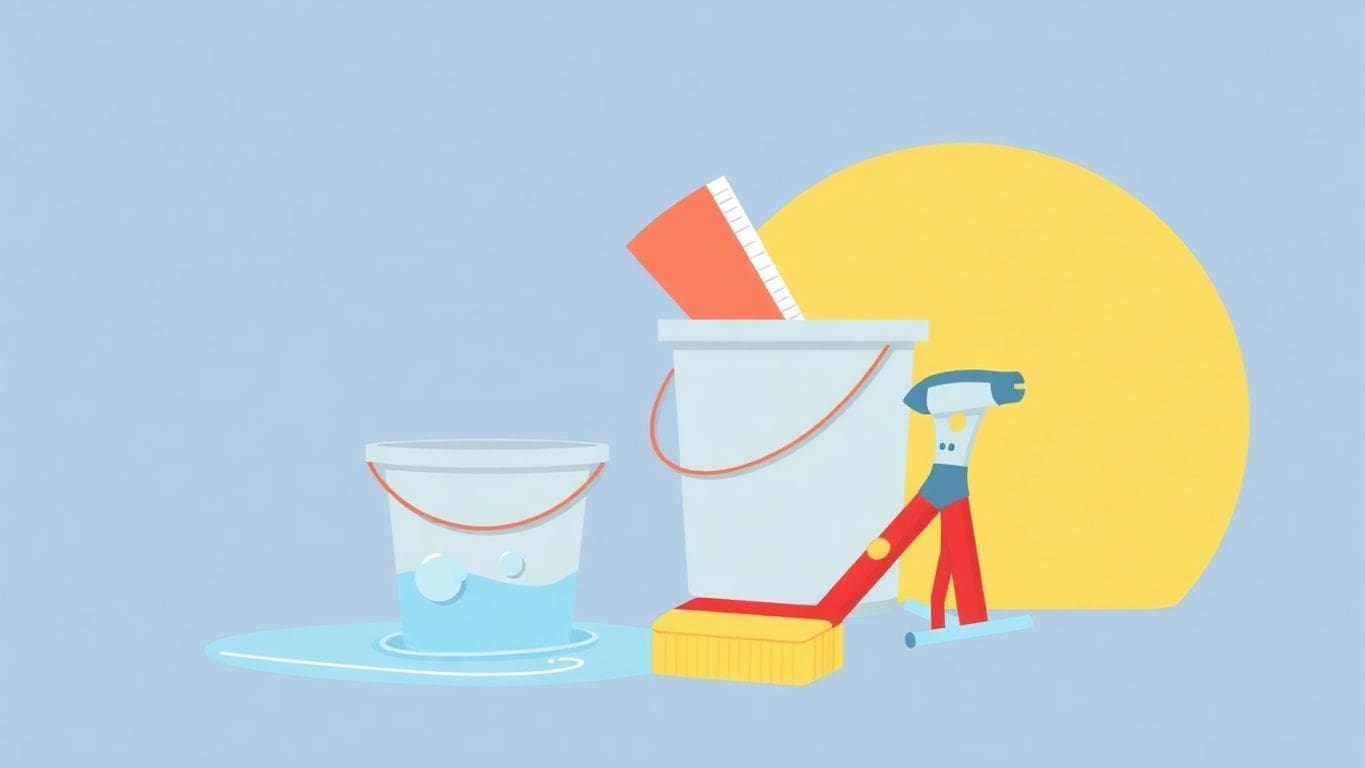
It’s smart to think about how to stop water damage before it happens. You can do a lot to keep your home safe and dry. Here’s how to prevent water problems in the long run.
Make it a habit to check your home for leaks and other water issues. Look at your pipes, faucets, and appliances regularly. This can help you catch small problems before they turn into big, expensive ones. Here are some things to check:
Gutters and downspouts move water away from your house. If they’re clogged, water can back up and cause damage. Keep them clean! Here’s what to do:
If you have a basement, think about waterproofing it. This can stop water from getting in. Here are some options:
Preventing water damage is a lot easier than fixing it. By taking these steps, you can protect your home and save money in the long run. It’s all about being proactive and staying on top of things.
It’s smart to set up your building to help stop water damage before it starts. These steps can save you money and stress later.
A sump pump gets rid of water that builds up around your foundation. It’s super important if you live where it rains a lot or if your basement floods easily. Make sure to get one with a battery backup. If the power goes out during a storm, the pump will still work. This can stop major flooding. You can test sump pumps regularly to make sure they are working.
Dehumidifiers pull moisture out of the air. This helps stop mold and mildew from growing. Commercial-grade ones are stronger and can handle bigger spaces. They’re great for basements or any area that feels damp. Run them regularly, especially after a leak or flood.
These tools help you find water before it causes big problems. They can sense moisture behind walls or under floors. This can help you catch leaks early and fix them fast. Some things to consider:
Putting these measures in place can really help protect your building from water damage. It’s like having a security system for water. It gives you peace of mind and can save you from costly repairs.
Water damage can really mess up your business. It’s important to have a plan to keep things running, even when things get tough. This is called a business continuity plan. It helps you keep doing important stuff while you fix the damage.
Your business data is super important. You need to make sure it’s safe and you can still get to it. Here are some ways to protect your data:
Think about how your business can still work while you’re fixing the water damage.
It’s a good idea to talk to other businesses in your area. You might be able to help each other out if something bad happens. Some businesses make deals to share office space if one of them has a problem.
It’s important to tell everyone what’s going on. This includes your employees, customers, and suppliers. Make sure you have a plan to get flood insurance and keep everyone informed. Here’s what to do:
It’s super important for families to be ready for anything, including water damage. Having a plan and some supplies can make a big difference. Let’s get your family prepped!
First, sit down with your family and talk about what to do if water damage happens. Make sure everyone knows the plan. This includes:
Having a written plan that everyone understands can reduce panic and help you act quickly and safely. It’s also a good idea to practice your plan every few months.
Does everyone in your family know where the water shut-off valve is? If not, show them! This is super important because you can stop more water from coming in if you turn off the water quickly. Also, show them the gas shut-off valve too. Make sure everyone knows how to turn them off safely.
Keep some supplies on hand in case of water damage. Here’s a list of things you might need:
Having these essential supplies ready can make a tough situation a little easier.
Sometimes, water damage is just too big to handle on your own. It’s okay to ask for help! Knowing when to call in the pros can save you time, money, and a lot of stress. Plus, they have the right tools and expertise to get the job done right.
So, how do you know when it’s time to call in the experts? Here are a few signs:
Before you call a professional, it’s helpful to understand the extent of the damage. This will help you explain the situation to the restoration company and get an accurate estimate. Consider these questions:
Understanding the scope of the damage helps professionals assess the situation accurately and provide the best solution. It also helps you understand what to expect during the restoration process.
Choosing the right restoration service is important. You want to find a company that is experienced, reliable, and trustworthy. Here are a few tips:
Calling in the professionals can make a big difference in getting your home back to normal after water damage. They can handle the cleanup, repairs, and even help with your insurance claim. It’s an investment in your home and your peace of mind.
After dealing with water damage, your health and safety are super important. It’s not just about fixing the house; it’s about making sure everyone stays healthy during and after the cleanup.
Mold loves damp places, and water damage creates the perfect home for it. You need to act fast to stop mold from growing. Here’s what you can do:
Mold can cause health problems, especially for people with allergies or asthma. If you see or smell mold, take action right away.
Water damage can mess with the air quality in your home. Here’s how to keep the air safe to breathe:
Cleaning up after water damage can be risky. Protect yourself by:
Water damage can be tough to handle alone. Luckily, there are many places you can turn to for help and advice. Knowing where to find support can make a big difference in getting your life back to normal.
Your town or city likely has companies that specialize in fixing water damage. These local experts can help with everything from drying out your home to fixing damaged walls and floors. They have the tools and know-how to handle big and small problems. Don’t hesitate to reach out for an assessment and a plan to get things fixed. cleanup efforts are essential.
Keep a list of important phone numbers handy. This should include your insurance company, local fire department, a trusted plumber, and a water damage restoration service. Having these numbers in one place saves time and stress when you need them most. You might also want to include numbers for local shelters or community centers that can provide temporary help.
Many communities have programs that help people get ready for emergencies, including water damage. These programs can teach you how to protect your home, what to do during a flood, and how to recover afterward. They might also offer resources like sandbags or information about flood insurance. Participating in these programs can make you and your neighbors more resilient.
First, ensure your safety by turning off electricity and gas. Then, stop the water source if possible and assess the damage.
Take clear photos and videos of the damage from different angles. Make a list of damaged items and their values.
Wear rubber boots, gloves, and a mask to protect yourself from contaminated water and harmful particles.
Call a professional if there is large-scale flooding, contaminated water, or if you notice structural damage.
Dry the area quickly, use dehumidifiers, and ensure proper ventilation to prevent mold growth.
Regularly check your roof, maintain gutters, and consider waterproofing your basement.
Include water extraction tools, emergency lighting, moisture barriers, and waterproof documentation supplies.
Develop a plan that includes knowing where shut-off valves are located and having essential supplies ready.

Business Owners: Join our insider newsletter for exclusive marketing strategies and growth opportunities for local services business.