Does Water Damage Cause Ants? Understanding the Connection and Prevention Tips
Ever wonder if water damage is the reason ants are suddenly making themselves at home in your living room? It’s…



Water damage can sneak up on you, turning small issues into big headaches if left unchecked. Whether it’s a slow leak under the sink or a sudden flood in the basement, recognizing the signs early can save you time, money, and stress. This guide goes over the key indicators of water damage in your home and what steps to take when you spot them. Let’s get into it.
Water stains are one of the easiest signs to notice. They often appear as brown, yellow, or gray patches on your walls or ceilings. These stains might look like rings or streaks and can grow over time if the problem isn’t fixed. Paying attention to these early signs can save you from bigger issues later.
Have you noticed your floors looking uneven or feeling bumpy when you walk? Warped or buckled floors happen when water seeps in and causes the material to swell or shift. This is common with wood floors but can also happen with laminate or vinyl. Check areas near sinks, tubs, or leaks for this problem.
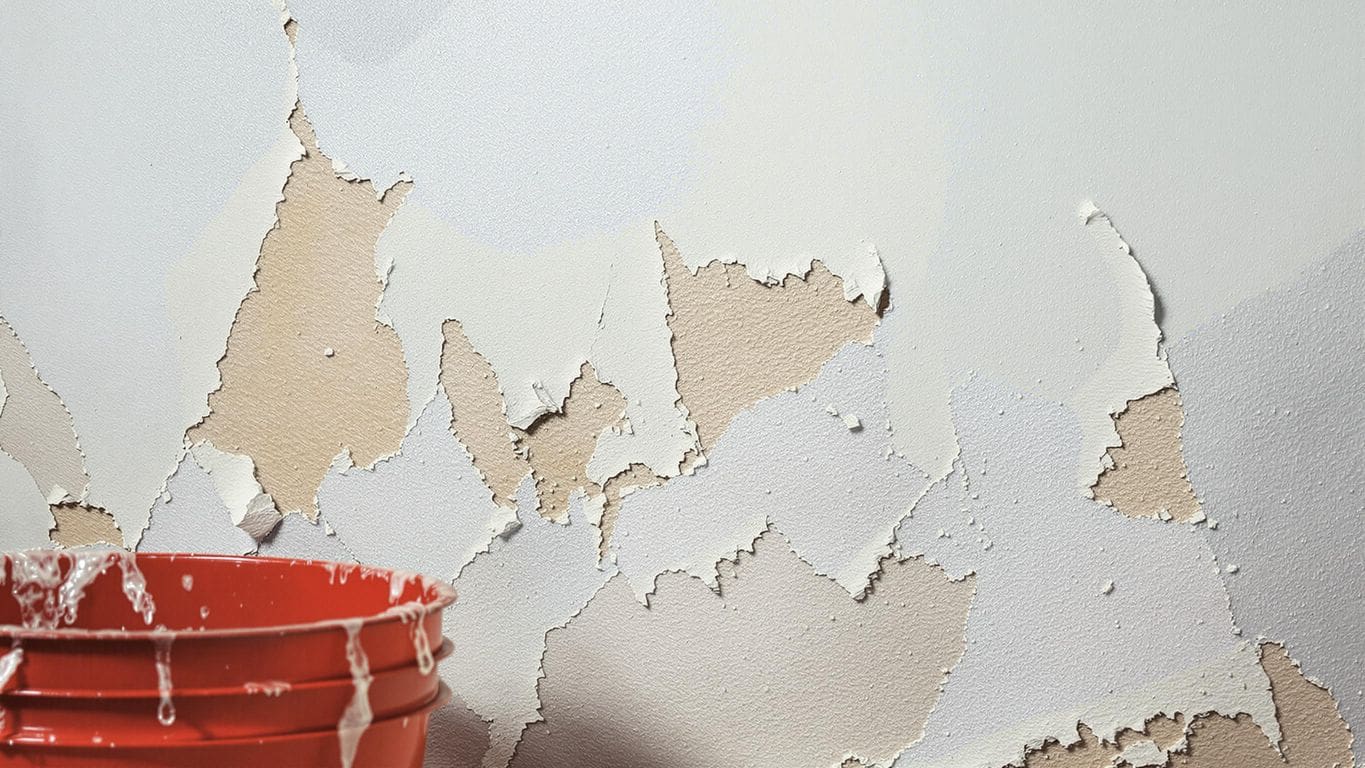
Peeling paint or wallpaper is another clue that water might be sneaking into your walls. Moisture weakens the adhesive that keeps paint or wallpaper in place, causing it to bubble, crack, or peel. If you see this happening, it’s a good idea to investigate further for hidden water damage.
Ignoring these visual signs can lead to serious problems, like mold growth or structural damage. Always act quickly if you spot something unusual.
Plumbing issues are one of the most common causes of water damage. A small leak under your sink might not seem like a big deal, but over time, it can lead to major problems. Burst pipes, often caused by freezing temperatures or old, worn-out plumbing, can release large amounts of water quickly. Keep an eye on your pipes, especially in colder months, and insulate them to prevent freezing.
Your roof is your home’s first line of defense against rain and snow. But if it’s damaged or has missing shingles, water can seep through and cause damage to your ceilings and walls. Poor drainage, like clogged gutters, can make things worse by directing water where it shouldn’t go. Regularly clean your gutters and check your roof for signs of wear.
Floods, hurricanes, and heavy storms can bring water into your home in ways you can’t always control. These events can overwhelm your property’s drainage systems or even break through windows and doors. If you live in a flood-prone area, consider installing barriers or elevating your home’s foundation to reduce the risk.
Ignoring the causes of water damage can lead to bigger problems like mold, structural issues, and costly repairs. Prevention and quick action are key.
Have you ever walked into a room and thought, "What’s that damp, earthy smell?" A musty odor is often a clear indicator of hidden water damage. These smells are caused by tiny compounds released by mold or mildew. If you notice this scent, especially in areas like basements or closets, it’s time to investigate further.
Mold doesn’t just grow in plain sight. You might spot it in corners, behind furniture, or even along baseboards. Look for dark spots or fuzzy patches in unusual areas. Mold thrives in damp conditions, so its presence often signals water issues nearby. Don’t ignore it—even small patches can mean a bigger problem.
A sudden spike in your water bill might be more than just increased usage. It could mean you have a hidden leak somewhere. Compare your current bill to previous months. If the numbers don’t add up, inspect your plumbing or call a professional to check for leaks.
Hidden water damage can be tricky to spot, but acting quickly can save you from bigger headaches down the road. Trust your senses—what you smell, see, and even notice in your bills can guide you to the problem.
Not all water damage is the same. Minor damage might just involve a small leak or a wet spot that dries up quickly. Severe damage, on the other hand, can affect the structure of your home. For example, sagging ceilings or buckling floors are signs of serious issues. Severe damage often requires immediate attention to prevent further complications.
Water can weaken your home’s structure over time. Look for cracks in walls, uneven floors, or doors that don’t close properly. These could mean water has damaged the foundation or other key parts of your home. If you notice these signs, it’s time to act fast.
Unchecked water damage can lead to mold and mildew growth. Mold isn’t just unsightly—it can also cause health problems like allergies or breathing issues. If you see black or green patches on walls or smell a musty odor, mold might already be spreading. Addressing this quickly can protect your family’s health.
Ignoring severe water damage can lead to costly repairs and even make your home unsafe. Always take signs of damage seriously.
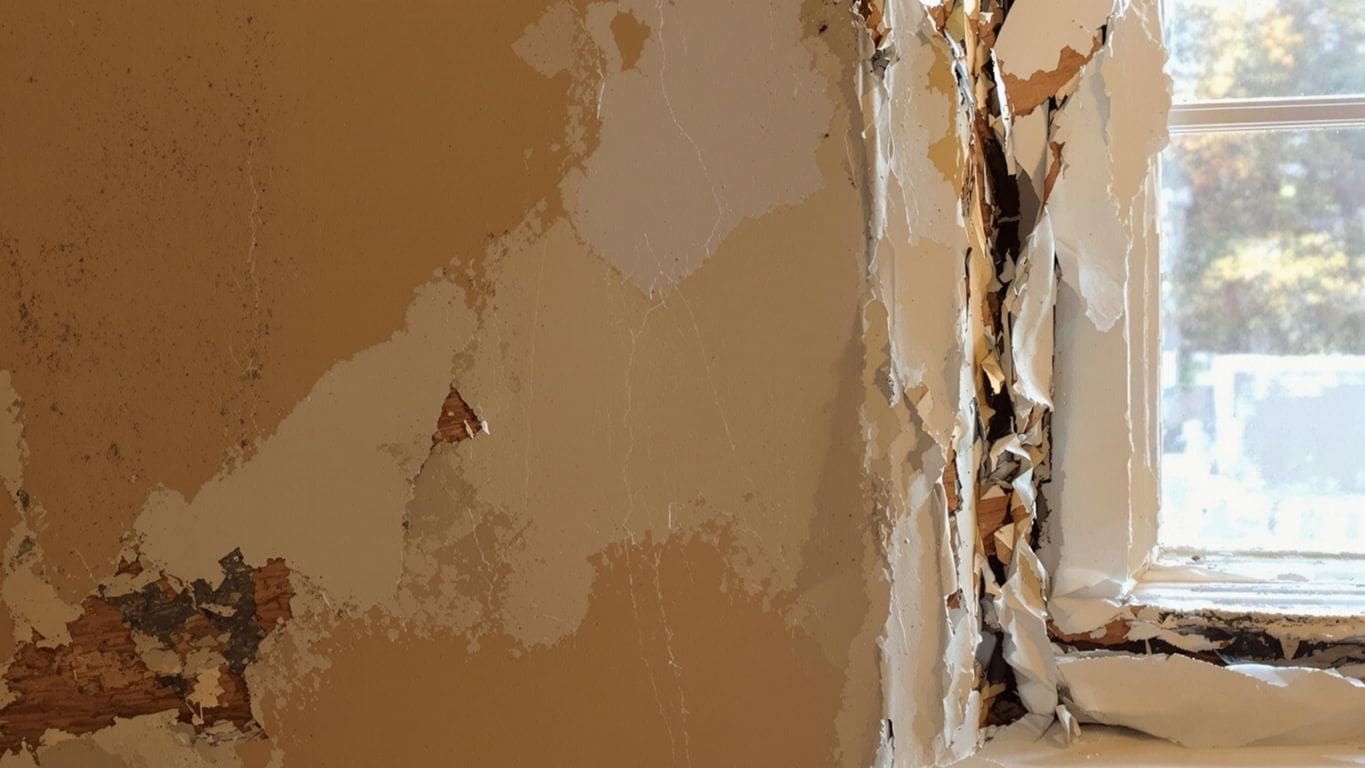
Basements and crawl spaces are notorious for water issues. These areas are often dark and damp, making them perfect spots for water to collect unnoticed. Look for signs like puddles, wet walls, or a musty smell. Even small leaks can lead to big problems over time. Check for cracks in the foundation or walls, as these can let water seep in. If you see mold or mildew, it’s a clear sign of moisture trouble.
Bathrooms and kitchens are full of pipes, which makes them high-risk for leaks. Inspect under sinks, around toilets, and near bathtubs or showers. Watch for warped cabinets, peeling paint, or discolored tiles. These could mean water is leaking somewhere. Don’t forget to check the grout and caulking—damaged or missing seals can let water sneak in.
Your attic and roof are your home’s first defense against rain and snow. Check for wet or stained insulation in the attic. This could mean your roof has a leak. On the roof itself, look for missing shingles, clogged gutters, or damaged flashing around vents and chimneys. Regular inspections can help catch issues before they turn into costly repairs.
Water damage often starts small but grows quickly. A little effort now can save you from major headaches later.
For more tips on protecting your home from water damage, read our ultimate guide.
Your gutters and downspouts play a big role in keeping water away from your home. Clean them out regularly to avoid clogs. Leaves, dirt, and debris can block the flow of water, causing it to spill over and pool near your foundation. Pooling water near your home can lead to serious foundation issues. Make sure downspouts direct water at least 5 feet away from your house. You can use extensions if needed.
Check your windows and doors for cracks or gaps. These small openings can let water seep into your home during heavy rain. Use weatherstripping or caulk to seal them tightly. If you notice any damaged seals, replace them right away. A little time spent sealing now can save you from costly repairs later.
If your home has a basement or is in a low-lying area, a sump pump is a must. It helps remove water that collects in a sump basin, especially during storms. Test your sump pump regularly to make sure it’s working. For added safety, consider a battery backup system so it works even during power outages.
Preventing water damage is about staying proactive. Regular maintenance and small updates can protect your home from big problems. Don’t wait for a disaster to act!
When you first notice water damage, act fast. Find the source of the water and stop it right away. This could be a leaking pipe, a broken appliance, or even rainwater coming in through a damaged roof. If you can’t stop the water yourself, turn off your home’s main water supply and call a plumber.
Before you clean anything, take photos and videos of the damage. Make sure you capture everything, including wet floors, walls, and any damaged belongings. This documentation is critical for filing an insurance claim. Write down details like when you noticed the damage and what might have caused it.
| Action | Why It’s Important |
|---|---|
| Take photos/videos | Proof for insurance claims |
| Write down details | Helps explain the situation clearly |
| Save damaged items | Evidence of loss for the insurance |
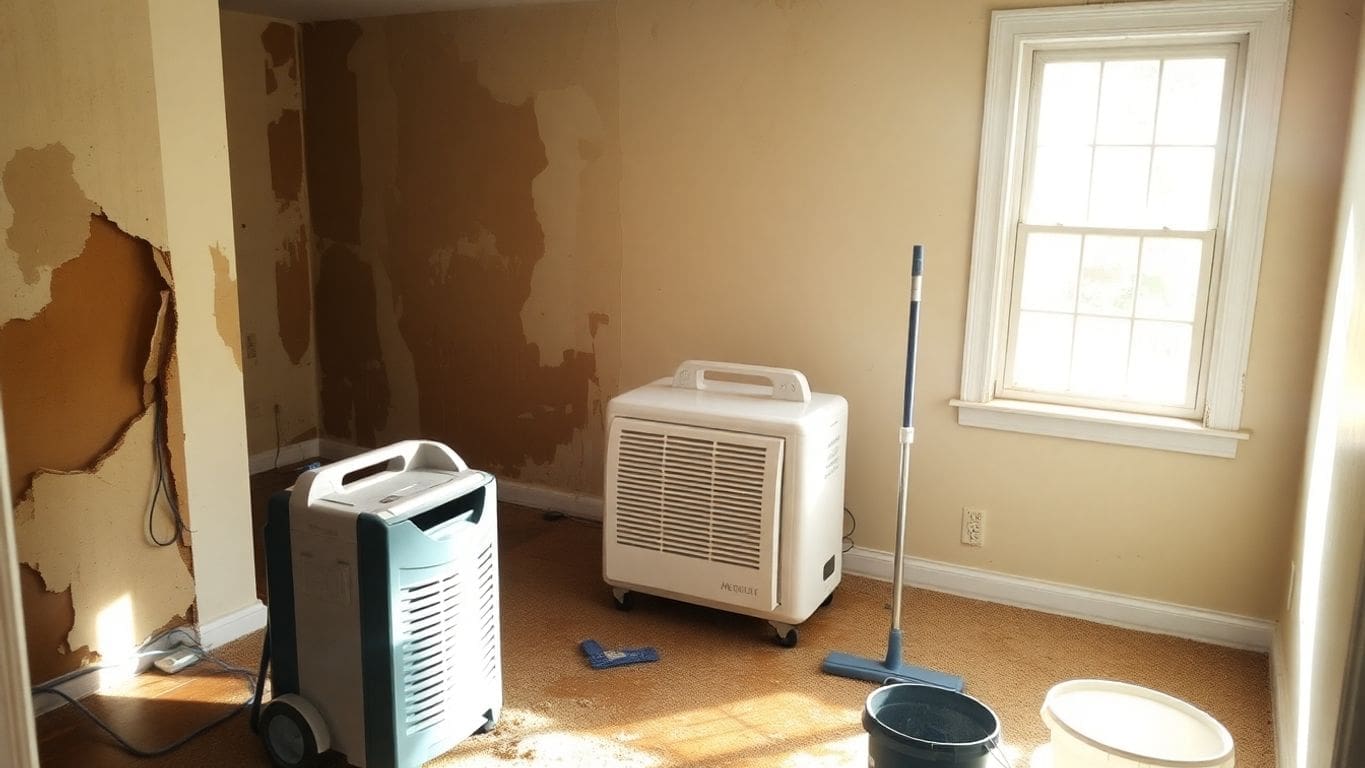
Once the water source is stopped and documented, it’s time to dry and clean. Use fans, dehumidifiers, and towels to remove moisture. Open windows if the weather allows. Mold can start growing in just 24-48 hours, so act quickly. Throw away soaked items that can’t be dried, like carpets or mattresses. If the damage is extensive or you’re dealing with contaminated water, call a professional restoration service to handle it safely.
Water damage can feel overwhelming, but taking these steps right away can save you time, money, and stress in the long run.
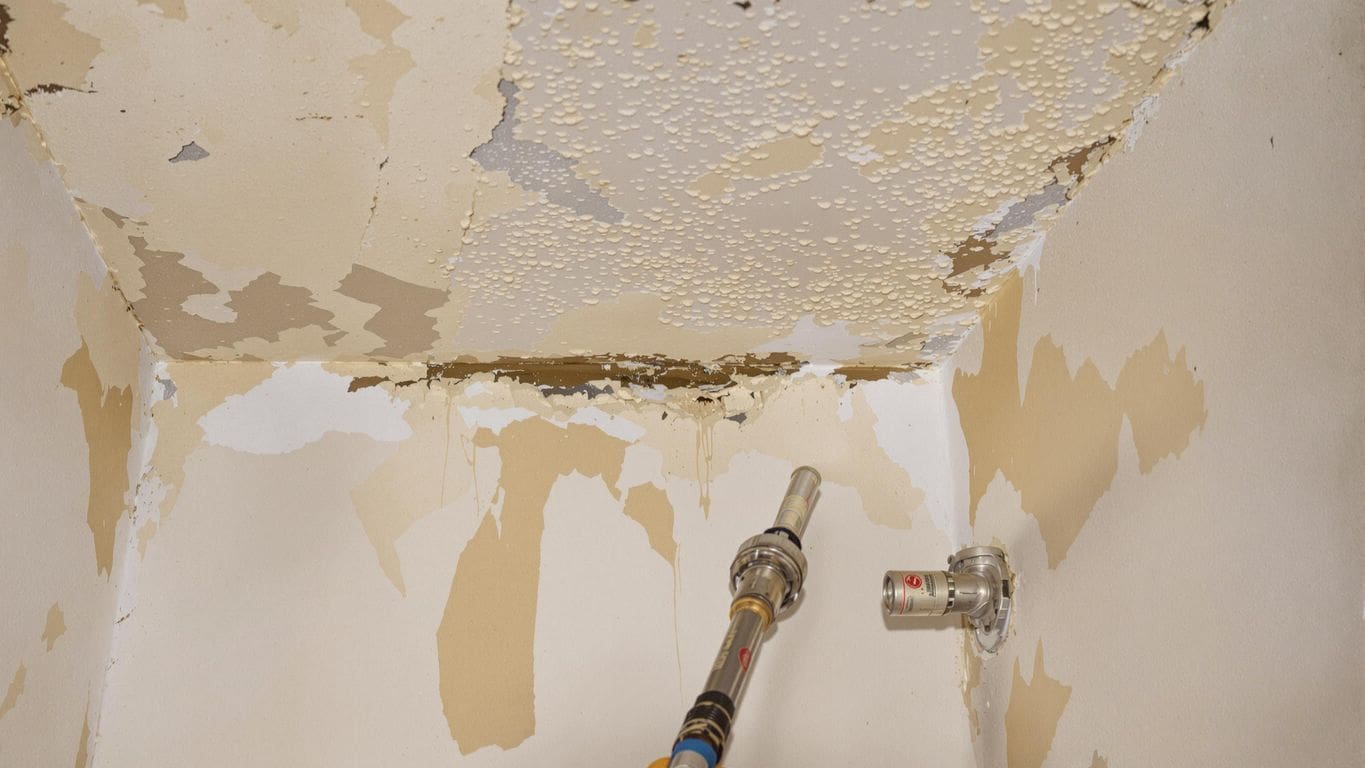
Sometimes, water damage is just too big to handle on your own. If you see mold growing, notice structural damage like sagging ceilings, or suspect the water has reached electrical systems, it’s time to call an expert. Professionals have the tools and experience to handle these serious issues safely.
Here are some situations where DIY isn’t enough:
When you need help, it’s important to choose the right team. Look for companies with good reviews, proper licensing, and experience in water damage repair. Ask if they offer a free inspection. A trustworthy service will explain what needs to be done and provide a clear estimate.
Tips for choosing a reliable service:
Professional water damage repair can be expensive, but it’s worth it to prevent bigger problems later. Costs depend on the size of the area affected, the type of water (clean or contaminated), and how much repair is needed.
Here’s a simple breakdown of potential costs:
| Type of Service | Estimated Cost Range |
|---|---|
| Water extraction | $500 – $1,500 |
| Mold remediation | $500 – $6,000 |
| Structural repairs | $2,000 – $10,000+ |
Remember, delaying professional help can lead to higher costs and more damage. Don’t wait too long to make the call.
Ignoring water damage can lead to mold and mildew taking over your home. Mold thrives in damp areas and can grow within just 24 to 48 hours. You might notice black, green, or white patches on walls, ceilings, or floors. Mold doesn’t just look bad—it can also cause health problems like allergies or breathing issues. Once it spreads, getting rid of it becomes much harder and more expensive.
Water damage doesn’t just stay on the surface. Over time, it can weaken your home’s structure. Wood can rot, metal can rust, and even your foundation can crack. These issues may start small, but if left unchecked, they can lead to serious problems like sagging ceilings or even a collapse in extreme cases. Regular inspections can help catch these issues early.
A home with visible water damage or a history of it can lose value. Potential buyers may see it as a red flag, worrying about hidden problems. Even if you repair the damage, signs like stains or warped materials might still hurt your home’s appeal. To protect your investment, address water issues as soon as they happen.
Ignoring water damage is like letting a small leak turn into a flood—it only gets worse with time. Taking action now can save you money and stress later.
Inspect your home often to catch small problems before they grow. Check for leaks under sinks, around toilets, and near appliances like dishwashers or washing machines. Look at your roof for missing shingles and your basement for signs of dampness. Spotting issues early can save you a lot of money and stress.
Consider installing smart water leak detectors. These devices alert you to leaks as soon as they happen. Some even shut off your water automatically to prevent major damage. It’s a simple way to protect your home from unexpected water disasters.
Teach everyone in your home how to spot signs of water damage. Show them how to turn off the main water valve in an emergency. Small steps like these can make a big difference in preventing costly repairs later.
Taking proactive steps today can help you avoid expensive repairs and keep your home safe for years to come.
When it comes to water damage, not all insurance policies are the same. Some might cover sudden events like a burst pipe, while others exclude damage caused by gradual issues like poor maintenance. It’s important to read your policy carefully to know what’s included. For instance, flood damage is often not covered under standard homeowner policies and requires separate flood insurance. Make sure you understand terms like "covered peril" or "exclusions," which outline what your insurer will or won’t pay for.
If you discover water damage, take immediate action to ensure your claim is successful:
Keep all receipts for repairs and cleanup. These can be reimbursed if they fall under your coverage.
Many claims get denied due to preventable mistakes. Here’s how to avoid common pitfalls:
Filing a claim can feel overwhelming, but staying organized and following your insurer’s guidelines will make the process smoother.
In emergencies, like during emergency water clean up, quick action is essential to prevent mold and further complications. Always choose certified restoration services to ensure quality work and better chances of reimbursement.
Smart sensors are a game-changer for spotting water damage early. These small devices can be placed near pipes, under sinks, or in basements. When they detect moisture, they send an alert to your phone. This quick warning can save you thousands of dollars in repairs. Some advanced sensors even monitor temperature changes to predict frozen pipes before they burst.
Water damage isn’t always visible. Infrared cameras help you find leaks hidden behind walls or under floors. These cameras detect temperature differences, showing where water might be lurking. Professionals often use them, but you can rent one for personal use. It’s a simple way to spot issues before they get worse.
High humidity can lead to mold and mildew, even if there’s no visible water damage. Smart humidity monitors keep track of moisture levels in your home. If the humidity gets too high, you’ll get a notification. This can help you act quickly to prevent problems like mold growth.
Early detection is key to avoiding costly repairs. Investing in technology now can protect your home and your wallet in the long run.
Common signs include water stains on walls or ceilings, warped floors, peeling paint, and a musty smell.
Look for mold growth, unusual odors, or an unexpected spike in your water bill, which can signal hidden leaks.
Stop the water source, document the damage for insurance, and begin drying and cleaning the affected areas immediately.
If the damage is extensive, involves mold, or affects structural areas, it’s best to contact a restoration expert.
Yes, water damage can lead to mold and mildew, which can cause respiratory problems and other health issues.
Regularly inspect your home, maintain gutters, seal windows and doors, and consider installing a sump pump in vulnerable areas.
It depends on your policy. Sudden damage like a burst pipe is often covered, but gradual issues might not be.
Smart sensors, infrared cameras, and humidity monitors can help spot water issues before they become severe.

Business Owners: Join our insider newsletter for exclusive marketing strategies and growth opportunities for local services business.