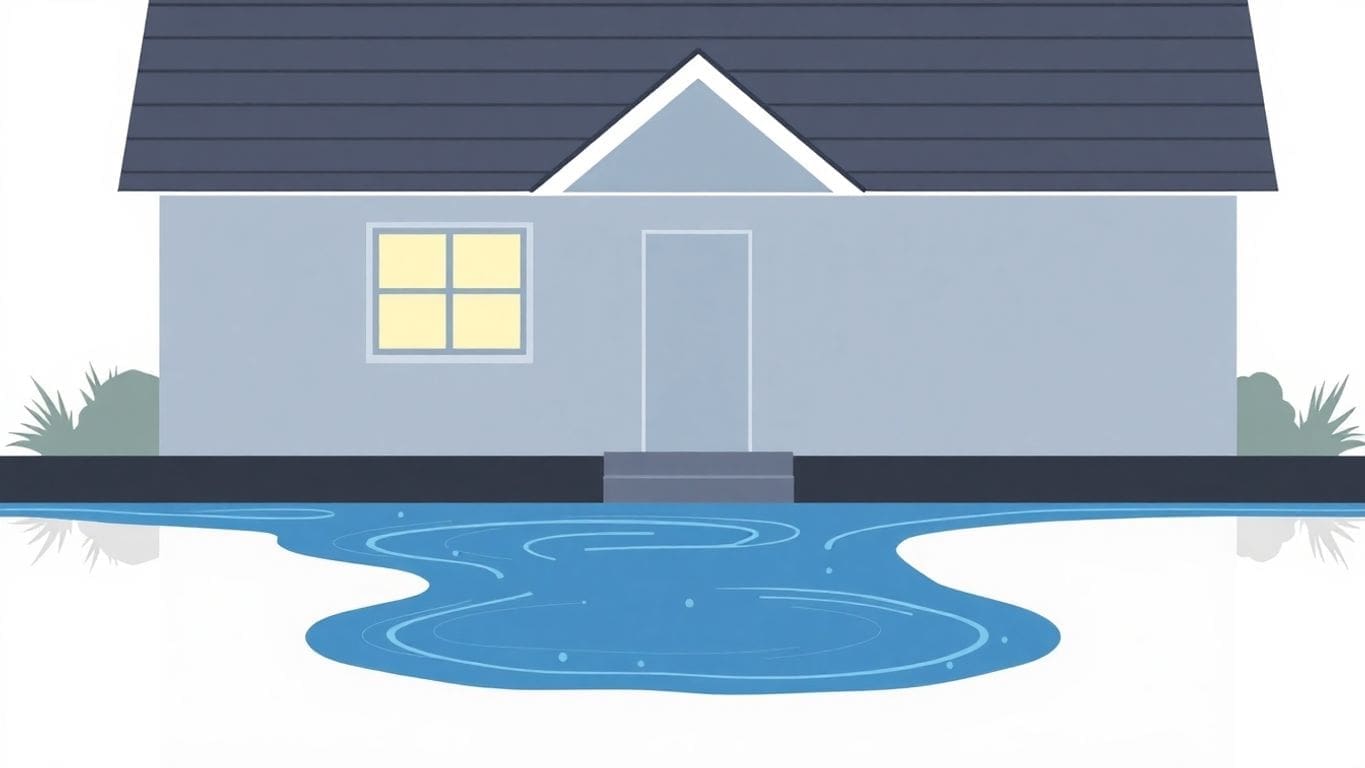
Understanding the Health Risks of Water Damage: Protecting Your Home and Health
Water damage is more than just a pesky problem—it’s a serious threat to both your home and your health. From…



So, you’re sitting there, minding your own business, and suddenly you notice a water stain on your ceiling. Panic sets in, right? Water damage to ceilings is one of those things that can sneak up on any homeowner. Whether it’s from a leaky roof, a busted pipe, or an HVAC system that’s gone rogue, the damage can be a real headache. In this article, we’re breaking down what causes water damage to ceilings and how you can stop it before it starts.
Roof leaks are a major cause of ceiling water damage. When your roof is old or damaged, rainwater can seep through and drip onto your ceiling. This can lead to stains and even structural damage if not fixed quickly. Some things that cause roof leaks include missing shingles, cracked flashing around chimneys, or ice dams in winter. To prevent these issues, it’s important to inspect your roof regularly and fix any problems right away.
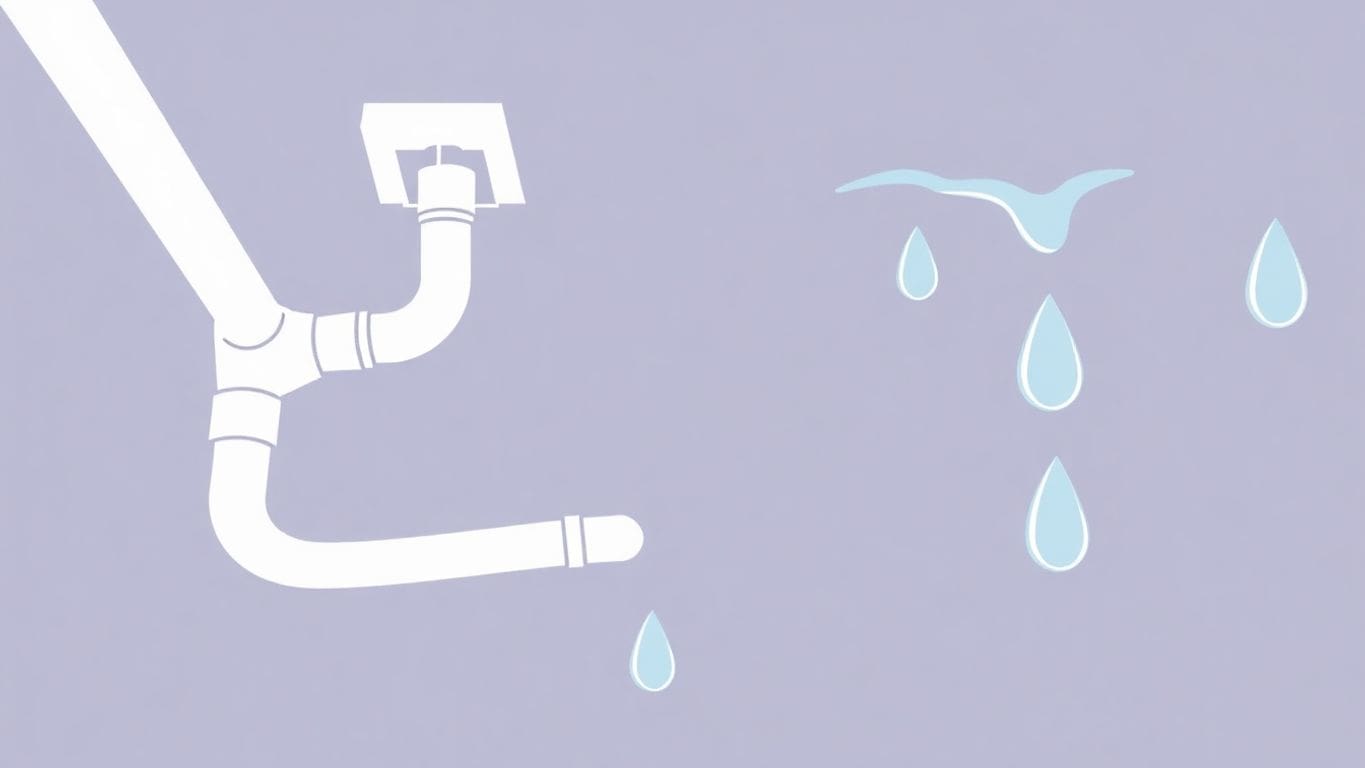
Plumbing problems can also lead to water damage in ceilings. If a pipe bursts or a faucet leaks, water can travel through walls and ceilings, causing stains or even making the ceiling sag. Common plumbing issues include leaking supply lines, clogged drains, and faulty seals around fixtures. To protect your ceiling, keep an eye on your plumbing and fix leaks as soon as you notice them.
Your heating and cooling systems can also cause ceiling water damage. If your air conditioner or heater leaks, the water can drip onto your ceiling, leading to stains and mold growth. Condensation from these systems can also be a problem, especially if they aren’t maintained properly. Regularly check your HVAC systems for leaks and ensure that drainage lines are clear to prevent water from building up and causing damage.
Water damage to your ceiling can be a real headache, but understanding the common causes can help you prevent it. By keeping up with roof, plumbing, and HVAC maintenance, you can protect your home and avoid costly repairs.
Spotting water stains on your ceiling is like finding a clue to a mystery. These stains are often brown or yellow and can spread over time. Water stains mean trouble because they show water is seeping where it shouldn’t. Keep an eye out for these telltale signs, as they can save you from bigger headaches later.
When your ceiling starts to sag or bulge, it’s a red flag. This happens when water gets trapped above, making the ceiling heavy. If you notice your ceiling drooping, it’s time to take action. Ignoring it can lead to more serious problems, even structural damage.
Mold and mildew love damp places. If you see dark spots or patches on your ceiling, it might be mold. These spots can be black, green, or even white. Mold not only looks bad but can also affect your health. A musty smell is another hint that mold might be growing.
Recognizing these signs early is like catching a problem before it gets out of hand. By being aware, you can avoid costly repairs and keep your home safe.
When you spot water damage on your ceiling, the first thing to do is turn off the water supply. If the leak is from a pipe or an appliance, stopping the water flow can prevent further damage. Locate your main shut-off valve, which is usually in the basement or near the water meter, and turn it off.
Water and electricity are a dangerous mix. If you see water near any lights or outlets, switch off the electricity in that area right away. Go to your circuit breaker and flip the switch for the affected room. It’s better to be safe than sorry.
Take photos or videos of the water damage. Capture the ceiling, any affected furniture, and the water source if you can. This documentation will help when you file an insurance claim. Write down the date and any details about what happened. Choosing the right water damage restoration company can also be a crucial next step to consider, ensuring you have professional help if needed.
Quick action can save you a lot of trouble later. Addressing water damage immediately helps prevent more severe issues like mold or structural problems. Don’t wait to tackle the issue head-on.
When you spot water dripping from your ceiling, start by checking your roof and attic. Roof leaks are a common cause of water damage. Look for missing or damaged shingles. If you’ve had a recent storm, inspect for wet spots in the attic. Use a flashlight to see any water trails or dark spots indicating moisture.
Plumbing issues often lead to ceiling leaks, especially if you have bathrooms above the affected area. Examine the pipes and fixtures for any signs of leaks. Check under sinks, around toilets, and near bathtubs. Look for water stains or dampness on the ceiling below these areas.
Your HVAC system can also be a source of leaks. Condensation from air conditioning units can drip and cause damage. Inspect the area around your HVAC unit for any signs of water. Ensure that the condensation lines are not clogged and are draining properly.
Finding the source of a ceiling leak is like solving a mystery. It requires careful observation and sometimes a bit of detective work. Once you identify the source, you can take the right steps to fix it and prevent future problems.
Roof leaks are a common cause of water damage to ceilings. If you notice a leak, it’s important to address it quickly. Start by checking your roof for any missing or damaged shingles. Replace them as soon as possible to prevent further issues. If you’re not comfortable doing this yourself, hiring a professional roofer might be a good idea. They can make sure everything is fixed properly.
Plumbing issues can also lead to water damage. If you suspect a leak in your pipes, you should act fast. First, turn off the main water supply to stop more water from leaking. Then, you might need to repair or replace any broken pipes or fittings. Using pipe sealants or plumber’s tape can help with minor leaks. It’s also wise to insulate your pipes to avoid future condensation problems.
Your HVAC system can sometimes cause water damage if it isn’t working right. Condensation can build up and drip onto your ceiling. To fix this, make sure your HVAC system is regularly serviced. Check for any clogs in the drainage pipes and clear them out. If you’re unsure how to do this, an HVAC technician can help. They can also check if your system needs any repairs to prevent future leaks.
Remember, fixing the source of water damage is just as important as repairing the ceiling itself. Ignoring the cause can lead to more problems down the road. It’s always better to tackle the issue head-on and ensure your home stays safe and dry.

Keeping your roof and gutters in good shape is like giving your house a regular check-up. Clean your gutters to stop water from backing up and causing leaks. Check the roof for missing or broken shingles and get them fixed quickly. This simple routine can save you a lot of trouble later.
Your plumbing needs love too. Look out for leaks under sinks or around toilets. Even a small drip can turn into a big problem. It’s smart to have a plumber check things out once in a while. They can spot issues you might miss.
Good insulation keeps your home cozy and dry. Make sure your attic is well-insulated to stop moisture from building up. Ventilation is important too. It helps air move around and keeps things dry. You might want to add vents or fans in places like the bathroom or kitchen.
Taking care of your home now can prevent headaches later. A little effort goes a long way in keeping your ceiling dry and safe.
By doing these things, you can avoid the hassle and cost of dealing with water damage. Remember, prevention is always better than repair. Keep an eye out for any signs of trouble and act fast if you spot something. This way, your ceiling stays in top shape, and you can relax knowing your home is protected.
Ignoring water damage in your ceiling can lead to serious structural issues. Over time, water seeps into the materials, making them weak and prone to breaking.
Mold and mildew love damp places and can grow quickly on a wet ceiling. This isn’t just a problem for your home, but also for your health.
It’s important to act fast. Mold can spread through your home, causing more damage and health issues.
Water and electricity are a dangerous mix. If water reaches your home’s wiring, it can cause big problems.
By understanding these risks, you can see why it’s crucial to tackle ceiling water damage quickly. Regular maintenance checks on roofs and plumbing can help prevent these issues. Don’t wait until it’s too late—fix leaks as soon as you spot them.
Knowing when to call in the pros is half the battle. If your ceiling is showing signs of serious trouble, like sagging or mold, it’s time to get help. Professionals have the right tools and experience to tackle complicated repairs. They can also check the structure of your home to see if anything needs fixing or replacing.
Picking the right team for the job is important. Look for folks who specialize in water damage. They should know how to handle everything from small leaks to big problems. Make sure they have good reviews and proper licenses.
Before you call in the experts, check your insurance. Find out what your policy covers. You might need to document the damage with photos. This can help when you talk to your insurance company about getting repairs covered.
When water damage strikes, knowing when to call a professional can save you time, money, and stress. It’s not just about fixing the ceiling; it’s about protecting your home and your peace of mind.
Keeping your ceiling dry and secure is not just a one-time fix. It’s an ongoing commitment to regular maintenance and smart choices. Here’s how you can do it:
Regularly checking your home can catch small problems before they turn big. Look at your roof, plumbing, and HVAC systems at least twice a year. This way, you can find leaks or wear and tear early.
A strong roof is your first defense against water damage. Invest in good materials that last longer and resist leaks better. This might cost more upfront, but it saves money on repairs later.
Understanding how water damage happens helps you prevent it. Learn about common causes like poor insulation or clogged gutters. Share this knowledge with family and friends so everyone can help keep the home safe.
Keeping your ceiling dry isn’t just about fixing leaks when they happen. It’s about being proactive and taking steps to prevent them in the first place. With regular checks and quality materials, you can keep your home safe and dry for years to come. Conduct regular inspections of plumbing and water supply lines to further mitigate potential water damage.
Ceiling water damage is often caused by roof leaks, plumbing issues, or HVAC system malfunctions. Bad weather and appliance problems can also lead to water damage.
Look for water stains, sagging or bulging areas, and mold growth on your ceiling. These are early signs of water damage.
First, turn off the water supply and ensure electrical safety. Document the damage for insurance purposes and move valuables away from the affected area.
Check your roof and attic for leaks, inspect plumbing fixtures and pipes, and evaluate HVAC systems for any signs of leaking.
Repairing roof and shingle damage, fixing plumbing leaks, and addressing HVAC condensation issues are effective ways to repair ceiling water damage.
Regular maintenance of your roof and gutters, routine plumbing inspections, and ensuring proper home insulation and ventilation can help prevent future water damage.
Ignoring water damage can lead to structural damage, health risks from mold, and electrical hazards, posing safety concerns.
Call a professional if the damage is severe, you’re unsure about the repairs, or need help with insurance coverage options.

Business Owners: Join our insider newsletter for exclusive marketing strategies and growth opportunities for local services business.