A Comprehensive Guide on How to Replace Water Damaged Ceiling Effectively
Water damage can be a serious problem for homeowners, especially when it affects the ceiling. Understanding how to replace a…



Floods can be a nightmare. They don’t just wreck homes and roads; they mess up lives. Understanding what causes these floods is crucial for figuring out how to deal with them. From nature’s fury to human actions and climate changes, many factors play a role. Let’s break down what leads to these destructive events and how they impact us.
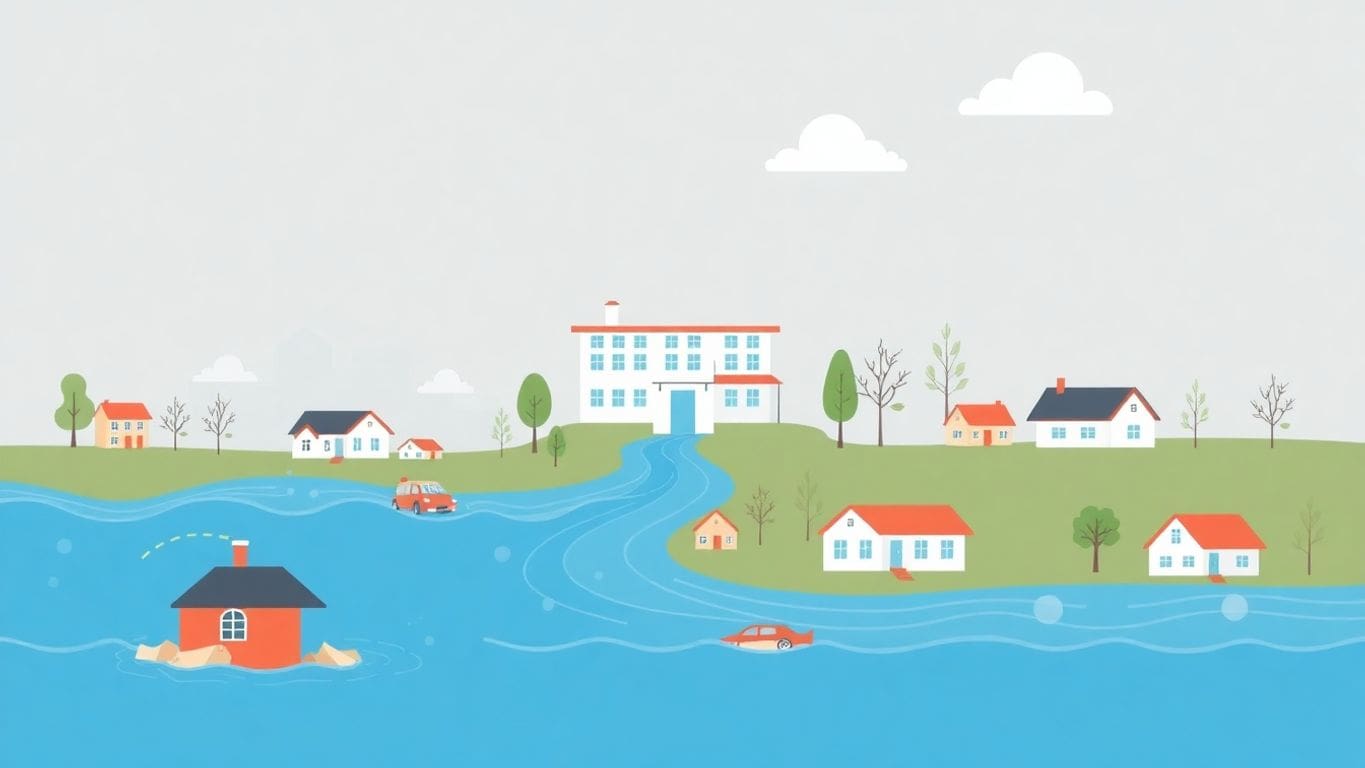
Floods can happen for a bunch of reasons. Nature plays a big role. Heavy rain can make rivers overflow. Melting snow can cause lots of water to rush into streams. Sometimes, even the ocean can push water onto land during big storms. These natural events can lead to serious floods.
People also cause floods. When we cut down trees, the land can’t soak up water as well. Building lots of roads and houses means there’s less ground to absorb rain. Plus, if we don’t keep our gutters and drains clean, water can back up and flood areas.
Climate change is making floods worse. Warmer temperatures mean more intense rainstorms. This can lead to floods happening more often. Ice caps melting also adds more water to the oceans, which can cause coastal flooding. It’s a big problem that needs attention.
Understanding these factors helps us prepare better for floods. Knowing what causes them can help us take steps to reduce flood damage. It’s not just about nature; it’s about how we live and how we can change for the better.
Floods can hit hard and fast, or they can creep up slowly. Each type of flood brings its own set of challenges and dangers.
Flash floods are like a surprise storm. They happen quickly, often with little warning. Heavy rain or a dam break can cause them. These floods can sweep away cars and damage homes in minutes. You need to act fast to stay safe. Always have an evacuation plan ready.
River floods are slower but still dangerous. They happen when rivers overflow their banks. This can be due to heavy rain or melting snow. River floods can last for days or even weeks. They can cover large areas and cause long-term damage to homes and farms. It’s important to stay informed about river levels if you live near one.
Coastal floods happen when the sea rises and moves inland. Storm surges from hurricanes or high tides can cause them. These floods can damage coastal communities. They can also erode beaches and harm wildlife. If you live near the coast, watch weather reports during storm seasons.
Flood types affect how you prepare and respond. Knowing the kind of flood you might face helps you plan better and stay safe.
Floods can wash away the top layer of soil, which is rich in nutrients. This makes it hard for plants to grow back. When soil is lost, it can lead to barren lands where nothing can grow. This process is known as soil erosion. Over time, it can change the landscape and harm farming.
Floodwaters can carry dirt and other things into rivers and lakes. This can make the water cloudy and harm fish and plants living there. Sometimes, the sudden rush of water can change the temperature or oxygen levels in the water. Fish and other creatures might find it hard to survive in these new conditions.
When floods happen often, they can change the types of plants and animals in an area. Some animals might leave because their homes are destroyed. Others might not survive the changes. This can lead to fewer types of plants and animals, which is known as a loss of biodiversity.
Floods not only reshape the land but also alter the delicate balance of life in water and on land. It’s a reminder of how connected everything is in nature.
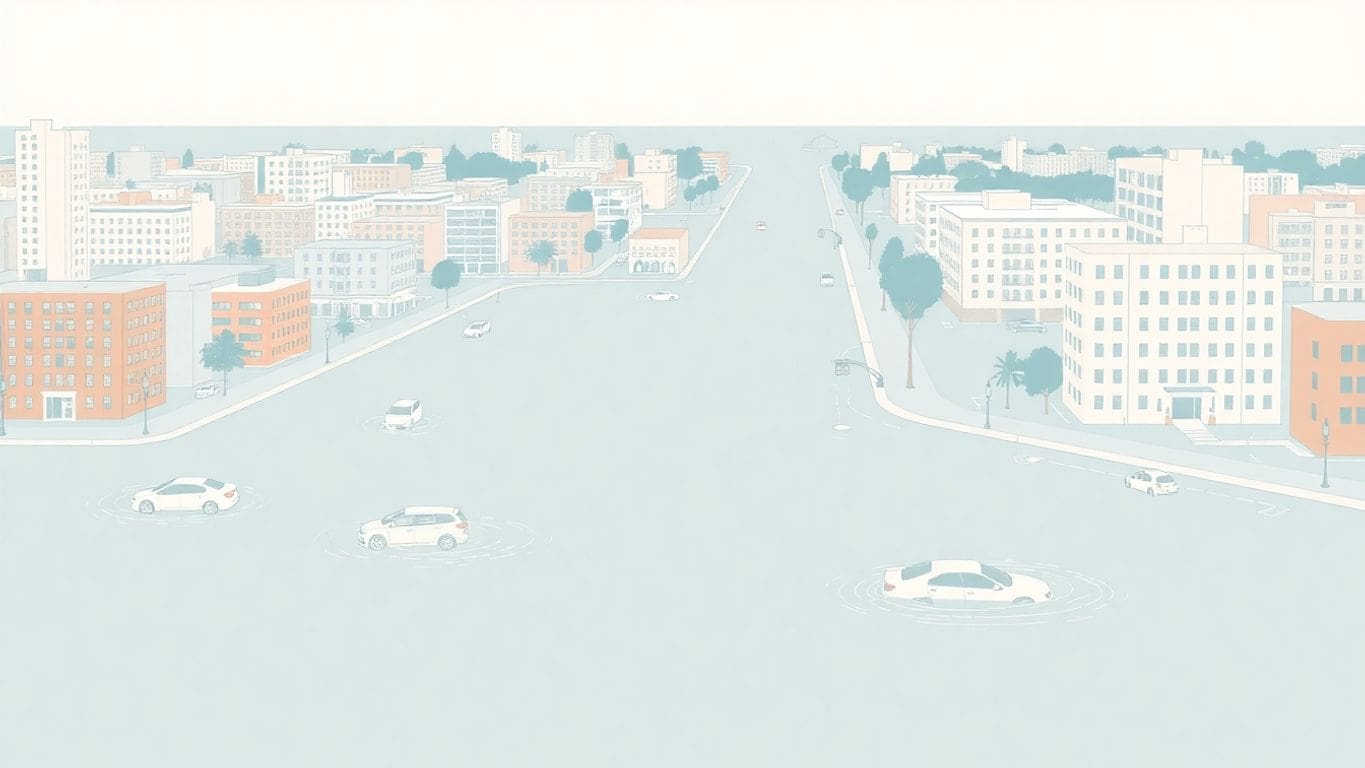
Floods can cause a lot of damage to homes and buildings. When water gets inside, it can ruin walls, floors, and furniture. Repairing this damage can be very expensive. In 2024, fixing water damage costs between $20.20 and $36.76 per square foot. The type of water, like clean or dirty, can make a difference in price. Also, if mold starts to grow, it can add an extra $15 to $30 per square foot to your repair bill. Acting quickly can help keep costs down.
Dealing with insurance after a flood can be tricky. You might think you have enough coverage, but sometimes it doesn’t cover everything. It’s important to know what your policy includes. Filing a claim can be a long process, and you might need help to get through it. Some people find it helpful to talk to a lawyer who knows about insurance claims.
Floods don’t just hurt buildings; they can also hurt the whole community. Stores and businesses might have to close for repairs, which means people can’t work. This can make it hard for the community to bounce back. Sometimes, the government or local groups step in to help. They might offer loans or grants to help businesses get back on their feet. It’s important for everyone to work together to help the community recover.
Floods can bring more than just water into your home. They can also introduce a variety of health risks that you need to be aware of. Let’s break down some of these risks and how they might affect you.
Floodwater isn’t just rainwater. It can carry harmful substances like sewage, chemicals, and debris. These contaminants can pose serious health threats to you and your family. If you come into contact with floodwater, it’s important to wash thoroughly with soap and clean water. Remember, it’s not just about getting wet—it’s about what’s in the water.
After a flood, damp areas in your home can quickly become breeding grounds for mold and mildew. These can cause respiratory issues, especially if you have allergies or asthma. To prevent mold growth, dry out your home as soon as possible. Use fans, dehumidifiers, and open windows to improve air circulation. Regularly check for mold in hidden areas like under carpets or behind walls.
Dealing with flood damage can be overwhelming. It’s normal to feel stressed or anxious after such an event. You might worry about your home, your belongings, or the cost of repairs. It’s important to talk about your feelings with friends, family, or a professional. Sometimes, sharing your experiences can help ease the burden.
Floods can be both physically and emotionally draining. Taking care of your mental health is just as important as dealing with the physical damage.
If you’re dealing with water damage, there are expert insights on water and flood damage restoration that can help you understand the potential consequences, including mold growth and prevention tips. Being informed can make a big difference in how you handle the aftermath of a flood.
Building a flood-resistant home can save you a lot of trouble. Elevating your home is one way to keep it safe from floodwaters. By raising the foundation, you can prevent water from entering during a flood. Another method is installing flood vents. These allow water to flow through instead of building up pressure, which can damage walls. Using waterproof materials for your home’s construction is also smart. Materials like concrete and steel don’t absorb water, making them ideal for flood-prone areas.
Working together with your community can greatly reduce flood damage. First, make sure your family has an evacuation plan. Know the safest routes to higher ground and keep an emergency kit ready. This kit should have essentials like water, food, and a flashlight. Participate in community drills to stay prepared. It’s important to understand local flood warnings and alerts. This way, when a flood is coming, you know exactly what to do.
Good drainage systems are key to preventing floods. Make sure gutters and downspouts are clean and direct water away from your home. You can also install a sump pump in your basement to remove water that collects there. In areas prone to heavy rain, having a robust drainage system can make a big difference. It’s like giving water a path to follow, instead of letting it pool around your home.
Remember, taking these steps can help protect your home and community from the dangers of flooding. Being prepared is your best defense.
In addition to these steps, considering flood insurance is a wise move. It provides financial protection if your home does get flooded. Regular maintenance and understanding local flood risks are also crucial to safeguarding your home.
Flood insurance is a must-have if you live in an area prone to floods. It helps protect your home and belongings from water damage. Let’s explore why having this insurance is so important and how it can save you from a lot of stress.
When you buy flood insurance, it’s crucial to know what it covers. This insurance typically covers things like your home’s structure and your personal belongings. However, it might not cover everything, so it’s important to read the details carefully. Knowing your policy’s coverage limits and deductibles can save you from surprises later.
Filing a claim after a flood can be a bit tricky. First, you need to document all the damage. Take photos and make a list of everything that’s been affected. Then, contact your insurance company to start the claims process. Remember, the sooner you report the damage, the quicker you can get help.
"In case of water damage, documenting the damage for insurance claims and understanding the specifics of your insurance policy, including coverage types and deductibles, can help avoid costly repairs and ensure swift restoration."
Sometimes, dealing with insurance can be overwhelming. If you find yourself stuck, don’t hesitate to seek legal help. Lawyers who specialize in insurance claims can guide you through the process. They can also help if your claim is denied or if you face other issues. Having professional support can make a big difference in getting what you need.
In short, flood insurance is not just an option, but a necessity for those in flood-prone areas. It offers peace of mind and financial protection when you need it the most. Make sure to understand your policy, document any damage thoroughly, and seek help if needed. This way, you’ll be well-prepared to handle any flood-related challenges that come your way.
When you think about natural disasters, floods and wildfires might come to mind. They both cause big problems, but in different ways. Floods bring lots of water, which can ruin homes, roads, and even the land itself. Wildfires, on the other hand, burn everything in their path. They can destroy homes completely and change the landscape.
Here’s a quick look at how they compare:
Both floods and earthquakes can cost a lot to fix. After a flood, you might have to pay for water removal, drying, and repairing your home. Earthquakes can cause damage to your home’s structure, like walls and foundations.
Here’s a table to compare costs:
| Disaster Type | Common Costs |
|---|---|
| Floods | Water removal, drying, repairs |
| Earthquakes | Structural repairs, rebuilding walls |
Climate change is making both floods and wildfires happen more often. Warmer temperatures mean more wildfires because the land gets dry. Rising sea levels and stronger storms can lead to more floods. It’s a good idea to prepare your home for these changes. Think about flood insurance or fire-proofing your home.
Taking steps to protect your home now can save you a lot of trouble later. Consider choosing the right water damage restoration company to help you with any future problems. They can guide you through the process of fixing your home after a flood.
Imagine getting a heads-up before a flood hits. That’s what early warning systems are all about. These systems use sensors to detect changes in weather and water levels. They send alerts to warn people in danger zones. This gives you time to get to safety.
Smart infrastructure is like giving cities a brain. It uses technology to manage water better. Roads can be designed to let water drain quickly. Buildings can have features like flood vents to let water pass through without causing damage.
Data is like a crystal ball for predicting floods. Scientists use computers to study patterns in weather and water. These models help predict when and where floods might happen. With this info, cities can prepare and protect people better.
Understanding these technologies can make a big difference in keeping you safe during floods. It’s like having a superhero team watching out for you.
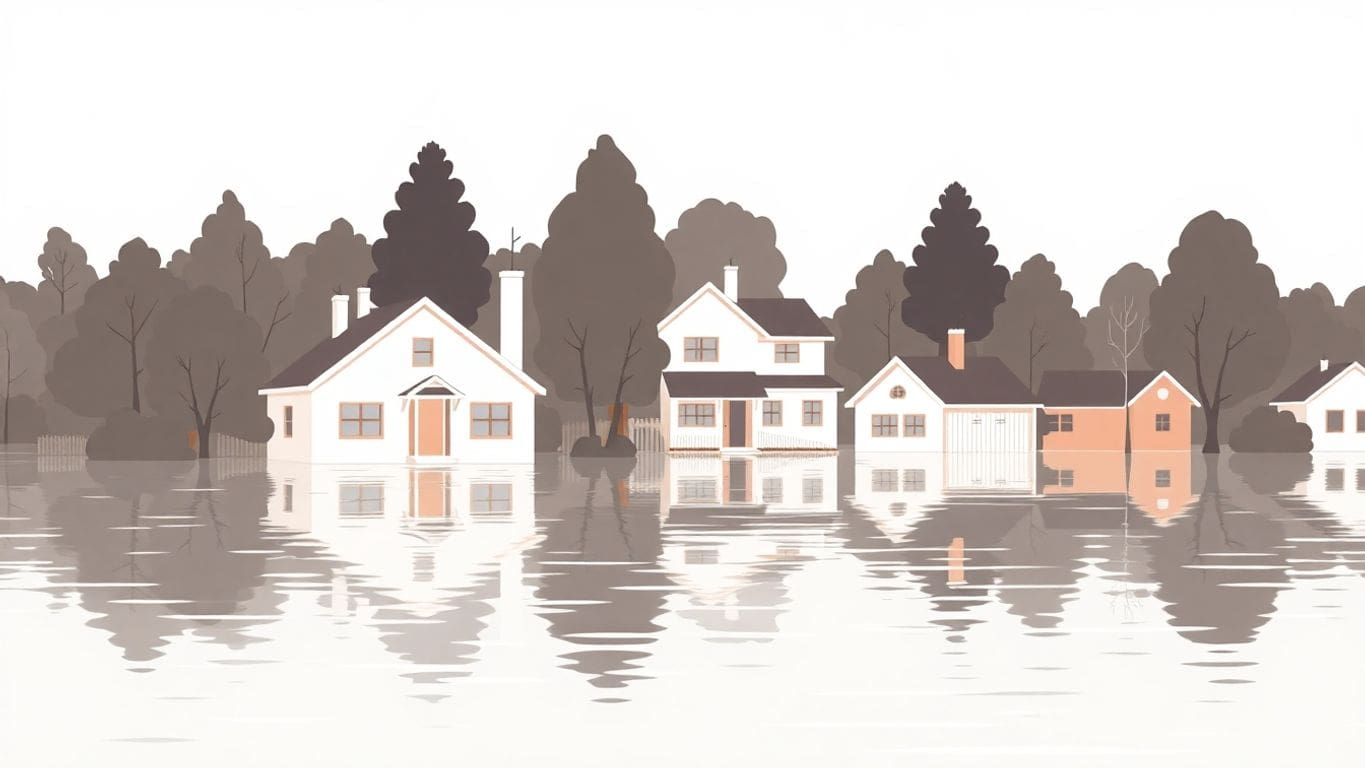
When floods hit, they leave behind more than just water damage. They leave stories. These stories often show us the power of human spirit. Imagine waking up to find your home under water. Everything you’ve worked for is suddenly at risk. Yet, people find ways to cope and recover. Survivors often share tales of bravery and community support. These stories remind us that even in the worst times, people can come together to help each other.
Communities have shown amazing resilience after floods. They’ve rebuilt homes, schools, and roads. It’s not just about fixing buildings, though. It’s about bringing back the spirit of the place. Here are some steps communities have taken:
These efforts show how working together can make recovery faster and more effective.
Learning from past floods is key to better preparation. Communities have learned to:
"Preparing for floods isn’t just about protecting property. It’s about safeguarding lives and keeping communities strong."
By sharing these stories and lessons, we can better prepare for the future and help others do the same.
Floods can occur due to heavy rain, overflowing rivers, broken dams, or melted snow. Sometimes, natural events like hurricanes or tsunamis can also lead to flooding.
Humans can cause flooding by cutting down trees, building on floodplains, and creating lots of hard surfaces like roads, which prevent water from soaking into the ground.
There are several types of floods, including flash floods, which happen quickly; river floods, which occur when rivers overflow; and coastal floods, caused by ocean water rising.
Flooding can wash away soil and plants, harm fish and other water animals, and change the landscape. It can also leave behind mud and debris.
Floods can damage homes and businesses, leading to expensive repairs. They can also disrupt local economies and make insurance complicated.
Floodwater can carry germs and chemicals, leading to health problems. It can also cause mold to grow, which can be harmful to breathe in.
Communities can prepare by building flood-resistant structures, creating emergency plans, and setting up good drainage systems to manage water flow.
Flood insurance helps cover the cost of damage caused by floods, which regular home insurance usually doesn’t cover. It’s important for people living in flood-prone areas.

Business Owners: Join our insider newsletter for exclusive marketing strategies and growth opportunities for local services business.