A Comprehensive Guide on How to Replace Water Damaged Ceiling Effectively
Water damage can be a serious problem for homeowners, especially when it affects the ceiling. Understanding how to replace a…



Ever had a leaky roof or a busted pipe? Yeah, it’s a headache. But what’s worse is what comes after—mold. It’s sneaky, and it can start growing before you even realize it. Water damage and mold are like best buds, and they team up to make your life difficult. Knowing when mold starts to show up after water damage can help you stop it in its tracks. Let’s break down how long it takes for mold to appear and what you can do to prevent it.
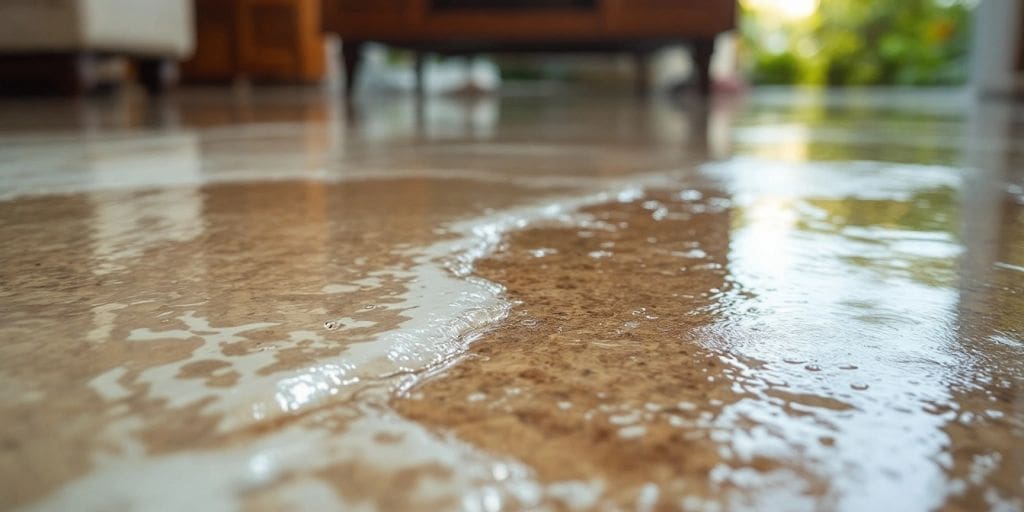
Water damage happens when water finds its way into places it shouldn’t be. This could be from a leaky roof, a burst pipe, or even a small spill that wasn’t cleaned up. When water sits for too long, it starts to mess things up. It can ruin walls, floors, and even furniture. If left untreated, water damage can lead to bigger problems, like mold.
Mold loves wet and damp spots. It doesn’t take long for mold to start growing once there’s enough moisture. Mold spores are everywhere, but they only grow when they find a cozy, damp place. Warm temperatures and humidity make it even easier for mold to spread. That’s why basements, bathrooms, and kitchens are common mold hotspots.
When water damage occurs, mold is not far behind. Mold can start growing in as little as 24 to 48 hours after water exposure. Moisture is the key ingredient for mold growth. Without it, mold can’t thrive. That’s why it’s important to act fast when you spot water damage. Drying out the area quickly can help prevent mold from taking over.
Mold isn’t just an eyesore; it can also affect your health. Breathing in mold spores can cause allergies and other health issues. That’s why stopping mold before it starts is so important.

When water hits your home, it starts causing trouble right away. Water can seep into walls, floors, and furniture almost immediately. This can weaken structures and ruin personal items. It’s not just about what’s visible. Hidden areas can also get soaked, setting the stage for mold. That’s why it’s important to act fast.
Mold is sneaky. It can start forming in as little as 24 to 48 hours after water damage. At first, you might not see it. But that doesn’t mean it’s not there. Mold often hides in dark, damp spots like behind walls or under carpets. If you notice a musty smell, that’s a big clue mold is growing.
Several things can speed up mold growth:
Mold is like an uninvited guest. It sneaks in quickly and can be hard to get rid of. Acting fast after water damage is your best defense against mold taking over your home.
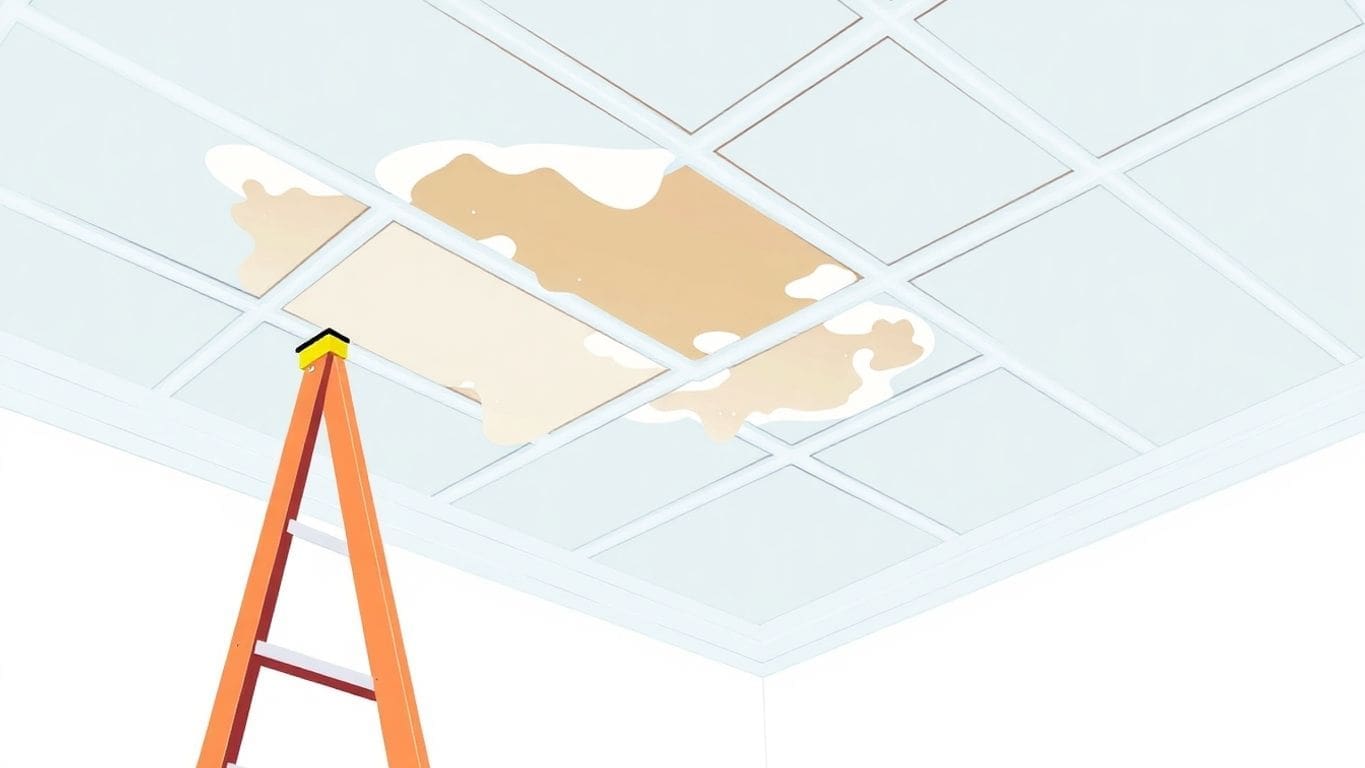
Spotting water damage early can save you a lot of trouble. Look around your home for water stains on walls or ceilings. These spots might be yellowish or brown. Warped floors are another sign. If your floorboards are bending or buckling, water might be the culprit. Also, keep an eye out for peeling paint or wallpaper. When water seeps in, it can make these surfaces bubble or peel away.
Not all signs of water damage are obvious. Sometimes, you have to rely on your nose. A musty smell is a big hint that water is lurking somewhere it shouldn’t be. Listen for dripping sounds, too. Even if you can’t see the water, you might be able to hear it. Also, check for any increase in your water bill. A sudden spike might mean there’s a leak somewhere.
Catching water damage early is really important. The longer water sits, the more damage it can cause. It can lead to mold, which is not only harmful to your home but also to your health. Mold can start growing in as little as 24 to 48 hours after water exposure. So, the sooner you find and fix the problem, the better off you’ll be.
Water damage might seem small at first, but it can quickly become a big problem. By keeping an eye out for the signs, you can stop it before it gets worse.
Understanding the different types of water damage can help you act fast. Clean water from a broken pipe might not be too harmful, but gray water from appliances or black water with sewage can pose serious risks. Knowing the types and signs of water damage can help you tackle issues quickly and prevent further damage.
When water sneaks into your home, act fast! Quick action is your best friend against mold. First, remove any standing water. You can use buckets or a wet vacuum. Next, dry everything out. Use fans and open windows if the weather allows. A dehumidifier works wonders, too. Don’t forget to disinfect surfaces with a bleach solution. This helps stop mold spores from growing.
Preventing mold isn’t just a one-time thing. You need a plan. Regularly check your home for leaks. Look at your roof and plumbing. Fix any issues right away. Also, consider waterproofing your basement. This can help keep water out.
Sometimes, you need a pro. If water damage is severe, don’t hesitate to call in experts. They can assess the damage and help you make a plan. Professionals have tools and knowledge that can really make a difference. They know how to dry areas thoroughly and can spot hidden problems.
Getting professional help can save you money and stress in the long run. It’s better to be safe than sorry when it comes to mold.
For more detailed steps on protecting your home, check out our guide on mitigating water damage. It covers everything from using dehumidifiers to creating prevention plans.
Water damage can sneak up on you, often in places you least expect. Knowing where to look can help you catch problems early.
Kitchens and bathrooms are the usual suspects when it comes to water damage. These areas have a lot of plumbing, which means lots of chances for leaks. Check under sinks, around toilets, and near dishwashers. You might find water stains or even a musty smell.
Basements and attics are also common places for water trouble. Basements can flood, especially during heavy rain. In attics, a leaky roof can cause problems. Look for wet spots on walls or ceilings. If you see mold or mildew, that’s a big red flag.
Some areas are easy to forget about, like behind your washing machine or under your fridge. Water can drip or leak from hoses and pipes, causing damage over time. It’s a good idea to check these spots regularly.
Don’t ignore small leaks. They can turn into big problems if left alone. Regular checks can save you a lot of hassle and money.
If you suspect water damage, it might be time to think about choosing the right water damage restoration company. They can help you fix issues before they get worse. Keeping an eye on these common areas can help you stay ahead of water damage.
When mold grows, it releases tiny particles into the air. Breathing these in can lead to breathing problems. You might find yourself coughing or wheezing more than usual. If you have asthma, mold can make it worse. Even if you’re healthy, mold can cause sneezing and a runny nose. It’s like having a never-ending cold.
Kids and pets are more sensitive to mold. Their bodies are still growing, so they react more strongly. Mold can cause skin rashes or itchy eyes. Sometimes, it can even make kids feel tired or cause headaches. Pets might sneeze or have runny eyes. If you notice these signs, check your home for mold.
Living with mold for a long time can be serious. It can lead to long-lasting lung problems. Some people might develop infections in their lungs. Over time, mold can even affect your memory and focus. It’s important to deal with mold quickly to avoid these issues.
Mold isn’t just a nuisance; it can be a real health problem. If you think mold is in your home, it’s best to deal with it sooner rather than later. Your health is worth it.

Handling mold on your own can be a bit tricky, but it’s doable with the right approach. First, ensure you have the proper gear like gloves, a mask, and goggles to protect yourself. Mold can cause health problems, so safety is key. Next, you’ll want to mix a cleaning solution. Vinegar or baking soda mixed with water can work wonders. Scrub the moldy area gently and let it sit for a while before rinsing. Remember, if the mold covers more than 10 square feet, it’s best to call in a pro.
Sometimes, the mold problem is too big to handle alone. If you notice mold popping up again and again, it might be time to bring in the experts. They have special tools and knowledge to tackle stubborn mold. Plus, they can check if the mold has spread to hidden areas like inside walls or under floors. It’s better to be safe and let the pros handle it if you’re unsure.
Keeping your home mold-free is all about prevention. Start by controlling moisture levels. Use dehumidifiers in damp areas like basements. Fix leaks right away, whether it’s a dripping pipe or a leaky roof. Regular cleaning can also help keep mold at bay. And don’t forget about ventilation! Opening windows or using fans in bathrooms and kitchens can help keep things dry. Staying on top of these tasks can make a big difference in preventing mold.
Ignoring water damage can hit your wallet hard. When water sits, it can lead to mold, which is not cheap to fix. Mold remediation can cost thousands of dollars, depending on how bad it is. You might need to tear out walls or floors, which adds up fast. Plus, if mold spreads, it can damage your home’s structure.
Water damage can lower your home’s value. If you plan to sell, buyers might be scared off by signs of water issues. Even if you fix the problem, the history of damage can still affect your property’s worth. It’s like a stain that doesn’t go away easily.
Living with water damage and mold is stressful. It can make your home feel less safe and comfortable. Mold can also lead to health problems like allergies and asthma. This can be especially tough on kids and pets.
It’s important to address water damage quickly. The longer you wait, the worse it gets. Acting fast can save money and keep your home safe.
Ignoring water damage is a big risk. It affects your finances, your home’s value, and your family’s health. Taking action early can prevent these problems.

When you’re dealing with mold and water damage, picking the right company is a big deal. You want a team that’s reliable and knows what they’re doing. Look for companies that have been around for a while. Check if they have good reviews from other customers. It’s also smart to make sure they use up-to-date equipment and methods.
Before you hire anyone, you should ask some questions. Here are a few to get you started:
Not all companies are the same, so check if they have the right certifications. A good company should have certifications from groups like the IICRC (Institute of Inspection Cleaning and Restoration Certification). This shows they know what they’re doing and follow industry standards. Make sure their workers are trained and have the know-how to handle your problem.
Choosing the right professionals can save you a lot of trouble down the road. It’s worth taking the time to find a company that fits your needs and budget.
If you’re curious about the costs involved in hiring professionals, understanding water damage repair costs can help you plan your budget better. Whether you go DIY or hire experts, knowing the expenses can make a big difference.
Mold spores are tiny, like invisible seeds floating in the air. They’re everywhere, just waiting for the right spot to grow. You can’t see them, but they’re around us all the time. When these spores land on something wet, they start to grow. This is why keeping things dry is super important.
Mold loves damp and dark places. It thrives when the air is humid and warm. Think about your bathroom after a hot shower. If you don’t dry it out, mold might start to appear. Here are some conditions mold likes:
If you spot these conditions in your home, it’s time to take action to keep mold at bay.
Once mold starts growing, it can spread quickly. It travels through the air, hitching a ride on dust or tiny water droplets. Mold can spread from one room to another in no time. Here’s how it usually happens:
Mold doesn’t just make things look bad; it can also mess with your health. Breathing in mold spores can cause sneezing, coughing, and even more serious problems. That’s why it’s so important to deal with mold quickly.
Keeping your home dry and well-ventilated is key. If you notice any signs of mold, act fast to clean it up and fix any water leaks. This way, you can keep your home safe and healthy. For more insights, you might want to explore expert insights on water and flood damage restoration.
When it comes to water damage, knowing what your insurance covers is super important. Most policies have specific rules about water damage. They might cover sudden incidents like a burst pipe, but not gradual leaks. So, read your policy closely. Make sure you know what’s included and what’s not.
If you find water damage, take action fast. Here’s a simple list to help you:
Having all the info ready can make the process smoother.
Sometimes, claims get denied. If this happens, don’t panic. First, ask why it was denied. Then, review your policy again. You might find a way to appeal. If needed, you could get help from a public adjuster.
Insurance can be tricky, but taking the right steps can help you get through it. Remember, knowing your policy is key to avoiding surprises.
Water damage happens when water gets into places it shouldn’t be, like floors, walls, or furniture. This can be from leaks, floods, or broken pipes.
Mold can start to grow within 24 to 48 hours after water damage if the area isn’t dried properly.
You might see stains on walls or ceilings, notice a musty smell, or find peeling paint and wallpaper.
Fixing water damage quickly helps stop mold from growing and keeps your home safe and healthy.
Dry the area completely, use fans or dehumidifiers, and remove any wet items to prevent mold.
If you find mold, clean it up if it’s a small area. For big mold problems, it’s best to call experts.
Yes, mold can cause health problems like allergies, breathing issues, and worsen asthma.
Insurance might cover water damage, but it depends on your policy. It’s important to check what your policy says.

Business Owners: Join our insider newsletter for exclusive marketing strategies and growth opportunities for local services business.