Understanding What Causes Water Damage to Ceiling: Key Insights and Prevention Tips
So, you’re sitting there, minding your own business, and suddenly you notice a water stain on your ceiling. Panic sets…



Concrete is a go-to choice for many construction projects, thanks to its strength and durability. However, if not handled properly, it can crack and lead to costly repairs. Understanding how to prevent cracks in concrete is essential for anyone looking to maintain their structures over time. This guide will walk you through the common causes of cracks, the types of cracks you might encounter, and practical tips to ensure your concrete lasts as long as possible.
Cracks in concrete are a headache, right? They can make your driveway or patio look bad, and sometimes they can even be a sign of bigger problems. Let’s talk about why concrete cracks in the first place. Knowing the causes can help you prevent them.
Too much water in the concrete mix is a common problem. You might think more water makes it easier to work with, but it actually weakens the concrete. When the extra water evaporates, it leaves behind empty spaces. This makes the concrete shrink, and that shrinkage can cause cracks. It’s like when you bake a cake and use too much liquid – it doesn’t turn out right.
Concrete needs time to dry, or cure, properly. If it dries too fast, it can also crack. The chemical reaction that makes concrete hard needs water. If the water evaporates too quickly, the reaction doesn’t finish, and the concrete isn’t as strong as it should be. Think of it like trying to cook something on high heat – the outside might look done, but the inside is still raw. You need to give the concrete enough time to cure so it can reach its full strength. You can prevent water damage in homes by ensuring proper drying time.
Concrete comes in different strengths. Using the wrong strength for your project can lead to cracks. If you’re building a driveway, you need stronger concrete than if you’re building a small patio. It’s like using the wrong kind of wood for a project – if you use soft wood for something that needs to be strong, it’s going to break. Make sure you choose the right concrete strength for what you’re building.
Choosing the right concrete mix and ensuring proper curing are key to preventing cracks. It’s all about getting the balance right and giving the concrete what it needs to become strong and durable.
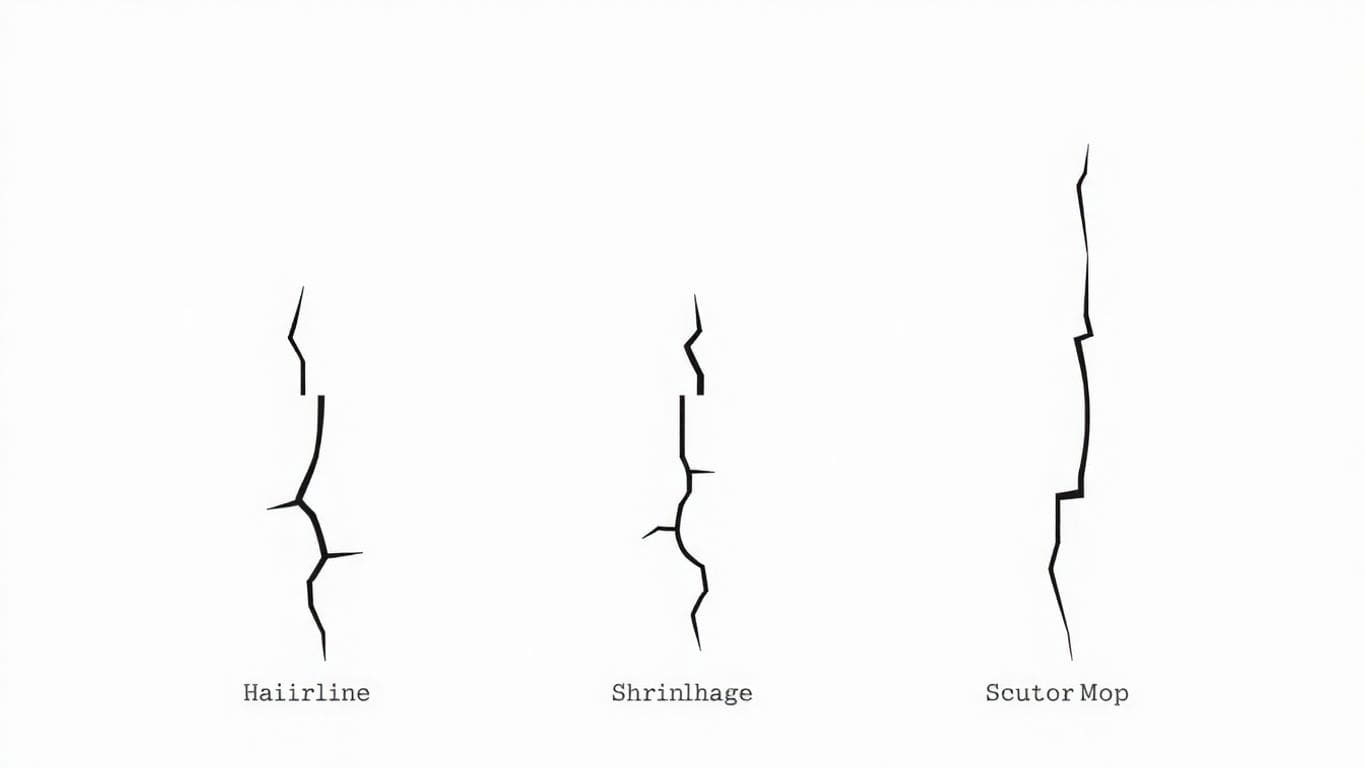
It’s important to know what kind of cracks you’re seeing in your concrete. Some are no big deal, while others can mean serious problems. Knowing the difference can save you a lot of worry and money. Let’s look at some common types.
These are those super thin cracks you might barely notice. They often happen when concrete dries too fast, especially in hot weather. Even though they’re small, hairline cracks can sometimes go all the way through the concrete. They’re usually not a huge problem right away, but you should keep an eye on them. If you see these, it might be a sign that the concrete was curing too quickly.
These are the cracks you really need to worry about. Structural cracks mean there’s a problem with the foundation or the load the concrete is carrying. They’re usually wider and deeper than other types of cracks. If you see a structural crack, get a professional to check it out ASAP. Ignoring these can lead to big trouble. They can appear diagonal and be quite long.
Shrinkage cracks happen when concrete shrinks as it dries. All concrete shrinks a little, but if it dries too fast, it can crack. These cracks are common, especially in new concrete. They don’t always mean there’s a structural problem, but they can let water in, which can cause other issues later on. You’ll often see these soon after the concrete is poured.
Understanding the type of crack is the first step in figuring out how to fix it. Don’t panic if you see a crack, but don’t ignore it either. Take a close look and see if you can figure out what kind it is. If you’re not sure, it’s always best to ask someone who knows concrete.
Mixing concrete the right way is super important for strong, lasting results. If you mess up the mix, you might end up with cracks later on. Let’s look at some simple steps to help you get it right.
Getting the water-cement ratio just right is key. Too much water, and your concrete will be weak. Too little, and it’ll be hard to work with. The right amount of water helps the concrete set properly and reduces the chance of cracks.
Here’s a simple guide:
Aggregates are things like sand and gravel that you mix with cement. Using the right kind can really help prevent cracks. Low-shrinkage aggregates don’t change size as much when they dry, which means less stress on the concrete. You can also prepare the subgrade effectively to ensure uniform support, reducing the potential for settlement-related cracks.
Here’s what to look for:
Using good materials makes a big difference. Cheap cement or dirty aggregates can cause problems down the road. Always invest in quality to make sure your concrete lasts.
Using quality materials is like building a house with strong bones. It sets the foundation for everything else and helps prevent problems later on.
Here’s a quick checklist:
Proper curing is super important for strong concrete. It’s like taking care of a baby plant – you need to give it the right conditions to grow big and strong. If you skip this step, your concrete might crack and not last as long. Proper curing helps the concrete gain strength and durability.
Concrete needs moisture to get strong. Think of it like this: the cement in concrete needs water to do its job. If the concrete dries out too fast, the cement can’t properly bind everything together. You can keep concrete moist by:
Keeping the concrete moist for at least the first week is really important. This helps prevent cracks from forming as the concrete dries.
How long you cure concrete matters. Usually, you want to cure it for at least 5-7 days, but longer is better. The ideal time depends on the type of cement and the weather. If it’s hot and windy, you’ll need to cure it for longer because the concrete will dry out faster. Make sure you hire smoke damage cleaning professionals to avoid further damage.
Curing compounds are special liquids you can spray on concrete. They seal the surface and keep moisture in. This is a great option if you don’t want to keep watering the concrete. Just make sure to follow the instructions on the label. They’re easy to use and can save you a lot of time. Here’s a simple comparison:
| Method | Effort | Cost | Effectiveness |
|---|---|---|---|
| Watering | High | Low | Good |
| Plastic Covering | Medium | Medium | Very Good |
| Curing Compounds | Low | Medium | Excellent |
Think of the subgrade as the foundation for your concrete. If it’s not done right, your concrete could crack later. You want to make sure the ground underneath is ready to support the concrete you’re about to pour. It’s like building a house – you wouldn’t build on a shaky foundation, right?
First things first, clean up the area. Get rid of any rocks, sticks, plants, and other junk. This stuff can get in the way and cause problems later on. You want a clean slate to work with. Make sure there’s no organic material that will decompose over time, creating voids under your concrete. This is a simple step, but it’s super important. You don’t want anything messing with the concrete slab after it’s poured.
Next, you need to compact the soil. This means packing it down so it’s nice and firm. You can use a hand tamper or a plate compactor for bigger jobs. Compacting the base helps prevent settling, which can lead to cracks. A well-compacted base is key to a long-lasting concrete surface. Think of it like this: if the ground is loose, it will shift and move, and that movement can crack your concrete. Proper soil preparation is a must.
Finally, make sure the ground is level. Use a level and a shovel to even things out. If the ground is uneven, the concrete will be thicker in some spots than others, which can also cause cracks. You want a nice, even surface so the concrete can dry and cure properly. Level ground also helps with drainage, so water doesn’t pool up and cause problems.
Preparing the subgrade is one of the most important steps in preventing cracks in concrete. Take your time and do it right, and you’ll be much happier with the results. It’s worth the effort to ensure a solid foundation for your concrete project.
Control joints are like planned cracks. They help control where concrete cracks, so it doesn’t crack randomly all over the place. Think of it like this: you’re giving the concrete a place to release stress. This helps prevent bigger, uglier, and more damaging cracks from forming.
Where you put control joints is super important. You want to put them where the concrete is most likely to crack anyway. This is usually in long, straight lines. A good rule of thumb is to space them about 10 to 12 feet apart. The size of the concrete slab matters too. For bigger slabs, you’ll need more joints. Think about the shape of the concrete. If it’s a weird shape, you might need more joints to handle the stress.
Control joints need to be deep enough to work. They should be about one-quarter to one-third the depth of the concrete slab. If they’re not deep enough, the concrete might crack somewhere else. You can make control joints when the concrete is still wet, or you can cut them in later with a saw. Cutting them in later is more work, but it gives you more control over where they go.
There are different ways to make control joints. You can use a special tool to make a groove in the wet concrete. You can also use strips of wood or plastic to create a joint. Some people even use special drywall repair materials that are designed to create a weak point in the concrete. The important thing is to create a clean, straight joint that will allow the concrete to crack in a controlled way.
Control joints are a simple and cheap way to keep your concrete from cracking all over the place. By planning where the concrete will crack, you can keep it looking good and lasting longer.
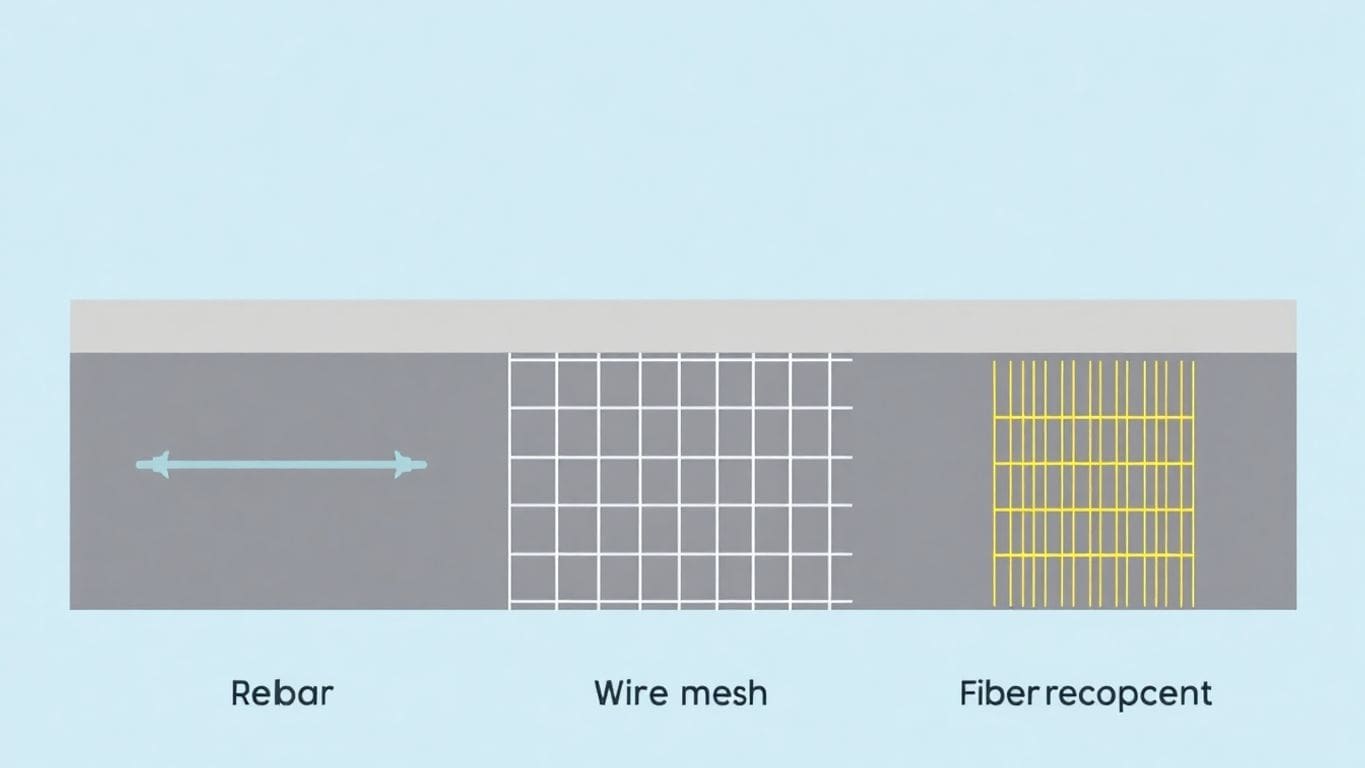
Concrete is strong, but it can still crack. To make it last longer, you can add things to it to make it even stronger. This is like giving your concrete a superpower!
Think of steel mesh like a net inside your concrete. It helps hold the concrete together. When the concrete starts to pull apart, the steel mesh keeps it from cracking. It’s like having a built-in safety net for your concrete. Adding steel mesh is a common way to make concrete stronger.
Instead of steel mesh, you can use tiny fibers mixed into the concrete. These fibers are like little hairs that hold the concrete together. They help stop small cracks from turning into big ones. Fiber reinforcement is especially good for areas that might move or shake a lot.
Not all reinforcement is the same. You need to pick the right one for your project. Steel mesh is good for big areas, while fibers are good for smaller jobs. Think about what your concrete will be used for and how much stress it will be under. This will help you choose the best way to [prevent water damage](#d209] and make your concrete last.
Temperature changes can really mess with concrete. It’s important to think about how hot or cold weather affects your concrete project. If you don’t, you might end up with cracks. Let’s look at some ways to deal with temperature problems.
Concrete expands when it gets hot and shrinks when it gets cold. This is called thermal expansion. If the concrete can’t expand or shrink freely, it can crack. Knowing how much your concrete will move with temperature changes is key. Different types of concrete also expand and contract at different rates, so keep that in mind.
Insulation can help keep concrete at a more steady temperature. This is really useful in cold weather. You can use blankets or other materials to keep the concrete warm while it hardens. This helps prevent it from freezing and cracking. In hot weather, insulation can also help keep the concrete from getting too hot too fast.
The time of day and year you pour concrete can make a big difference. Avoid pouring concrete in the hottest part of the day during summer. The concrete can dry too quickly, which leads to cracks. Also, try not to pour concrete right before a freeze in the winter. If you have to pour in extreme weather, take extra steps to protect the concrete.
Pouring concrete during mild weather is best. This gives the concrete a chance to harden slowly and evenly. When the weather is good, you’re less likely to have problems with cracking.
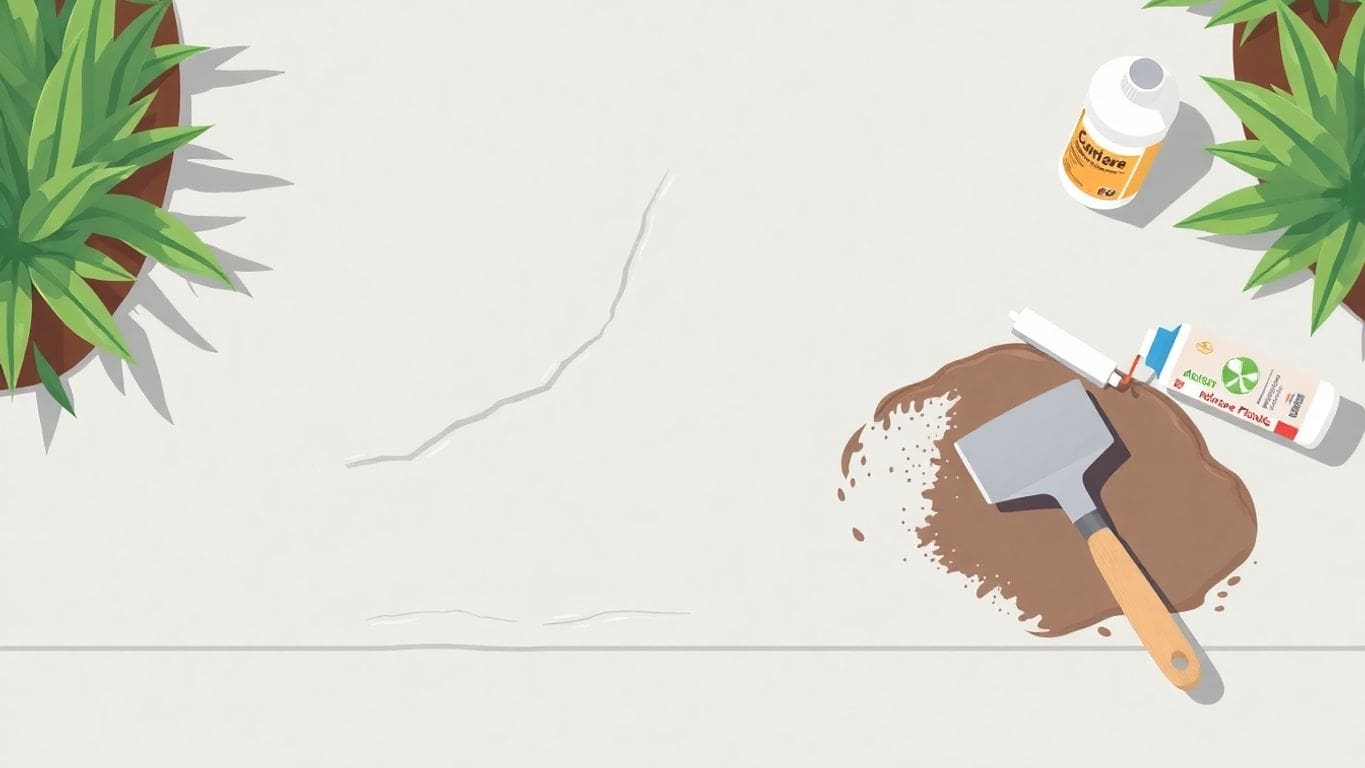
Taking care of your concrete surfaces regularly can really help them last longer. It’s like taking your car in for an oil change – a little effort now can save you big headaches later. Let’s look at some simple things you can do.
Even small cracks can let water in, and that water can freeze and expand, making the cracks bigger. Sealing cracks as soon as you see them is super important. You can use special concrete sealants from a hardware store. Just clean the crack, apply the sealant, and let it dry. It’s a simple fix that can prevent a lot of damage. Think of it like putting a bandage on a cut before it gets infected.
Check your concrete surfaces a few times a year. Look for new cracks, stains, or any other problems. The earlier you catch something, the easier it is to fix. It’s like going to the doctor for a check-up – you might catch something before it becomes a big deal. Pay special attention to areas that get a lot of water or heavy use. Regular concrete inspections help prevent deterioration.
Keeping your concrete clean can also help it last longer. Dirt and grime can trap moisture and chemicals that can damage the concrete. Here are some tips:
Regular cleaning not only keeps your concrete looking good but also helps prevent damage from dirt, salt, and other things that can break it down over time.
Here’s a simple cleaning schedule you can follow:
| Task | Frequency |
|---|---|
| Sweeping/Hosing | Weekly |
| Mild Soap Wash | Monthly |
| Pressure Washing | Annually |
By following these simple steps, you can help your concrete surfaces stay strong and look great for years to come.
Even with the best planning, cracks can still show up in concrete. Don’t worry! You can fix them. Knowing how to repair cracks the right way will keep your concrete strong and looking good for years to come.
First, you need to figure out what kind of crack you’re dealing with. Is it a small, hairline crack, or a bigger, more serious one? The type of crack will decide how you fix it. For small cracks, you might just need a sealant. Bigger cracks might need more work, like epoxy injection or using repair mortars. Here’s a quick guide:
| Crack Type | Repair Method | Notes |
|---|---|---|
| Hairline Cracks | Sealant | Easy to apply, good for small fixes. |
| Small Cracks | Epoxy Injection | Fills the crack and bonds concrete. |
| Large Cracks | Repair Mortar | Fills the crack and adds strength. |
| Structural Cracks | Professional Assessment Needed | Could mean bigger problems underneath. |
Sealants are like a flexible bandage for your concrete. They stop water from getting into the crack and making it worse. You can find sealants at any hardware store. Just clean the crack, put in the sealant, and smooth it out. Make sure to pick a sealant that’s made for concrete and can handle the weather in your area. Elastomeric sealants are a good choice because they can stretch and move a little without breaking. This is important because concrete moves with temperature changes.
For bigger cracks, you’ll need something stronger than sealant. That’s where repair mortars come in. These are like a concrete patch that you can use to fill in the crack. First, clean out the crack and wet it down. Then, mix the repair mortar according to the directions and pack it into the crack. Smooth it out and let it dry. Make sure to follow the instructions on the package, so it dries correctly.
Repairing concrete cracks isn’t just about looks. If you leave cracks alone, water can get in and freeze during the winter. When water freezes, it expands, making the crack bigger. Over time, this can really damage your concrete. Fixing cracks early can save you money and trouble in the long run.
It’s important to address cracks promptly with proper repair techniques to help maintain structural integrity.
Sometimes, even with the best planning, you might run into concrete problems that are hard to fix on your own. That’s when it’s a good idea to call in the pros. They have the experience and tools to handle tricky situations and make sure your concrete lasts.
Not every crack means you need to call a professional. But if you see big cracks, lots of small cracks all over, or if the concrete is sinking or shifting, it’s time to get some help. Also, if you’re not comfortable doing the work yourself, or if the project is really big, a pro can save you time and stress.
Professionals know concrete inside and out. They can help you pick the right type of concrete for your project, mix it properly, and make sure it’s installed correctly. This can prevent problems down the road and save you money in the long run. Plus, they often have warranties on their work, so you’re protected if something goes wrong.
Finding a good contractor is key. Ask friends and family for recommendations. Check online reviews and look for contractors with good ratings and lots of experience. Make sure they’re licensed and insured. Get quotes from a few different contractors before you make a decision. Don’t be afraid to ask questions and make sure you feel comfortable with their plan and their price. You can ask an expert to help you find the right contractor for your project.
Hiring a professional might seem expensive at first, but it can be worth it. They can help you avoid costly mistakes and make sure your concrete project is done right the first time.
To make your concrete last for years, you need a plan. It’s not just about what you do when you pour it, but also what you do afterward. Think of it like taking care of a car; you can’t just drive it and expect it to last without oil changes and check-ups. Concrete is the same way. Here’s how to keep your concrete strong and crack-free for a long time.
Think ahead! The best way to deal with cracks is to stop them from happening in the first place. This means using the right mix, curing it well, and making sure the ground underneath is solid. It also means protecting it from things that can damage it, like too much water or extreme heat. Here are some things you can do:
Keep an eye on the weather and other things around your concrete. Is it getting too much sun? Is water pooling up on it? These things can cause problems over time. You might need to add some shade or improve drainage to protect your concrete.
Make sure everyone who uses the concrete knows how to take care of it. This means telling them not to use harsh chemicals on it, not to drop heavy things on it, and to let you know if they see any problems. If people know how to treat concrete right, it will last much longer. I know it sounds simple, but it’s true!
Taking care of concrete is a team effort. By doing these things, you can help make sure your concrete stays strong and looks good for many years. It’s all about planning, watching, and teaching others to do the same.
Concrete can crack for several reasons, including too much water in the mix, not enough drying time, and using the wrong strength of concrete.
Not all cracks are serious. Some, like hairline cracks, are minor and can be fixed easily, while structural cracks can be more concerning.
To prevent cracks, use the right mix of materials, cure the concrete properly, and prepare the ground underneath well.
Yes, you can repair cracks using sealants or repair mortars, but it’s important to choose the right method for the type of crack.
Curing is the process of keeping the concrete moist after it’s poured. It’s important because it helps the concrete gain strength and reduces the chances of cracking.
It’s a good idea to inspect your concrete surfaces regularly, at least once a year, to catch any cracks early.
If you find a crack, clean it out and fill it with a suitable repair product to prevent it from getting worse.
If you notice large cracks or structural problems, it’s best to consult a professional to assess the situation and recommend repairs.

Business Owners: Join our insider newsletter for exclusive marketing strategies and growth opportunities for local services business.