Understanding the Health Risks of Water Damage: Protecting Your Home and Health
Water damage is more than just a pesky problem—it’s a serious threat to both your home and your health. From…



Ever wonder why those pesky roaches seem to pop up right after a leak or flood? It’s not just coincidence. Water damage creates the perfect environment for these critters to thrive. They love damp, dark places, and once they find a cozy spot, they invite all their friends. In this article, we’ll explore how water damage can lead to roach infestations and what you can do to keep them at bay.
Roaches are like little moisture magnets. They love damp places because it helps them survive and multiply. When water damage happens in your home, it creates wet spots that roaches find irresistible. These pests are drawn to moisture like moths to a flame. Whether it’s from a leaky pipe or a flood, the dampness gives them a perfect place to hide and find food.
You might not see roaches right away, but there are signs to watch for:
If you notice these signs, it’s time to take action before the problem gets worse.
Roaches thrive in damp environments because they need water to live. Water-damaged areas provide them with a constant source of moisture. They can hide in tiny cracks and crevices, staying out of sight. Plus, damp places often have more food sources for them, like mold or decaying matter. Keeping your home dry is key to keeping roaches away.
When water damage occurs, it’s like rolling out the red carpet for roaches. They find the dampness and darkness perfect for living and breeding. By fixing leaks and drying out wet areas quickly, you can make your home less inviting for these unwelcome guests.
Moisture isn’t just a nuisance; it’s a magnet for pests. Insects and rodents are drawn to damp places because they need water to survive. In fact, some pests even prefer humid environments because it helps them thrive. When your home has areas with excess moisture, it becomes an open invitation for these unwanted guests. They find it easier to move, feed, and breed in such conditions.
Many pests love moisture, including:
These pests can cause a range of problems, from spreading disease to damaging your property.
Keeping your home dry is key to avoiding pest issues. Here are some simple steps:
If you notice signs of pests, it’s important to act quickly. The longer you wait, the harder it becomes to control the infestation. Keeping your home dry can help keep pests at bay. But if the problem persists, consider reaching out for professional help.
For effective solutions, you might want to explore effective water damage restoration techniques to control humidity and moisture. This can prevent mold growth and make your home less attractive to pests.
Water damage can sneak up on you, often coming from unexpected places. Leaky pipes are a big culprit. You might not see them, but they can drip water into walls or under floors. Roof leaks are another common cause. Rainwater can find its way through tiny cracks or missing shingles. Even appliances like washing machines or dishwashers can leak, leading to water damage over time.
Spotting water damage early can save you a lot of trouble. Here are some signs to watch out for:
Water damage doesn’t just harm your home; it invites pests, too. Bugs like cockroaches and termites love damp places. They find water-damaged wood or soggy areas perfect for setting up home. Keeping your home dry is key to keeping these pests away. When water damage occurs, it creates moist environments that attract these unwanted guests. Fixing leaks and drying out wet areas can help keep pests at bay.
Remember, a dry home is a happy home. Regular checks for water damage can prevent both structural issues and pest infestations. Don’t wait until it’s too late—act quickly to fix any problems you find.
Roaches are notorious for thriving in damp places. When water damage occurs, it creates the perfect environment for these pests. They love dark, wet spots like under sinks or behind appliances. If you notice a sudden increase in roach activity, water damage might be the culprit. Roaches are not just a nuisance; they can also spread bacteria and trigger allergies.
Termites are more than just pesky insects; they’re destructive. They feast on wet wood, making water-damaged areas their ideal home. Once they find a spot, they can cause serious structural damage. If you spot mud tubes or hollow-sounding wood, it might be time to check for termites.
Besides roaches and termites, other pests like carpenter ants, mold mites, and drain flies are attracted to water-damaged areas. These bugs look for moisture to survive and multiply.
Water damage doesn’t just ruin your home; it invites unwanted guests. Keeping your home dry can help keep these pests away.
Leaky pipes can be sneaky troublemakers in your home. They might be hidden behind walls or under floors, making them hard to spot. But even a small leak can create a big problem. Excess moisture from these leaks is like a magnet for pests. Bugs like cockroaches and mold mites love damp spots. They can find these hidden leaks and settle in quickly.
When your plumbing has issues, it doesn’t just cause water damage. It invites pests to come and stay. Roaches, ants, and even spiders are drawn to the moisture from leaks. They find these damp areas perfect for living and breeding. If you’ve noticed more bugs around your home, it might be time to check your plumbing.
Stopping leaks is a smart way to keep pests away. Here’s how you can do it:
A little leak might seem harmless, but it can lead to big pest problems. Keeping your plumbing in good shape helps keep your home pest-free.
Humidity is more than just a sticky feeling in the air. It’s a key factor in how pests behave and where they choose to live. High humidity means more moisture, and many pests need moisture to survive. They love damp environments because it helps them stay hydrated and makes it easier for them to find food.
Some pests are especially happy when it’s humid. Cockroaches, for example, are always on the lookout for moist places. They can multiply quickly if they find a wet spot to call home. Termites, too, are drawn to damp wood, which they can easily chew through. Other pests that enjoy humidity include:
Want to keep pests away? Start by controlling the humidity in your home. Here are some simple steps:
Controlling humidity isn’t just about comfort. It’s about keeping your home pest-free and healthy. By managing moisture levels, you can make your home a less friendly place for pests to live and breed.
Remember, if you’re dealing with water damage, it’s best to get professional help. They have the tools and know-how to fix the problem and prevent future issues.
Roaches love damp spots. They need water to live, just like us. Keeping your home dry can help keep roaches away. Start by fixing any leaks in your home. Check under sinks, around toilets, and near your water heater. If you have a basement, consider using a dehumidifier to keep it dry.
Regular maintenance can stop moisture problems before they start. Here’s what you can do:
Sometimes, no matter what you do, moisture problems persist. If you’ve tried everything and still see roaches, it might be time to call in the pros. A pest control expert can help find hidden moisture spots and offer solutions. They can also create a personalized prevention plan for you to keep your home safe from water damage and pests.
Remember, controlling moisture is not just about getting rid of pests. It also protects your home from damage. A dry home is a happy home.
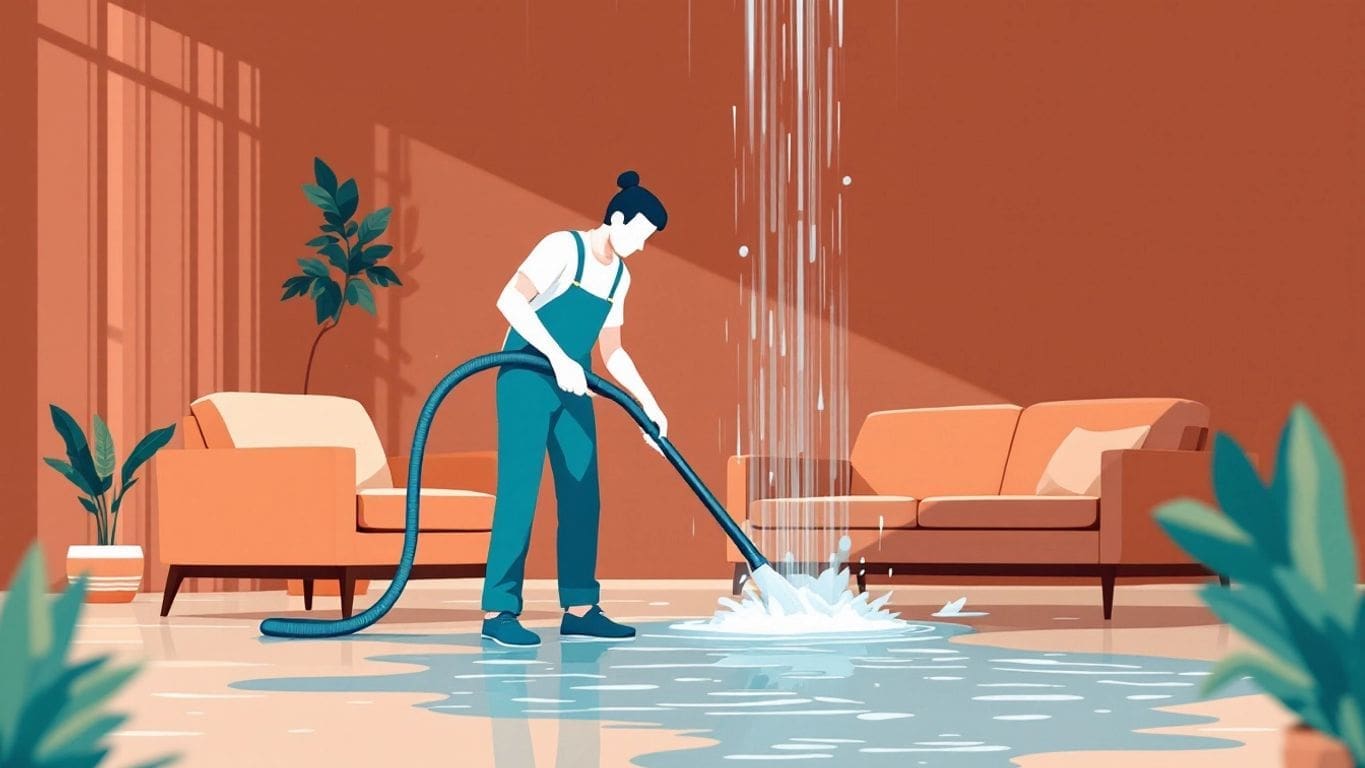
When you spot water damage, act fast. First, find out where the water is coming from. It might be a leaky pipe or a hidden plumbing problem. Stopping the water flow is crucial to prevent pests from moving in. Next, dry the area as quickly as you can. Use fans or dehumidifiers to get rid of moisture. Remember, bugs love damp places, so keeping things dry is key.
Once the immediate problem is fixed, think about long-term solutions. Regularly check for leaks, especially in places like under sinks or around appliances. Make sure to fix any leaks you find right away. It’s also smart to seal cracks and gaps around your home. This stops pests from sneaking in. You can also consider using pest barriers or traps in areas that are prone to moisture.
Sometimes, handling water damage and pests on your own isn’t enough. If you notice a lot of bugs or if the damage is severe, it’s time to call in the pros. Pest control experts have the right tools and know-how to tackle infestations. They can also help you find hidden water sources that might be causing problems.
Don’t wait too long to deal with water damage. The sooner you act, the less likely pests will make themselves at home.
Here’s a quick list to keep in mind:
By taking these steps, you can keep your home safe from both water damage and unwanted pests.
When water damage strikes, acting fast is key. The longer you wait, the worse it gets. Water can seep deeper into your walls and floors, causing more damage. It can also lead to mold, which is bad for your health. So, don’t delay.
Water can weaken the structure of your home. It can rot wood, rust metal, and ruin drywall. If you act quickly, you can stop this damage. Here’s what to do:
Water damage can lead to pest infestations. Pests like termites and cockroaches love damp places. If you fix the water damage fast, you can keep these pests away.
Quick action not only saves your home from further damage but also keeps it pest-free. A dry home is not inviting for pests.
In summary, acting quickly after water damage is crucial. Understanding water damage repair costs helps you budget effectively and ensures you make the right decision between DIY and professional help. Remember, a fast response can save you time, money, and headaches in the long run.
Did you know that even your home appliances can be sneaky sources of moisture? Washing machines, for instance, often have water lines that can leak or get loose. Air conditioners are another culprit. They can drip and leave damp spots if not properly maintained. Even your refrigerator can cause trouble with its drip pans and condensation coils.
Stopping leaks before they start is key. Regular checks can save you a lot of hassle. Here’s a simple list to follow:
Keeping an eye on your appliances is important. Set a schedule to check them every few months. If you spot any issues, fix them right away to avoid bigger problems later. Remember, a little effort now can prevent a lot of trouble down the road.
Appliances might seem harmless, but if ignored, they can lead to serious moisture problems. Stay vigilant and your home will thank you!
Pests love water, plain and simple. They need it to survive, just like us. But why do they swarm to your home when there’s water damage? Well, when you have leaks or standing water, it creates a cozy habitat for them. Bugs like cockroaches and silverfish are drawn to damp spots because they can’t live without moisture. They find these areas perfect for laying eggs and hiding from predators. So, if you spot these pests, it’s a sign you might have a water issue.
Different pests have their own ways of behaving around water. Cockroaches, for instance, can hold their breath for a long time, making them masters at invading pipes and drains. Silverfish, on the other hand, need lots of moisture to thrive. They usually hang out in basements or bathrooms where it’s damp. Earwigs also love moisture and often hide under wet leaves or in mulch. Understanding these patterns helps you know where to look for them.
Getting rid of these pests means cutting off their water supply. Here’s a simple list to help you:
To keep pests away, act fast when you spot water issues. The quicker you fix leaks and dry out wet areas, the less likely you’ll have a pest problem.
Don’t wait until it’s too late. If you need help, consider choosing the right water damage restoration company to get things back to normal.
Moisture bugs are insects like cockroaches and mold mites that are attracted to damp areas in homes.
Yes, water leaks can increase humidity and create damp environments that attract pests like cockroaches and termites.
They could be mold mites or springtails, which are small and thrive in wet conditions.
Fix any water leaks, keep your home dry, and regularly check for signs of pests.
Cockroaches need moisture to survive and are often found in wet areas like basements and under sinks.
Besides cockroaches, termites, mold mites, and some ants like carpenter ants are drawn to damp environments.
Use dehumidifiers, fix leaks promptly, and ensure proper ventilation to keep humidity levels low.
If you notice a persistent pest problem or signs of infestation, it’s best to call a professional for help.

Business Owners: Join our insider newsletter for exclusive marketing strategies and growth opportunities for local services business.