What Do You Do If Your Ceiling Has Water Damage? A Comprehensive Guide to Effective Solutions
Dealing with a water-damaged ceiling can be a real headache. Whether it’s a slow drip or a sudden leak, figuring…



Water damage can be a nightmare for homeowners. It creeps in silently, often unnoticed until it’s too late. Many people wonder, can home water damage fix itself? The truth is, while some minor issues might seem to resolve on their own, the risks of serious damage are real. Understanding the signs, taking immediate action, and knowing when to call for help is crucial in dealing with water damage effectively.
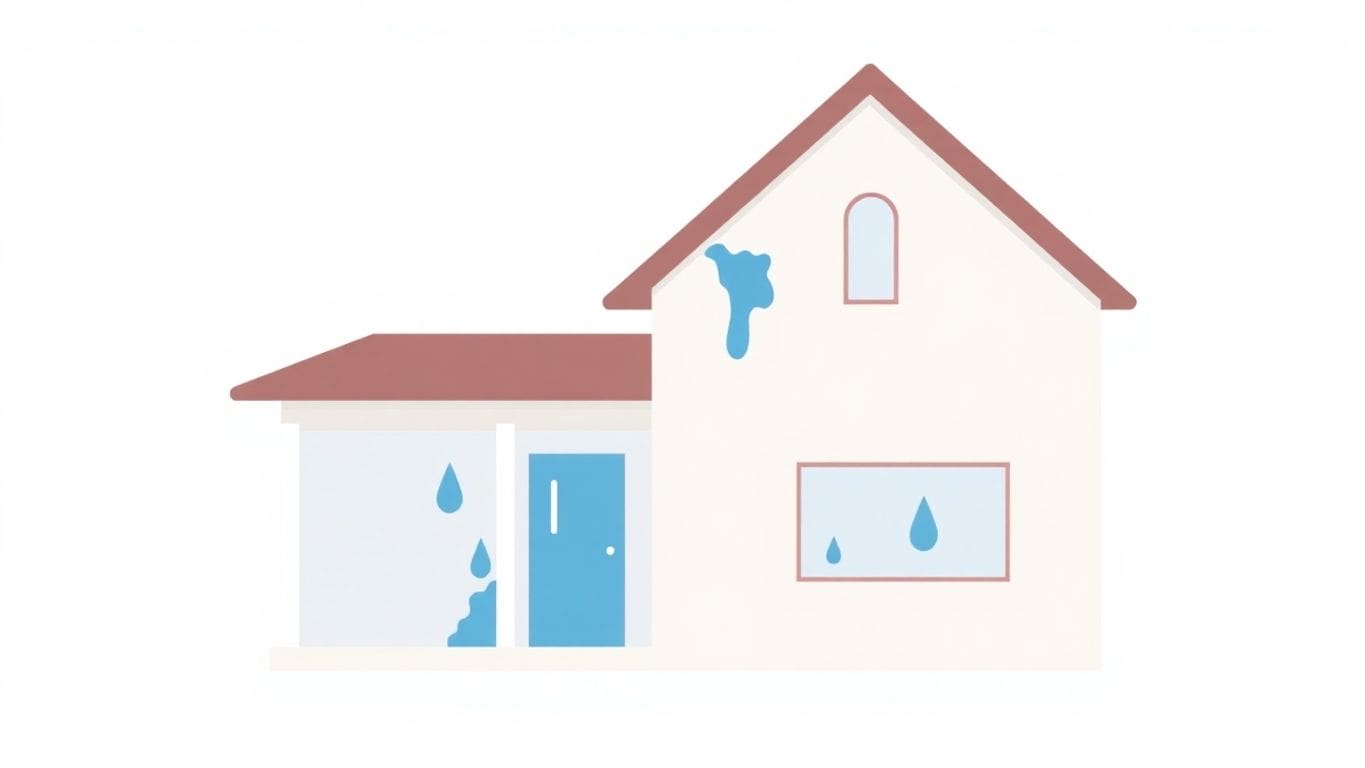
Water damage can be a real headache for homeowners. It’s important to know where it comes from, how weather plays a part, and what happens if you don’t deal with it quickly. Let’s break it down so you can protect your home.
Water damage can sneak into your home from many places. A common cause is leaky pipes. Even a small drip can cause big problems over time. Appliances like washing machines and dishwashers can also leak or overflow. Roof leaks are another big source, especially after heavy rain or snow. Don’t forget about your water heater; if it fails, it can release a lot of water quickly. Finding where the is water coming from is the first step to fixing the problem.
Weather can really do a number on your home. Heavy rain can overwhelm your gutters and lead to leaks. Snow and ice can melt and seep into your roof or foundation. Flooding is an obvious risk in some areas, but even seemingly small storms can cause problems. Strong winds can damage your roof, making it easier for water to get in. It’s important to prepare your home for different types of weather to prevent water damage.
Ignoring water damage is a bad idea. The longer you wait, the worse it gets. Mold can start growing within 24-48 hours, which can cause health problems. Water can also damage the structure of your home, like the walls, floors, and ceilings. This can be expensive to fix. Plus, water damage can ruin your belongings. It’s always best to deal with water damage as soon as you notice it. You may need a water damage restoration company to help.
Letting water damage sit can lead to bigger problems down the road. It’s not just about the immediate mess; it’s about the long-term health of your home and your family. Addressing it quickly can save you money and stress in the long run.
It’s tempting to think that a little water damage will just dry up and disappear, but that’s often not the case. Let’s look at whether water damage can fix itself and what to do about it.
Sometimes, small spills or leaks seem to vanish on their own. However, water can seep into hidden areas, causing problems you can’t see. Ignoring water damage is risky because it can lead to bigger issues later on.
Water damage doesn’t just stay the same; it usually gets worse over time. Here’s how:
Water damage can lead to serious problems if left untreated. It’s important to address it quickly to prevent further damage and health risks.
How do you know if the water damage is getting better or worse? Watch out for these signs:
If you notice any of these signs, it’s time to take action. Don’t wait for the problem to get worse. Contact a water damage restoration company to assess the situation and provide solutions.
It’s important to find water damage early. The sooner you spot it, the less damage it will cause. Here’s what to look for:
Look around your home for things that seem off. Water damage often leaves visible clues.
Check under sinks and around appliances regularly. These are common spots for leaks to start. Catching these problems early can save you a lot of trouble.
Sometimes, you might smell water damage before you see it. A musty or damp smell is a common sign. This smell often means mold is growing. Mold loves damp places, so if you smell it, there’s a good chance there’s water somewhere. Don’t ignore bad smells. They could be telling you something important about your home’s health. If you notice a persistent musty odor, investigate further, especially in basements, bathrooms, and laundry rooms. It’s better to be safe than sorry when it comes to water damage restoration.
Pay attention to the sounds in your home. Do you hear dripping when no one is using water? This could be a sign of a leak in your pipes. Running water sounds when everything is turned off can also mean trouble. Check your faucets and toilets to make sure they aren’t leaking. Even a small drip can cause big problems over time. If you hear something suspicious, try to find the source of the sound. It could lead you to a hidden leak before it causes major damage. Remember to document the damage for insurance purposes.
Water damage can be scary, but acting fast can save you a lot of trouble and money. Here’s what you should do right away.
Your safety is the most important thing. Water and electricity don’t mix, so be careful. Here’s what to do:
Remember, your health and safety come first. Don’t try to be a hero. If you’re not sure about something, call a professional.
Before you start cleaning up, take pictures and videos of the damage. This is important for your insurance claim. Here’s how to do it right:
Getting rid of the water quickly can help prevent further damage and mold growth. Here’s how to do it:
It’s a good idea to move your stuff to a dry place. Any furniture or other items should be moved to higher ground to prevent initial damage or further damage. Don’t forget to document the damage before you start moving things around. This will help with your insurance claim. Also, try to find out where the water is coming from to prevent further damage.
Sometimes, water damage is too big to handle on your own. That’s when professional restoration services come in. They have the tools and skills to fix the problem right and keep it from getting worse.
If you have a lot of water, or if you’re not sure what to do, call a pro. Here are some times when you should definitely get help:
When a restoration company comes to your home, here’s what they’ll likely do:
Getting your home back to normal after water damage can be a long process. Restoration companies work hard to make it as quick and easy as possible for you.
Picking the right company is important. You want someone who knows what they’re doing and will do a good job. Here’s what to look for:
It’s also a good idea to get a written estimate before they start any work. This way, you know how much it will cost. A quality company will employ certified technicians with real-world experience in the field. They can also help with filing a claim to make sure you receive fair compensation.
It’s important to know how your insurance can help if you have water damage. Dealing with water damage is stressful, and understanding your insurance can make things a little easier. Let’s look at what you need to know.
Your homeowner’s insurance might cover some types of water damage. Most policies cover sudden and accidental water damage, like from a burst pipe. However, it’s important to read your policy carefully. Examine the details to know what’s covered and what’s not.
It’s a good idea to call your insurance company and ask them to explain your policy. This way, you’ll know what to expect if you ever need to file a claim.
If you have water damage, file a claim as soon as possible. Here’s how to do it right:
Be honest and clear when you talk to the insurance company. The more information you give them, the smoother the process will be.
Not all water damage is covered. Here are some common things that insurance might not pay for:
It’s important to know these exclusions so you’re not surprised if your claim is denied. Consider getting flood insurance if you live in an area that’s prone to flooding.
It’s way better to stop water damage before it starts. You can do a lot to keep your home dry and safe. Let’s look at some easy ways to prevent water problems.
Taking care of your home can stop a lot of water damage. Here are some things you can do:
Regular maintenance is key. A little work now can save you a lot of money and stress later.
Weatherproofing your home means getting it ready for bad weather. Here’s how:
Your yard can help keep water away from your house. Here’s how:
By following these tips, you can help protect your home from water damage and keep it in good shape for years to come.
Water damage can cause problems that last long after the water is gone. It’s important to know about these long-term effects so you can take steps to prevent them.
Water can weaken the structure of your home over time. Wood can rot, and metal can rust. This can make your home unsafe. It’s important to check for these problems and fix them quickly.
Ignoring water damage can lead to costly repairs down the road. Addressing issues early can save you money and protect your home’s structure.
Mold loves damp places. Water damage can create the perfect environment for mold to grow. Mold can cause health problems, especially for people with allergies or asthma. If you see or smell mold, you need to take care of it right away. You might need to call a professional to handle water damage restoration.
Water damage can lower the value of your home. If you try to sell your home, buyers will notice signs of water damage. This can make it harder to sell your home, and you might have to lower the price. Disclosing any past water damage is important when selling.
| Factor | Impact |
|---|---|
| Structural Damage | Decreases value significantly |
| Mold | Raises health concerns, lowers value |
| Cosmetic Issues | Makes the home less appealing |
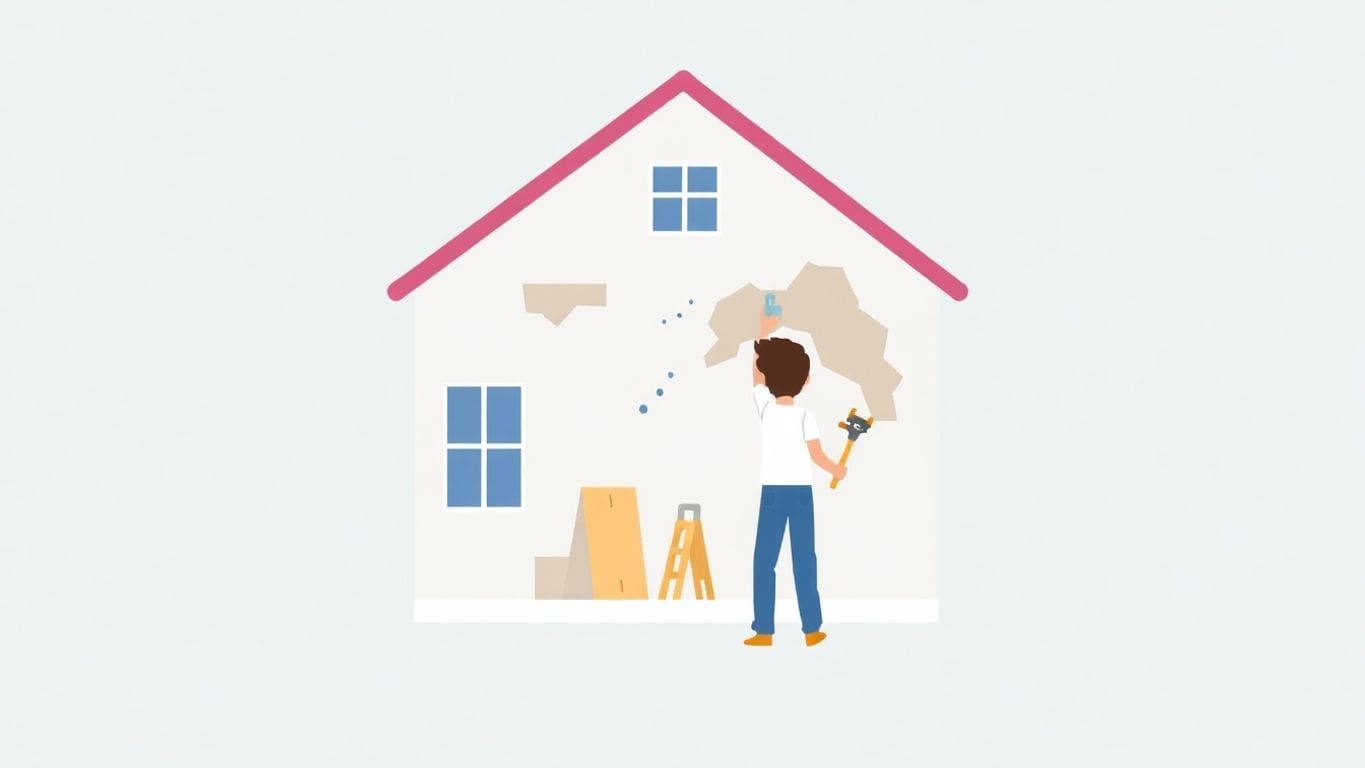
Sometimes, you can fix small water problems yourself. It can save you money and time. But, it’s important to know when you can handle it and when you need a pro. Let’s look at some ways you can tackle minor water damage.
Got a small leak? Maybe a dripping pipe or a bit of water around the sink? Here are some simple fixes you can try:
DIY is great for small problems. But, some water damage is too big to handle yourself. Here’s when you should call a professional:
Remember, your safety is the most important thing. If you’re not sure you can handle the water damage safely, call a professional. It’s better to be safe than sorry.
To fix minor water damage, you’ll need some basic tools and materials. Here’s a list to get you started:
Having these things on hand can help you prepare your home for small water problems. Regular checks around your home can help you spot problems early. This can save you from bigger, more expensive repairs later.
Water damage can be overwhelming. It’s good to know there are places you can turn to for help. You don’t have to go through it alone. Many local and national groups are ready to offer support and guidance.
Your community likely has services to help after water damage. Check with your city or county government. They often have emergency management offices that can point you in the right direction. These offices can connect you with flood restoration provider and local charities that offer assistance. Also, look for community centers or non-profits in your area. They might have programs to help with repairs or provide temporary housing.
The government offers programs to help people recover from disasters. FEMA, or the Federal Emergency Management Agency, is a big one. They can provide grants for home repairs if the damage was caused by a declared disaster. These grants can help you fix your home and replace damaged items. You can also check with the Small Business Administration (SBA). Believe it or not, they offer low-interest disaster loans to homeowners, even if you don’t own a business. These loans can be used for a variety of repairs and replacements.
Remember to document all damage and keep records of your expenses. This will help when applying for assistance.
Many non-profit groups are dedicated to helping people after disasters. The Red Cross is a well-known one. They provide immediate assistance like shelter, food, and water. Other groups, like Habitat for Humanity, may help with home repairs. They often have volunteers who can help clean up and rebuild. To find these organizations, search online for "disaster relief" or "water damage assistance" plus your city or state. Don’t hesitate to reach out; they are there to help you get back on your feet. Remember to clean and disinfect to prevent mold after emergency water clean up.
Here’s a quick list of steps to take:
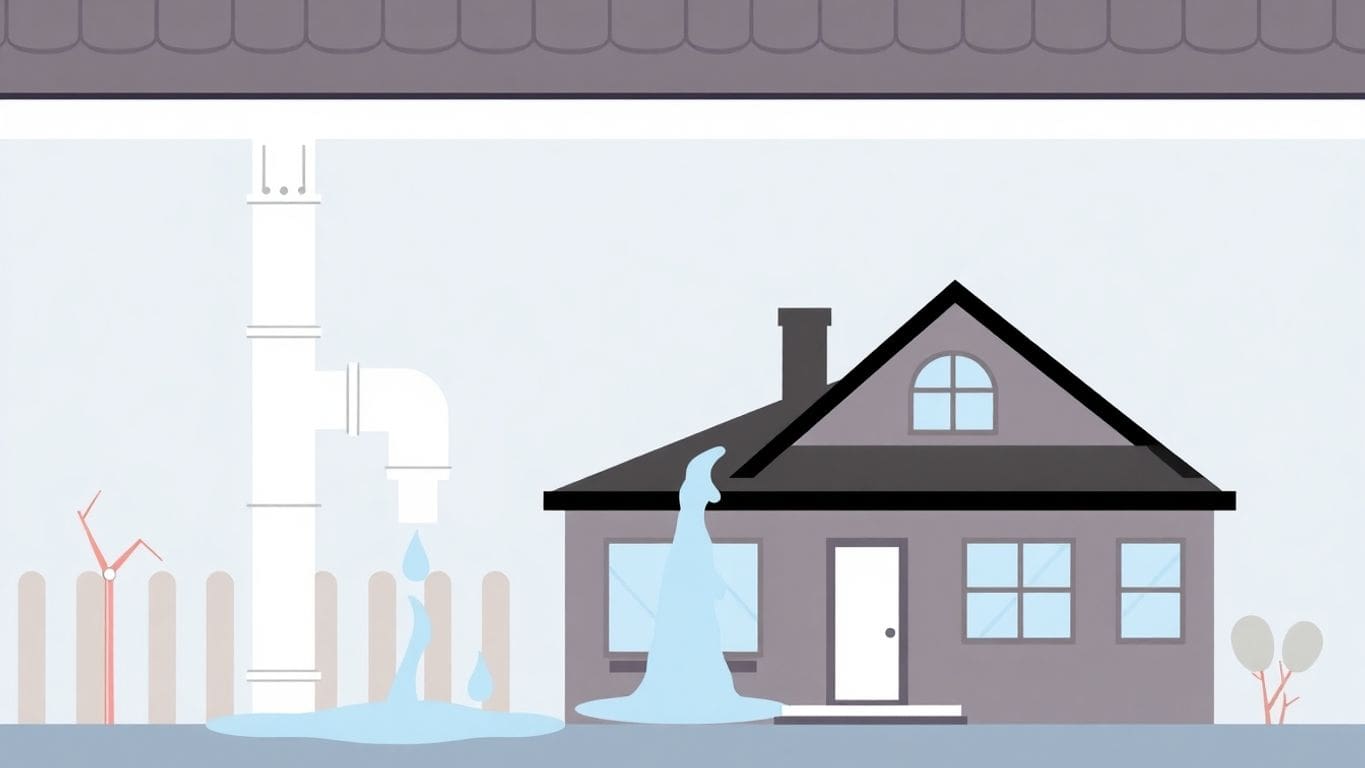
Water damage can be a real headache. It’s not just about mopping up water; it’s about making sure your home is safe and sound again. The restoration process can seem complicated, but breaking it down into steps makes it easier to understand. Let’s walk through what you can expect.
So, what happens when the pros come in? Here’s a quick rundown:
It’s important to remember that every situation is different. The exact steps and how long they take can vary depending on the type and extent of the damage.
How long does all this take? It depends. A small leak might only take a few days to fix. A major flood could take weeks or even months. Here are some things that affect the timeline:
The key is to be patient and let the professionals do their job. Rushing things can lead to problems down the road, like mold growth.
Okay, let’s talk money. Water damage restoration can be expensive. Here are some things that affect the cost:
It’s a good idea to get estimates from a few different companies before you choose one. And don’t forget to check with your insurance company to see what’s covered. Dealing with water damage is never fun, but understanding the restoration process can make it a little less stressful.
Home inspections are like check-ups for your house. They help find small problems before they become big, expensive headaches. Think of it as preventative care for your home. You wouldn’t skip your own doctor appointments, so don’t skip your home’s either!
How often should you get your home inspected? A good rule of thumb is every 3 to 5 years. However, if you live in an area with extreme weather or have an older home, you might want to do it more often. Also, consider an inspection before and after big storms. Regular inspections can save you money in the long run.
Home inspectors check a lot of things! They look at the roof, plumbing, electrical systems, foundation, and more. They’re trained to spot things that most homeowners might miss, like small leaks or early signs of structural issues. They’ll give you a detailed report of their findings.
Preventative maintenance is all about taking care of small issues before they turn into big ones. Regular inspections help you do this. By catching problems early, you can avoid costly repairs down the road. Plus, a well-maintained home is usually worth more if you ever decide to sell. Think of it as an investment in your home’s future. You can also get a plumbing inspection to make sure your pipes are in good shape.
Regular home inspections are a smart way to protect your investment and ensure your home is safe and sound. They provide peace of mind and can help you avoid unexpected expenses.
Water damage can come from leaky pipes, roof leaks, appliance failures, basement flooding, and even sewage backups.
No, water damage usually does not fix itself. It can get worse if not addressed quickly.
Look for water stains, peeling paint, musty odors, or sounds of dripping water.
First, ensure safety, then document the damage, and remove any standing water if possible.
You should call a professional if the damage is extensive or if you are unsure how to handle it.
Most insurance policies cover sudden water damage, like from a burst pipe, but flood damage usually needs a separate policy.
Regularly maintain your plumbing, weatherproof your home, and ensure proper drainage around your property.
Long-term effects can include structural damage, mold growth, and a decrease in property value.

Business Owners: Join our insider newsletter for exclusive marketing strategies and growth opportunities for local services business.