Is It Bad to Have Water in Your Basement? Understanding the Risks and Solutions
Ever walked into your basement and found a puddle of water? It’s not just annoying; it can be a sign…



Ever had a plumber over to fix something, only to end up with more trouble than you started with? Yeah, it happens. Sometimes, instead of fixing the problem, they leave you with water damage. It’s a mess, and you’re left wondering what to do next. From figuring out your rights to dealing with insurance, there’s a lot to handle. This guide will walk you through what to do when a plumber causes water damage in your home, so you can tackle the issue head-on.
When a plumber makes a mistake, it can lead to water damage. You might notice some signs around your house. Look for water stains on your walls or ceilings. These can be yellow or brown spots that appear suddenly. If your floors feel wet or soggy, that’s another sign. Walk around barefoot to feel any dampness. Check your windows for peeling paint or crumbling wood; water might be getting in.
Plumbers are supposed to fix things, but sometimes they mess up. Some common mistakes include not connecting pipes properly or rushing through a job. They might also install pipes the wrong way. If they don’t connect your dishwasher or washing machine correctly, it can lead to leaks.
Finding where the water is coming from is important. Start by checking under sinks and behind toilets with a flashlight. Look around appliances like dishwashers and washing machines for any drips or puddles. If you see a stain on the ceiling, it might be from a leak above. Check your attic or roof for any loose shingles or signs of water. If you can’t find the leak, it might be time to call a professional for help.
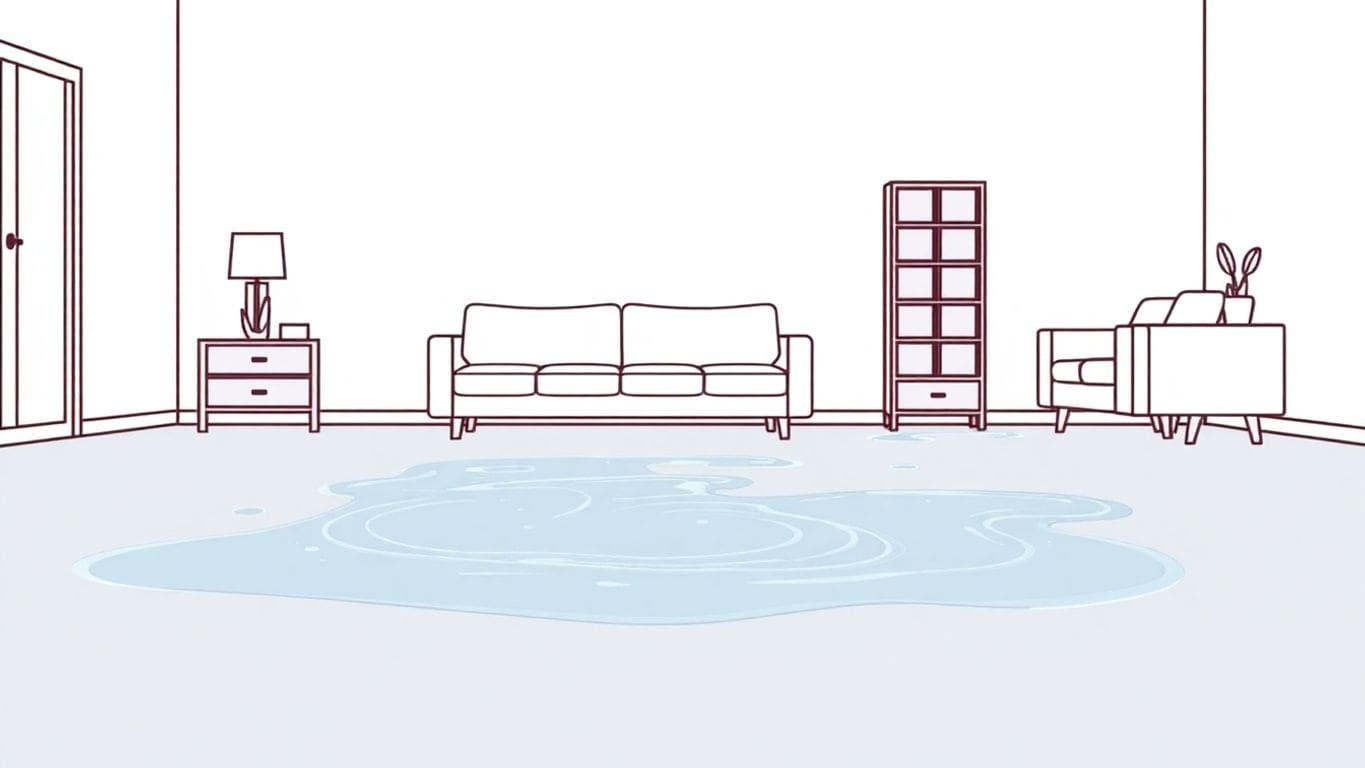
When you first notice water damage, the most important thing to do is turn off the water supply. This stops more water from causing further damage. Find the main water valve in your home and shut it off. This step is crucial to prevent the situation from getting worse.
Before you start cleaning up, take a moment to document the damage. Use your phone to snap pictures and record videos of the affected areas. This evidence will be valuable when dealing with your insurance company. Make sure you capture all angles, as this will help in understanding water damage repair costs and ensure you get the right coverage.
Reach out to the plumber who did the work. It’s important to give them a chance to fix their mistake. Explain the situation calmly and provide all the details. Sometimes, plumbers offer warranties on their work, so check if yours does. If they are responsible, they should help resolve the issue.
Taking quick action is key to minimizing damage. Don’t wait too long, as the longer water sits, the more harm it can cause.
Here’s a simple checklist to follow:
By following these steps, you can manage the situation effectively and reduce the potential for further issues.
When a plumber works on your home, they might offer a warranty. This is like a promise about their work. Check this warranty to see if it covers any damage they might cause. Sometimes, it might say they must fix any problems. Read it carefully to understand what they must do if something goes wrong.
Your home insurance might help if a plumber causes water damage. Look at your policy to see what it covers. It could pay for repairs or replacing damaged things. If you’re unsure, call your insurance company and ask them to explain it to you. They can tell you what’s covered and what’s not.
Sometimes, a plumber might say they’re not to blame for the damage. If this happens, you have choices. You can file a complaint with the licensing board that oversees plumbers. Another option is to talk to a lawyer who knows about plumbing issues. They can help you understand your rights and what you can do next.
It’s important to know your rights and responsibilities when dealing with water damage caused by a plumber. This knowledge can help you make informed decisions and protect your home.
When you find water damage in your home, the first thing to do is file a claim with your insurance company. Call them and let them know what’s happened. They might ask for details about the damage, so be ready to explain. It’s important to do this as soon as you can to avoid any delays.
You’ll need to gather some paperwork to support your claim. This might include photos of the damage, receipts for repairs, and any correspondence with the plumber. Make sure everything is clear and easy to understand. This will help the insurance adjuster see the extent of the damage and what you’ve done to fix it.
Take a close look at your insurance policy to know what it covers. Some policies might cover water damage but not floods. If you’re unsure, call your insurance agent for help. Knowing what’s covered will help you avoid surprises later. You might also want to read about the differences between water damage and flood damage to understand your coverage better.
Working with your insurance company can feel overwhelming, but staying organized and informed makes it easier. Keep track of all your communications and documents, and don’t hesitate to ask questions if you’re unsure about something.
If you spot water damage at home, it’s time to call in the pros. Don’t wait too long—water can cause more damage the longer it sits. Look for signs like wet walls, soggy carpets, or a musty smell. These are clues that water might be hiding where you can’t see it. If you find any of these, reach out to a water damage restoration company right away.
Finding the right company is super important. You want folks who know what they’re doing. Here’s a quick checklist:
Once you hire a company, they’ll get to work fast. They’ll start by removing water, then drying everything out. After that, they clean and fix any damage. They might use big fans and dehumidifiers to help dry things up.
Having professionals handle the mess means you can relax a bit. They have all the tools and know-how to get your home back to normal.
Keeping your plumbing in good shape can save you from a lot of headaches. Start by checking for leaks under sinks and around appliances. Look for any wet spots or discoloration. If you spot a small leak, fix it right away. Regularly clean your drains to avoid clogs. You should also have a plumber inspect your system once a year. This can help catch problems early.
Water leak detectors are a smart investment. These gadgets can alert you to leaks before they become big problems. Some can even shut off the water automatically. Place them near water heaters, washing machines, and under sinks. They can save you a ton of money by catching leaks early.
When you need plumbing work done, hire a pro. Make sure they are licensed and insured. Ask friends or family for recommendations. Check online reviews too. Hiring the right plumber can make a big difference. It’s better to spend a bit more on a good plumber than to pay for water damage later.
Taking care of your plumbing system is like taking care of your car. Regular check-ups and a little attention can go a long way in preventing big issues. Don’t wait for a disaster to strike before you act.
If a plumber messes up and causes water damage, you might need to file a complaint. Start by contacting the plumber directly. Give them a chance to fix the issue. If they don’t respond or refuse to help, you can file a complaint with the state’s licensing board. This board checks if plumbers are following the rules.
Sometimes, talking to a lawyer is a good idea. A lawyer can help you understand your rights and options. They know the law and can guide you on what to do next. If the plumber denies responsibility, a lawyer can help you decide if you should take them to court.
A public adjuster can help with insurance claims. They work for you, not the insurance company. They make sure you get the right amount of money for the damage. Public adjusters know how to deal with insurance companies and can help you get a fair settlement.
Remember, it’s important to act fast. The sooner you address the damage, the better chance you have of getting it fixed without more trouble.
Finding a good plumber might seem tricky, but it doesn’t have to be. Start by checking their credentials. A licensed plumber means they have the right training and are approved to do the job. It’s like having a driver’s license; it shows they’re qualified.
Next, take a look at reviews. People love to share their experiences online. Reading reviews can give you a good idea if the plumber does a great job or if they leave a mess behind. Trustworthy reviews can save you a lot of headaches.
Before you hire a plumber, ask them a few questions. This helps you know what to expect. Here are some questions you might consider:
These questions help you understand the plumber’s experience and what they promise to deliver.
Accidents can happen, even with the best plumbers. That’s why it’s important to check if they have liability insurance. This insurance means if something goes wrong, like water damage, the costs are covered. It protects you from paying for mistakes that aren’t your fault.
Choosing the right plumber is more than just picking a name from a list. It’s about ensuring they have the skills, the reputation, and the coverage to handle the job right. Take your time to make the best choice.
When water damage strikes, your first question might be, "Is this covered by my homeowners insurance?" The answer isn’t always straightforward. Most standard homeowners insurance policies cover sudden and accidental water damage. This means if a pipe bursts or your washing machine overflows, you’re likely covered. However, damage from neglect or lack of maintenance usually isn’t covered. It’s important to understand the specifics of your policy to avoid surprises.
Keeping your insurance up-to-date is crucial. Review your policy annually to ensure it matches your needs. If you’ve made home improvements or purchased expensive items, you might need more coverage. Talk to your insurance agent about adding extra protection, like flood insurance, which is often not included in standard policies.
Dealing with insurance adjusters can feel overwhelming, especially after a stressful event like water damage. They assess the damage and determine how much the insurance will pay. Be honest and thorough in your communication. Document everything with photos and notes. If you feel your claim isn’t being handled fairly, you might consider hiring a public adjuster.
Water damage can be a homeowner’s nightmare, but understanding your insurance policy can make the recovery process smoother. Stay informed and proactive to protect your home and finances.
If you’re ever caught in a situation where water damage occurs, remember to prioritize safety first. Document the damage for potential claims, and consider using dehumidifiers to prevent mold. It’s also wise to hire reputable contractors for repairs to ensure quality work and proper insurance coverage.
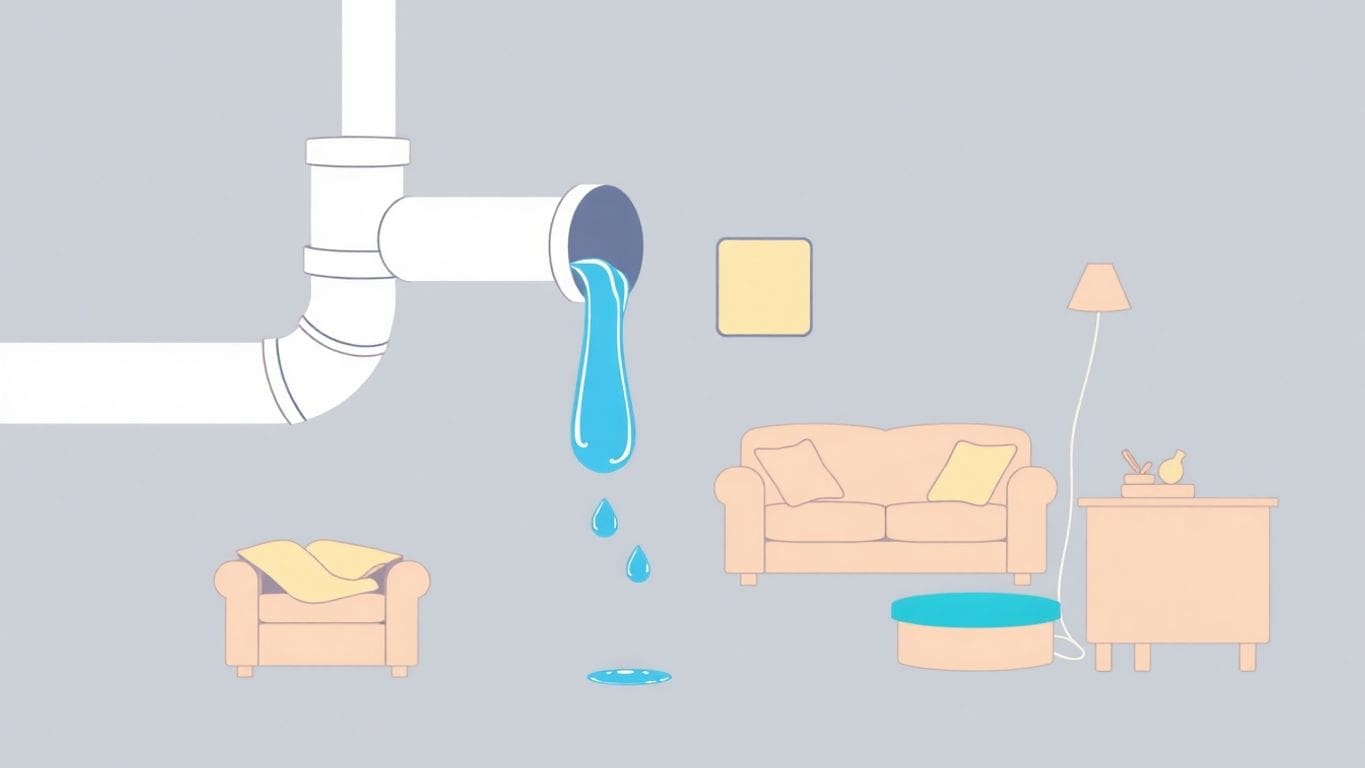
Sometimes, plumbers might not install pipes correctly. This can lead to leaks and water damage. If pipes aren’t fitted tightly or they’re not the right size, water can seep out. This can cause serious problems in your home. It’s important to check that your plumber uses the right materials and follows the correct procedures.
When plumbers install appliances like dishwashers or washing machines, they need to connect them properly. If they don’t, water can leak out and cause damage. It’s crucial to ensure that all connections are tight and secure. Otherwise, you might end up with a flooded kitchen or laundry room.
Sometimes, plumbers might hurry through a job to get it done quickly. When this happens, they might miss important steps. This can lead to water leaks and damage. It’s better to have a job done right than fast. Make sure your plumber takes their time and checks their work.
Water damage can be a big headache. It can ruin your floors, walls, and even furniture. Always make sure to hire a reliable plumber to avoid these issues.
When a plumber won’t own up to their mistake, the first thing you should do is keep track of all your conversations. Write down dates, times, and what was said. Save any emails or text messages. This record will be important if you need to take further action.
Sometimes, talking things out with a neutral third party can help. Mediation is a way to try to solve the problem without going to court. You can find mediators who specialize in disputes like this. They help both sides reach an agreement.
If mediation doesn’t work, you might think about small claims court. Here, you can present your case without needing a lawyer. It’s for smaller amounts of money, so check the limit in your area. Make sure you have all your documentation ready, like photos of the damage and your communication records.
Sometimes, dealing with these issues feels overwhelming, but taking the right steps can make a big difference in resolving the problem.
If you’re dealing with water damage, recognizing the signs of water damage early is key. Look for things like mold or standing water. Regular checks and maintenance can prevent these problems from happening again.
First, turn off the water supply to prevent more damage. Then, document everything by taking pictures and notes. Contact the plumber and your insurance company as soon as possible.
Look for signs like wet spots, stains on walls or ceilings, or standing water near plumbing fixtures. If these appear after a plumbing job, the plumber might be responsible.
If the plumber is at fault, they or their insurance should cover the repairs. Check their warranty and talk to your insurance company to understand who will pay for what.
If the plumber denies responsibility, gather all your documentation and consider mediation or legal action. You can also file a complaint with the licensing board.
Provide your insurance company with all necessary documentation, including photos and repair estimates. Ask them to explain what your policy covers and follow their instructions for filing a claim.
Yes, regular maintenance checks and installing water leak detectors can help. Always hire licensed and insured plumbers to reduce risks.
Call a professional if the water damage is extensive or if you’re unsure about handling it yourself. They have the tools and expertise to safely restore your home.
Ask about their experience, if they are licensed and insured, and if they offer warranties on their work. Checking reviews and asking for references can also help.

Business Owners: Join our insider newsletter for exclusive marketing strategies and growth opportunities for local services business.