
Who to Call for Ceiling Water Damage: Your Complete Guide to Restoration Services
Water damage in ceilings can be a serious issue that requires immediate attention. Understanding who to call for ceiling water…



Ever wondered if water damage could be inviting termites into your home? It’s a question many homeowners find themselves asking. When wood gets wet, it becomes a beacon for these pesky critters. They thrive in moist environments, making water-damaged areas a prime spot for them to settle. Let’s dive into how water damage might be the culprit behind your termite troubles.
Ever wonder why termites seem to love your home? Well, it’s all about moisture. Termites are drawn to damp places like a magnet. They need water to survive, just like us. When your home has leaks or high humidity, it becomes a termite paradise. These pests can smell moisture from far away, and they’ll make a beeline for it.
Water-damaged wood is like candy to termites. When wood gets wet, it softens and becomes easier for termites to chew through. This makes your home a prime target if you have any leaky pipes or a roof that lets in rain. It’s like setting out a buffet for these little critters. Keeping your wood dry and fixing leaks quickly can help keep them at bay.
Termites love damp spots because they provide the perfect conditions for living and breeding. In wet areas, termites can build their colonies without drying out. They prefer environments with humidity levels above 50%. This is why controlling moisture in your home is so important. Using dehumidifiers and ensuring proper ventilation can help keep these pests away.
Keeping your home dry and well-ventilated is key to preventing termite infestations. Moisture is their best friend, but it doesn’t have to be yours.
Water damage can sneak up on you, often hiding in places you don’t regularly check. Recognizing the signs early can save you a lot of trouble. Look for these common indicators:
Certain spots in your home are more likely to suffer from water damage. Keep an eye on these vulnerable areas:
Preventing water damage is all about being proactive. Here are some steps to keep your home safe:
Taking quick action when you first notice signs of water damage is crucial. It can prevent minor issues from turning into major headaches. Remember, a little maintenance goes a long way in keeping your home dry and safe.
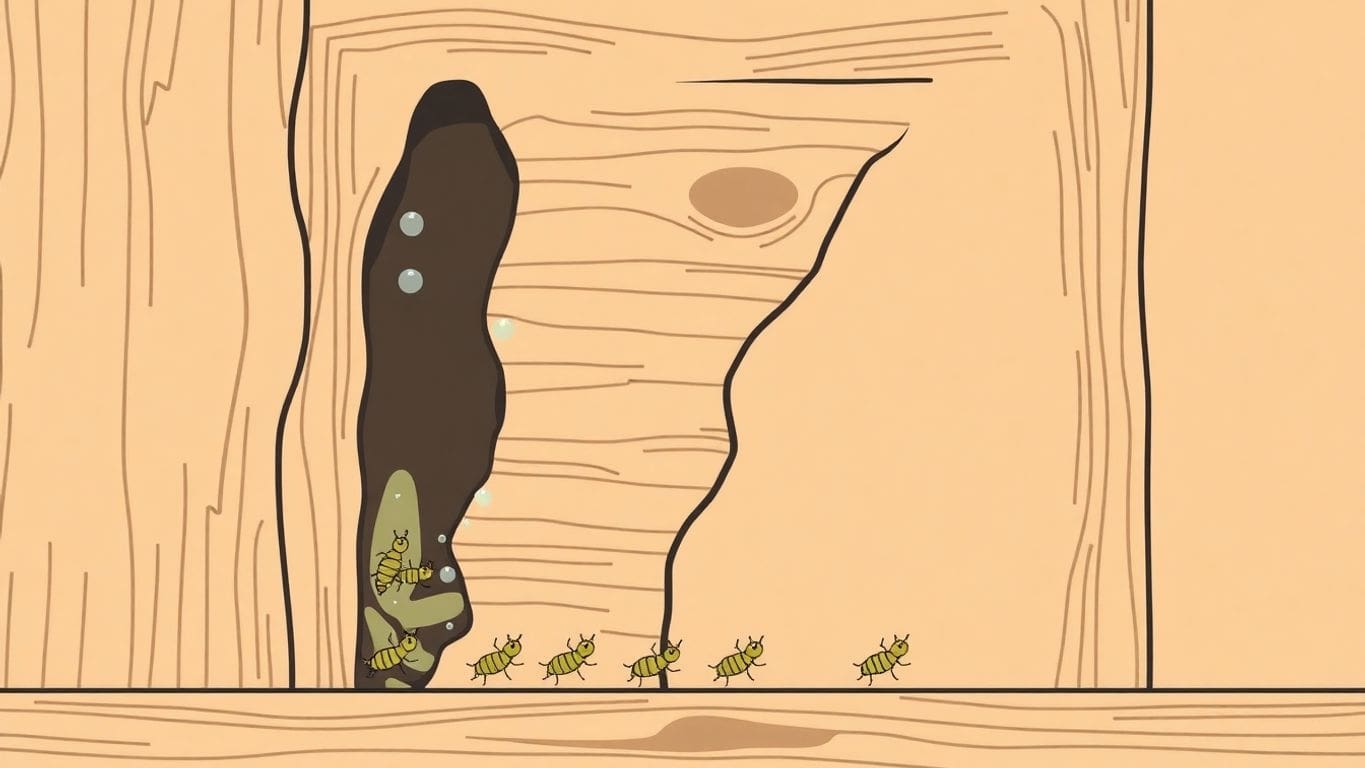
Termites are sneaky little critters. They can slip into your home through the tiniest cracks and gaps. These cracks might be in your foundation, walls, or even around windows and doors. Termites love these small openings because they lead them straight to the wood inside your home. Once inside, they can cause a lot of damage before you even notice them.
To keep termites out, check your home regularly for any cracks or gaps. Fill them with caulk or another sealant to block their path. This simple step can make a big difference in keeping your home termite-free.
A leaky roof is more than just a nuisance. It can be a direct invitation for termites to move in. When your roof leaks, water seeps into your home, creating a damp environment that termites find irresistible. Subterranean termites, in particular, thrive in moist conditions.
To prevent this, inspect your roof regularly. Look for missing shingles or cracks and fix them promptly. Keeping your roof in good shape helps keep the rest of your home dry and less appealing to termites.
Poor drainage around your home can lead to water pooling near your foundation. This is bad news because termites love moist soil. They use it as a highway to get into your home.
Here are some steps to improve drainage:
By improving drainage, you make it harder for termites to find their way into your home. Keeping your foundation dry is key to preventing infestations.
Termites love moisture. They thrive in places with high humidity. Keeping humidity low in your home is key to preventing termite infestations. Termites are most active when the humidity is above 50%. If you live in a humid area, it’s important to keep an eye on the moisture levels inside your home.
Dehumidifiers can be your best friend in the fight against termites. They help reduce the moisture in the air, making your home less appealing to these pests. Here’s how you can use dehumidifiers effectively:
Keeping an eye on your home’s humidity levels is crucial. You can use a hygrometer for this task. It’s a simple tool that tells you how moist the air is. Aim to keep your indoor humidity below 50%. This not only helps in keeping termites at bay but also prevents mold and mildew. Regularly check areas prone to moisture, such as bathrooms and kitchens, to ensure they stay dry.
Maintaining a dry home environment is essential to prevent termite invasions. Simple steps like using dehumidifiers and monitoring humidity can make a big difference in keeping your home safe.
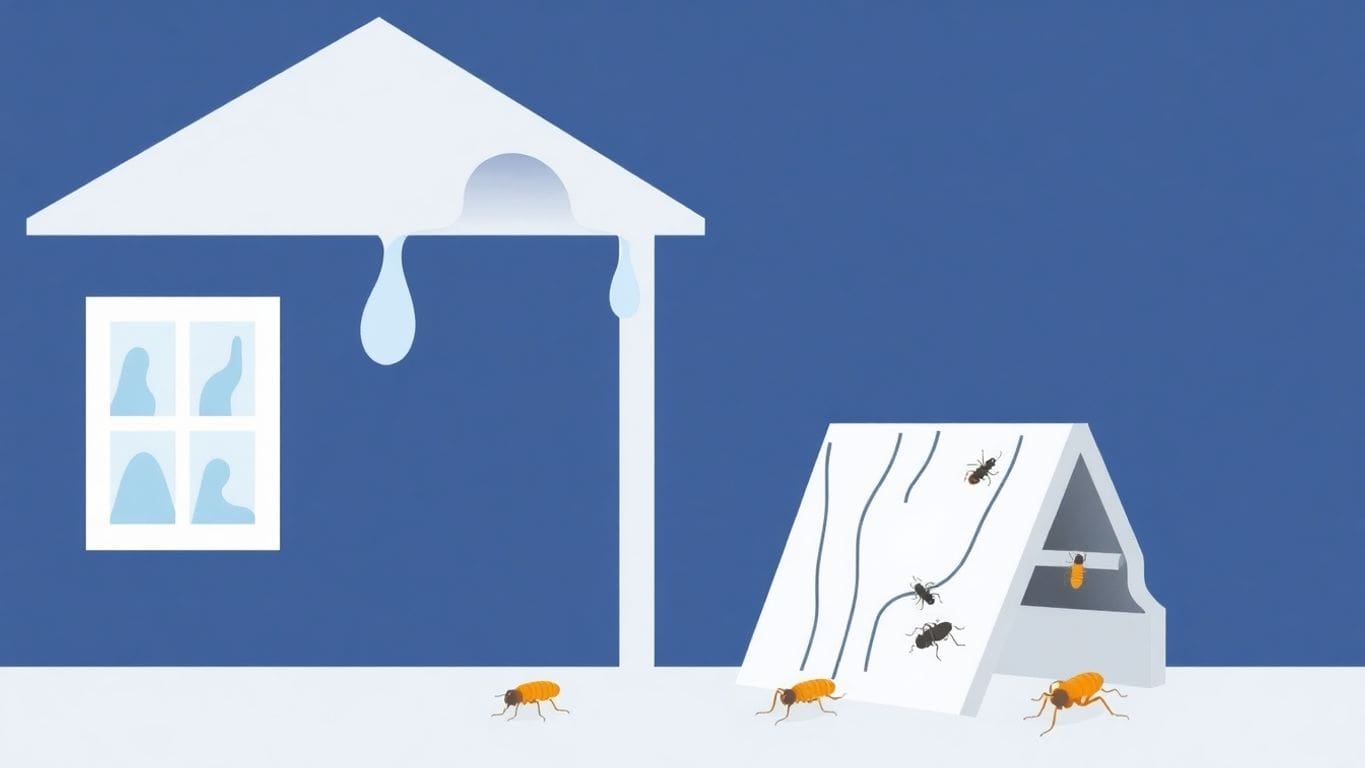
Water leaks are like an open invitation for termites. They love damp places. If you spot a leak, fix it right away. Don’t wait until it gets worse. Check under sinks, around your washing machine, and near your water heater. A small drip can turn into a big problem if ignored.
Good airflow keeps your home dry and less attractive to termites. Use exhaust fans in bathrooms and kitchens. Open windows when the weather is nice. You might also consider installing vents in damp areas like basements or crawl spaces. This helps keep moisture levels down.
You should check your home for termites at least once a year. Look for mud tubes, hollow-sounding wood, or tiny wings near windows. If you’re not sure what to look for, hire a professional. They know where termites like to hide and can spot signs you might miss.
Keeping your home dry and well-ventilated is key to preventing termite problems. Small actions today can save you a lot of trouble tomorrow.
Mulch is great for your garden, but it can be a magnet for termites if it’s too close to your home. Aim to keep mulch at least six inches away from your home’s foundation. This distance helps prevent moisture from building up against your house, which can attract termites. It’s also a good idea to check your mulch regularly for signs of termites, like mud tubes or droppings.
Trees and shrubs are lovely, but they can also be a highway for termites if they’re too close to your home. Keep branches trimmed back so they don’t touch your house. This simple step helps prevent termites from finding an easy path to your home. Also, avoid stacking firewood near your house, as it can be a food source for termites.
Good drainage around your home is essential to keep termites away. If water pools near your foundation, it can create a damp environment that termites love. Make sure your yard slopes away from your house to help water drain properly. Regular checks and maintenance can ensure that your drainage system is working well.
Keeping your landscape in check isn’t just good for curb appeal; it’s crucial for keeping termites at bay. By maintaining a clear area around your home and ensuring proper drainage, you can significantly reduce the risk of termite infestations.
Regular termite inspections are a must for keeping your home safe. Termites can cause serious damage if they’re not caught early. By checking for termites regularly, you can avoid costly repairs and keep your home in good shape.
When you have a termite inspection, a professional will look for signs of termites. They check for things like mud tubes, damaged wood, and termite droppings. They might use special tools to see inside walls and other hard-to-reach places. The inspector will then tell you if they find any problems and what you can do about them.
You should have your home inspected for termites at least once a year. If you live in a place where termites are common, you might need inspections more often. A regular schedule helps catch any issues early before they become big problems.
Picking the right inspector is important. Look for someone with good reviews and the right licenses. They should know all about termites and how to find them. Ask friends or neighbors for recommendations if you’re not sure who to hire.
Regular inspections can save you from a lot of trouble and expense. Catching termite issues early means you can fix them before they get worse. It’s a small step that makes a big difference in keeping your home safe.
Taking care of small repairs around your home can make a big difference in keeping moisture levels down. Fixing leaks quickly is one of the most important steps. Check your pipes, faucets, and even your roof for any signs of leaks. A little drip might not seem like a big deal, but over time it can cause a lot of moisture buildup.
You should also look at your home’s ventilation. Make sure places like your attic and basement have good airflow. Installing vents or using fans can help. This will keep the air moving and reduce dampness.
There are natural ways to keep termites away too. Some plants, like mint and marigolds, can help deter pests. Plant these around your house to create a natural barrier.
Another trick is using essential oils. Certain oils, like orange and neem oil, are known to repel termites. You can mix a few drops with water and spray it around areas where termites might enter.
Sometimes, despite your best efforts, you might still have a moisture problem. This is when you should think about calling in a professional. They can spot issues you might miss and give advice on how to fix them.
It’s better to get help early than to deal with bigger problems later. Professionals have the tools and knowledge to handle things safely and effectively.
If you notice signs of termites or can’t find the source of moisture, don’t wait. Reach out to an expert to protect your home from further damage. Remember, taking action now can save you a lot of trouble and money down the road.
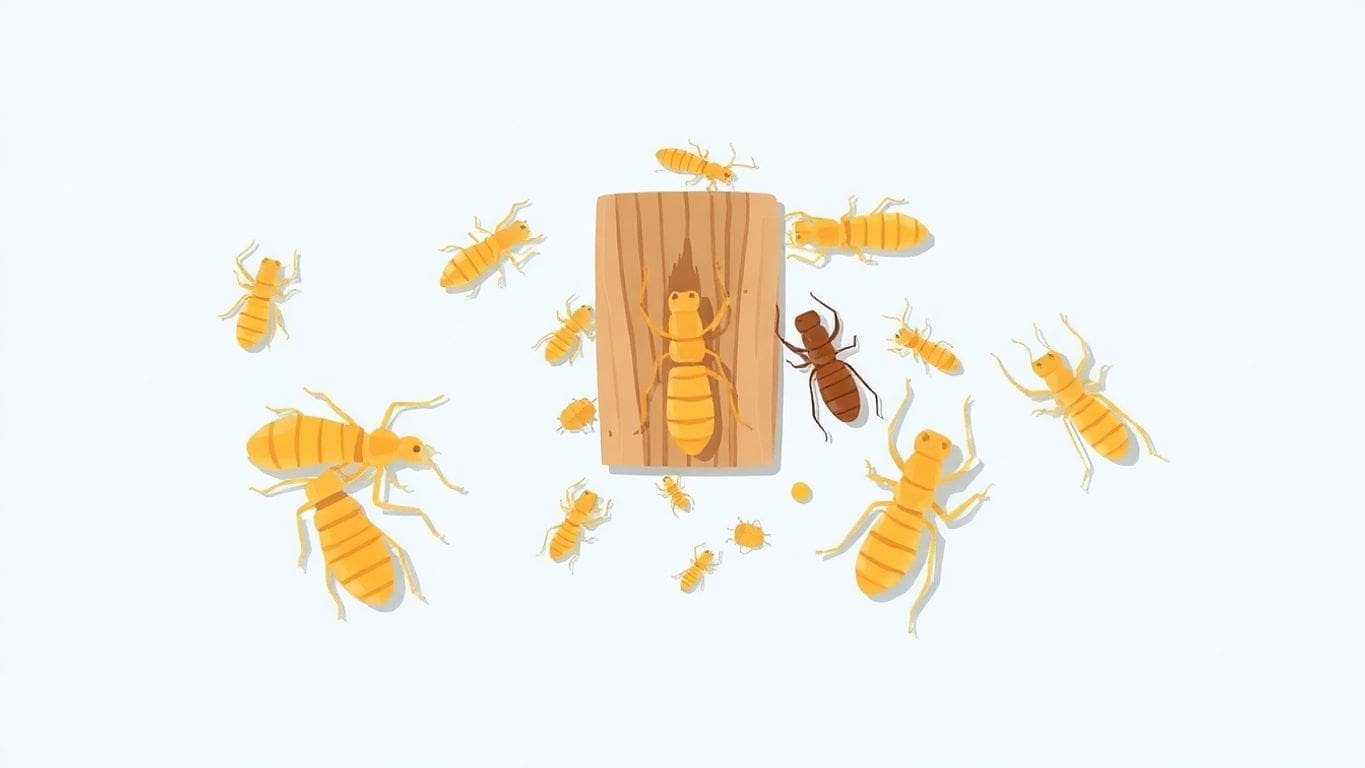
There are many types of termites, but dampwood and subterranean termites are two of the most common. Dampwood termites love moist wood. They usually hang out in wet and rotting wood, like old tree stumps or water-damaged areas in your home. On the other hand, subterranean termites build their homes underground. They make tunnels in the soil to reach wood above ground. These guys need moisture, so they often stick to areas with damp soil.
Termites are like little wood-eating machines. They chew through wood to get the cellulose inside, which is their main food. Moisture makes wood softer and easier for termites to munch on. That’s why water-damaged wood is such a big attraction for them. When wood gets wet, it breaks down faster, making it a perfect snack for termites.
Knowing what type of termites are in your area can help you protect your home. Here’s a quick list of what to look for:
It’s important to know that different termites have different needs. Understanding what attracts them can help you keep them away from your home.
If you’re worried about termites, think about getting a professional inspection. Experts can spot signs of termites before they become a big problem. For more insights on water damage restoration, check out expert tips to keep your home safe.
Water damage can be sneaky. It starts small, often with a tiny leak. But over time, it can turn into a big problem. Termites love damp wood, and they can cause serious damage to your home’s structure. If you ignore water damage, you might find your floors sagging or your walls cracking. It’s not just about looks; it’s about safety too.
Fixing termite damage isn’t cheap. You might need to spend a lot on repairs. The cost of ignoring water damage can grow quickly. You might have to replace wood, fix walls, or even rebuild parts of your home. It’s a lot more expensive than fixing a small leak or getting rid of termites early.
Your home is an investment. Water damage and termites can lower its value. When you try to sell, buyers might be scared off by signs of damage. Even if you fix everything, the history of problems can still affect the price. Keeping your home in good shape helps maintain its worth.
Termites are drawn to moisture, wood, and cellulose materials. High humidity or water leaks make your home especially appealing. Mulch and wooden items near the foundation can also invite termites.
Look for signs like mud tubes, discarded wings, or wood that sounds hollow. You might also see damaged wood or droppings that look like sawdust. If you suspect termites, call a pest control expert.
Yes, all termites can damage wood structures. Subterranean termites are the most destructive, while drywood termites mostly affect furniture and structural wood. It’s important to deal with any type quickly.
Yes! Regular upkeep is key. Keep wood away from soil, fix leaks, and make sure water drains properly. Using termite-resistant materials in building can also lower risks a lot.
Yes, where you live matters. Warmer places usually have more termites. Areas with high humidity also make great homes for termites.
You should check your home for termites at least once a year. If you live in a high-risk area, think about checking more often to catch problems early.
Act fast if you find termites. Call a licensed pest control expert right away to check the situation and start treatment. Early action can save your home from big damage.
No, termites don’t spread through clothes. They mainly stick to wood and other materials they can munch on.

Business Owners: Join our insider newsletter for exclusive marketing strategies and growth opportunities for local services business.